Agriculture›
Apparel and fashion accessories›
Construction & real estate›💡Electronic & Electrical›🍎Food & Beverages›🛋️Home furnishing & supplies›⚗️Industrial goods & chemical›🪨Minerals & metals›📦Miscellaneous›
Agriculture›
Apparel and fashion accessories›
Construction & real estate›💡Electronic & Electrical›🍎Food & Beverages›🛋️Home furnishing & supplies›⚗️Industrial goods & chemical›🪨Minerals & metals›📦Miscellaneous›

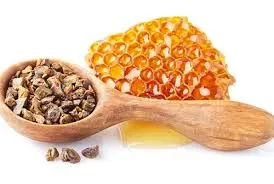
Bee propolis extract is a resinous substance collected by honeybees from tree buds, sap flows and botanical sources, then metabolised with bee enzymes and wax. Soupin Jean Stephane offers this product as a concentrated extract in multiple formats for nutraceutical and cosmetic formulation. The supplier sources raw propolis from managed apiaries across France, with extraction carried out to concentrate the bioactive flavonoid and phenolic fractions that define commercial value. Standard product forms include liquid tinctures in propylene glycol or ethanol carriers, and spray-dried powders with standardised carrier substrates. Typical flavonoid content ranges from 2% to 10% by weight depending on concentration grade, though buyers should request the certificate of analysis for each batch to confirm galangin, quercetin and pinocembrin levels.
The raw material originates from Fagus sylvatica, Quercus and Populus species typical of temperate European forests, with harvest timing during spring and autumn peak collection periods. French propolis is characteristically dark brown to greenish-brown with a distinctive aromatic profile; the specific botanical source influences the chemical composition significantly. Extraction methods vary between ethanol maceration, aqueous extraction and supercritical CO2 processes,VO each yielding different purity and solvent residue profiles. The supplier indicates organic sourcing claims; buyers should verify organic certification status and batch-specific pesticide and heavy metal test results. Typical contaminants to screen include lead, cadmium and mercury, with EU Regulation 1881/2006 setting maximum levels for food supplements.
Primary applications span dietary supplement capsules and tablets, functional food fortification, natural cosmetic preservative systems and veterinary health products. The antimicrobial and antioxidant properties drive demand from manufacturers of immune support formulations, oral care products and skin repair creams. French origin carries regulatory advantages for EU distribution through mutual recognition of food supplement legislation. Buyers should confirm with Soupin Jean Stephane the specific extraction solvent, standardisation method, residual solvent limits and stability data. Packaging options typically include aluminium drums, HDPE containers or vacuum-sealed pouches with nitrogen flushing for oxidation-sensitive batches.
| Raw Material Source | French managed apiaries, mixed botanical origin (Fagus, Quercus, Populus typical) |
| Product Form | Liquid extract or spray-dried powder (supplier-confirmed options) |
| Carrier Solvent (Liquid Grade) | Ethanol, propylene glycol or aqueous (confirm with supplier) |
| Typical Flavonoid Content | 2% to 10% by weight, standard grade (typical industry range) |
| Characteristic Colour | Dark brown to greenish-brown (typical for temperate European propolis) |
| Key Bioactive Markers | Galangin, quercetin, pinocembrin, caffeic acid phenethyl ester (CAPE) (standard analytical targets) |
| Typical Packaging | Aluminium-lined drums, HDPE containers, or nitrogen-flushed pouches (standard for extracts) |
| Regulatory Framework | EU Food Supplement Directive 2002/46/EC, Regulation 1881/2006 for contaminants (applicable standard) |
| Moisture Content (Powder) | Less than 5% typical for spray-dried botanical extracts (standard specification) |
| Shelf Stability | 24 months when stored sealed, below 25 degrees C, away from light (typical for propolis extracts) |
Soupin Jean Stephane operates as a France-based supplier of bee-derived natural products, listed with imported supplier tier and harbor trust classification. The company profile indicates sourcing from managed apiaries and processing of propolis into extract forms suitable for B2B ingredient supply. No response rate data or average response time is recorded in the available profile information, which suggests buyers should allow additional time for initial contact and follow-up communication. The supplier markets its propolis for nutraceutical, cosmetic and health food applications, positioning within the natural ingredients supply chain rather than finished goods manufacturing.
The listing provides limited verified company detail beyond product focus and origin country. Buyers should request business registration documents, organic certification copies and quality management system evidence directly from the supplier. The harbor trust tier indicates basic platform verification; this does not substitute for buyer-conducted due diligence on production facilities, extraction capabilities and batch testing protocols. No manufacturing facility address, production capacity figures or key personnel information is stated in the source data. French regulatory compliance for food supplement ingredients should be confirmed through supplier-provided documentation of adherence to EU health and safety standards.
| Business Type | Supplier |
| Year Established | Recently Joined |
| Employees | Contact Supplier |
| Annual Revenue | Contact Supplier |
| Main Products | View Products Tab |
| Major Markets | Global |
| Response Time | <4h |
| Response Rate | New Supplier |
Before placing an order, verify Soupin Jean Stephane's business registration with the French Registre du Commerce et des Societes, confirm organic certification authenticity with the named control body, and request sample material for independent laboratory analysis of flavonoid content, heavy metals and pesticide residues. Ask for customer references from existing nutraceutical or cosmetic manufacturers, and clarify whether the supplier operates as a broker, distributor or direct manufacturer with extraction capabilities. Review the certificate of insurance and product liability coverage, particularly for food supplement ingredient supply.
Confirm logistics arrangements including preferred French export port, standard container loading for liquid versus powder propolis, and temperature-controlled shipping requirements if applicable. Lead times typically range from two to six weeks for stock items and eight to twelve weeks for custom concentration or extraction solvent specifications, though exact timelines must be confirmed with the supplier. Negotiate Incoterms carefully; FCA from a French logistics hub may suit European buyers, while CIP or DAP terms could reduce transit risk for overseas importers. Payment terms should align with transaction value and relationship history, with documentary credit advisable for initial orders.
Upon receipt, inspect packaging integrity for vacuum seal or nitrogen flush compliance, check batch coding against supplied certificates of analysis, and retain samples for retesting. Conduct identity confirmation by thin-layer chromatography or HPLC fingerprint comparison against reference standards. Monitor moisture content in powder grades and visual colour change in liquid extracts as stability indicators. Documentation required includes commercial invoice, packing list, certificate of origin, phytosanitary certificate where applicable, and full analytical certificate chain. Retain all records for regulatory defence and traceability requirements under EU food law.
Active buying requirements from importers looking for Similar products
Compare alternatives, find similar products and connect with verified suppliers
Securing a reliable supply chain for Bee Propolis Extracts is critical for maintaining your business operations. Soupin Jean Stephane, a verified supplier located in France, provides high-quality Bee Propolis Extracts ready for international export. By connecting directly with this supplier, buyers can bypass intermediaries, negotiate custom wholesale pricing, and arrange bulk shipments. This product is a key offering within the Immunity Booster Supplements industry, catering to distributors, wholesalers, and importers worldwide.
Navigating the complexities of global sourcing is easier when you have direct access to the right manufacturers and exporters. When importing Bee Propolis Extracts from France, buyers can discuss shipping logistics, packaging requirements, and preferred payment terms directly with Soupin Jean Stephane. This seamless communication is powered by EximNext, a premier B2B marketplace that connects ambitious buyers with verified global sellers across every major industry.
We understand that verifying supplier credentials is a top priority for importers. Soupin Jean Stephane is part of our extensive network of vetted international exporters. Browse more products in the Immunity Booster Supplements category or discover new suppliers across the Immunity Booster Supplements sector. Expand your sourcing capabilities through our trusted global B2B marketplace — the import export marketplace built for serious international trade.
When importing Bee Propolis Extracts from France, buyers should consider shipping terms (FOB, CIF, EXW), customs documentation requirements, and payment security. Contact the supplier to discuss the best logistics options for your destination country.
Click the "Request Quotation" button to contact Soupin Jean Stephane directly. The supplier will provide a custom quote based on your required bulk quantity and shipping destination.
Yes, Soupin Jean Stephane provides Bee Propolis Extracts for bulk export from France. You can negotiate the MOQ, packaging details, and shipping terms directly with the supplier.
Shipping terms such as FOB, CIF, or EXW can be negotiated directly with Soupin Jean Stephane. Contact the supplier to discuss the best logistics options for importing Bee Propolis Extracts to your country.
Send a direct message to Soupin Jean Stephane through our platform to request a product sample before committing to a large wholesale order.
Soupin Jean Stephane is a registered and verified supplier on EximNext. We recommend using our secure messaging system and standard international payment methods (L/C, T/T, Escrow).
Request a detailed product data sheet including grade, purity, dimensions, material composition, and applicable industry standards from Soupin Jean Stephane.
Many suppliers on EximNext, including Soupin Jean Stephane, offer custom packaging and private label options for bulk wholesale orders.
Common payment methods include Letter of Credit (L/C), Telegraphic Transfer (T/T), Documents against Payment (D/P), and Escrow services.
Yes, EximNext hosts a wide network of verified Immunity Booster Supplements manufacturers, exporters, and wholesalers across 200+ countries.
Click "Request Quotation" or "Contact Supplier" on this page. Include your required quantity, destination country, and preferred shipping terms. All communications are managed securely through our B2B marketplace.
Discover more products in Immunity Booster Supplements from verified suppliers worldwide.