Zibo Kunyang Ceramic Co., Ltd., — Supplier
About Zibo Kunyang Ceramic Co., Ltd. - Ceramic Mugs Supplier in China
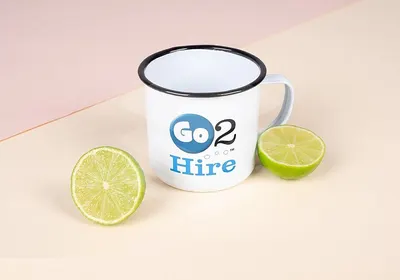
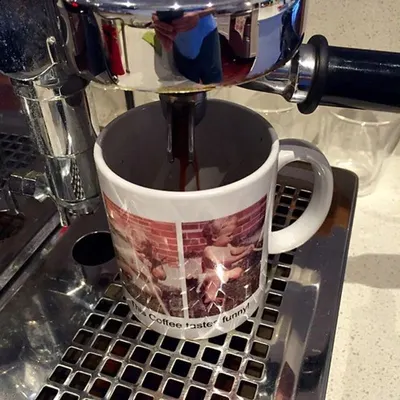
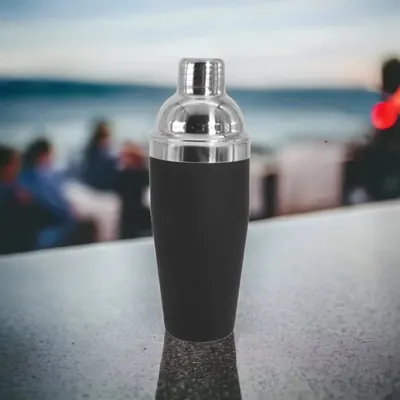
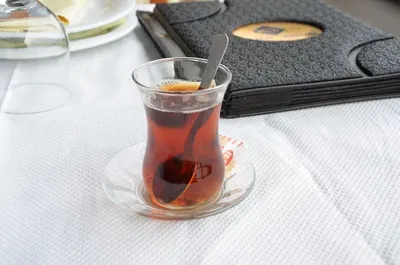
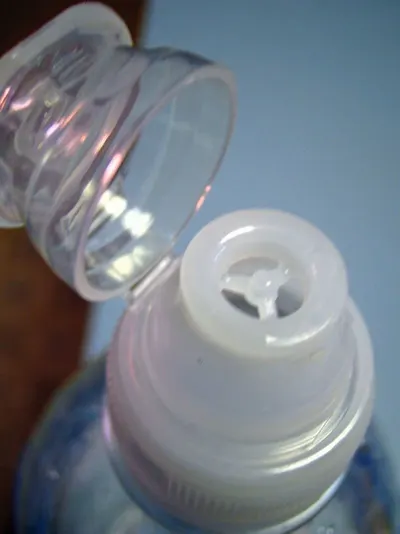
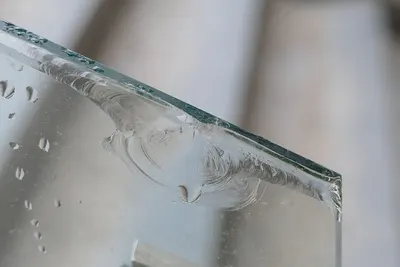
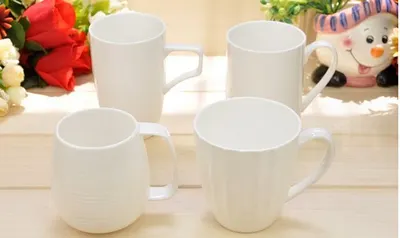
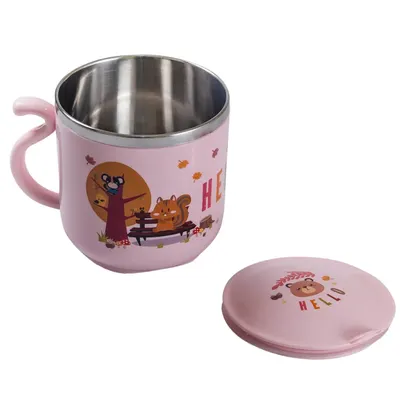
China‑based Zibo Kunyang Ceramic Co., Ltd. lists fifteen distinct product SKUs across four core categories: ceramic mugs, stainless‑steel utensils, glassware and plastic bottles with sealings. The catalogue includes white and coloured sublimation mugs ranging from 11 oz to 16 oz, cryogenic spray‑finished mugs, a stainless‑steel vacuum cup, straight‑up glass vessels, and a detachable sports water bottle. In international trade these groups fall under typical HS‑code chapters such as 6912 for ceramic tableware, 7323 for stainless‑steel tableware, 7010 for glassware and 3923 for PET or HDPE bottles. Buyers often source these items for promotional, retail or hospitality applications, and the product mix reflects common export volumes from Chinese manufacturers.
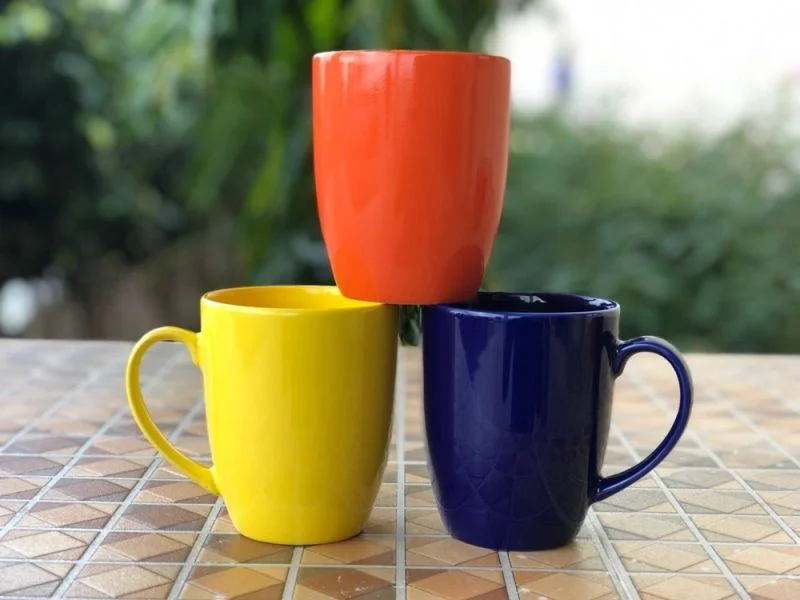
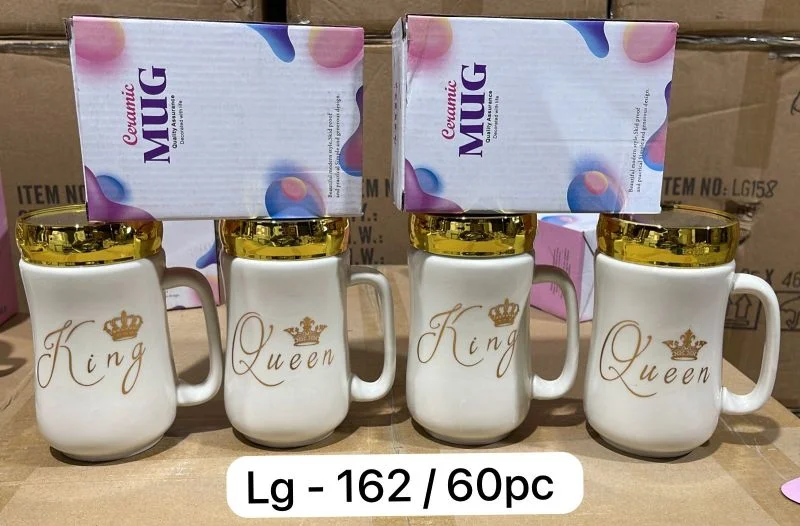
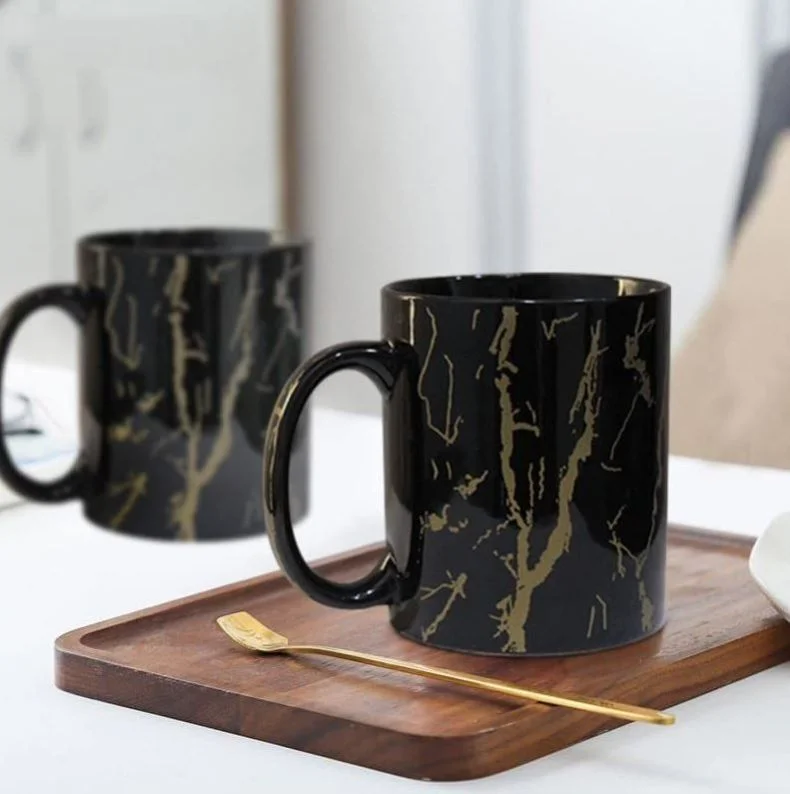
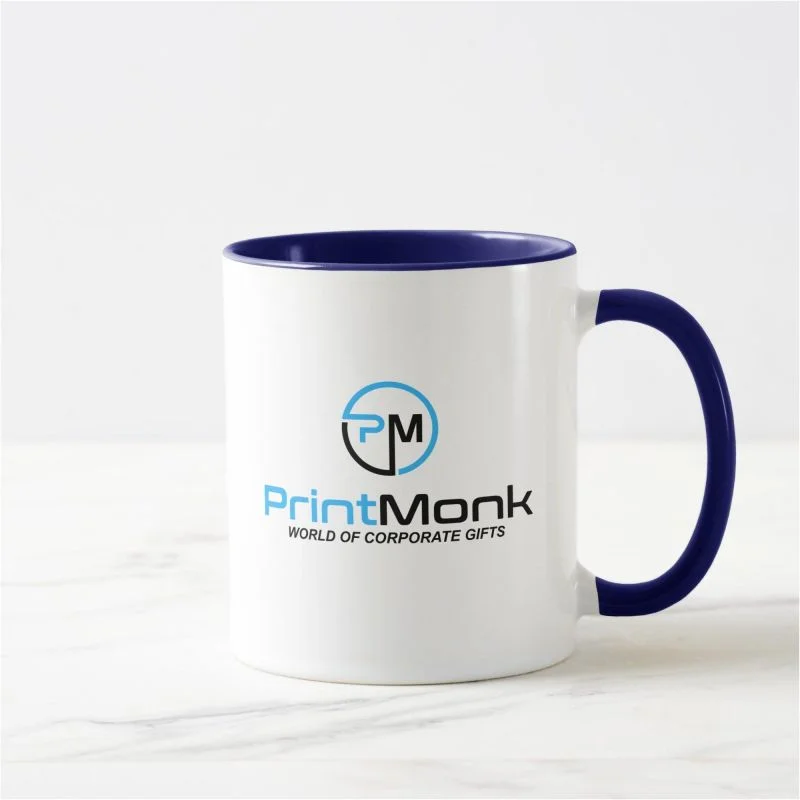
The listed items comprise specific models such as the Sm1015‑full White Sublimation Mug‑15oz, Color Handle Sublimation Mug‑12oz, Sm7102‑solid Color Cryogenic Spray Mug‑11oz, Bullet Stainless Steel Vacuum Cup and Portable Glass Mug‑0.30 l. Additional entries include a gradient‑color cryogenic spray mug, a sanded low‑temperature spraying cup and a customized gift lettering logo option. Each SKU is positioned for customization or branding, indicating suitability for bulk orders with imprinting requirements.
Product Range and Specialties of Zibo Kunyang Ceramic Co., Ltd.
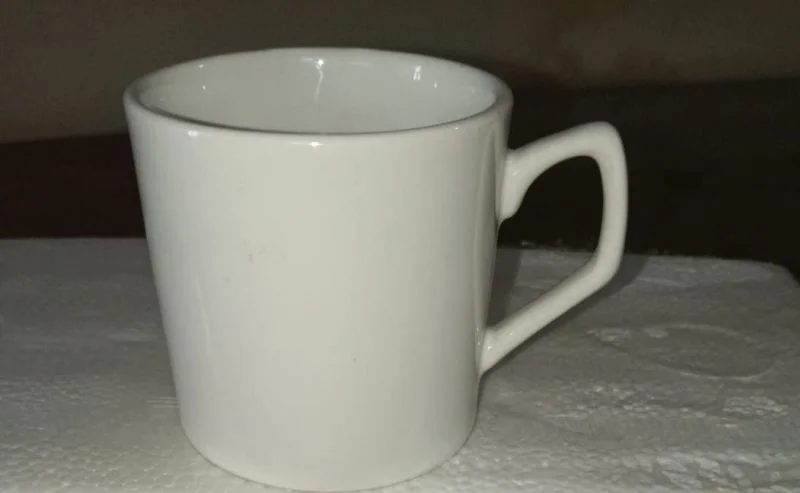
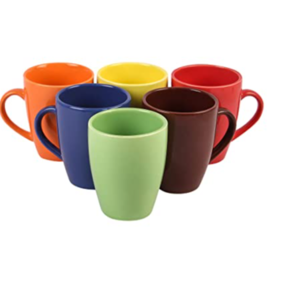
The ceramic mug line follows industry standards for food‑contact ceramics, typically using a 18‑20 mm wall thickness, lead‑free glaze and a sublimation‑ready surface that can accept full‑colour prints. Colour‑handle variants add polymer‑based grips that meet FDA‑type II food‑contact criteria. Cryogenic spray mugs are often finished with low‑temperature sprayed coatings that provide resistance to thermal shock, a feature valued in specialty beverage service.
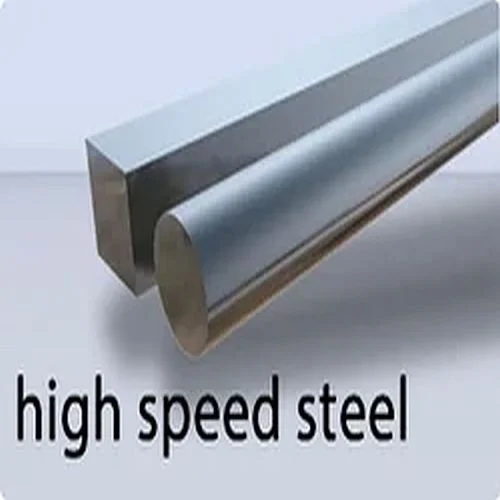
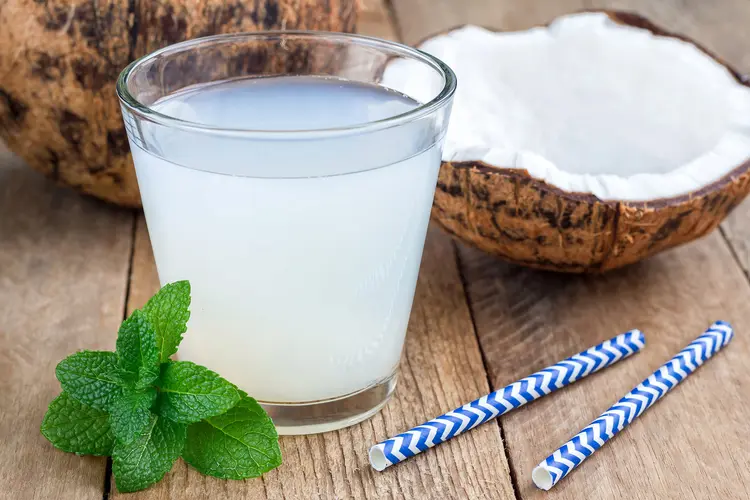
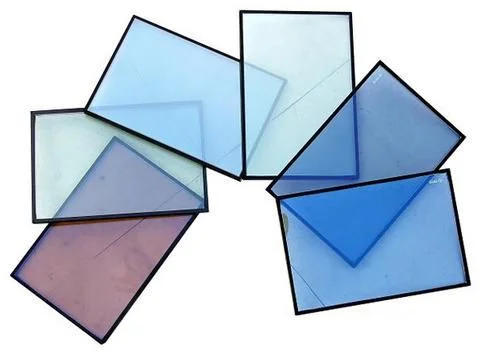
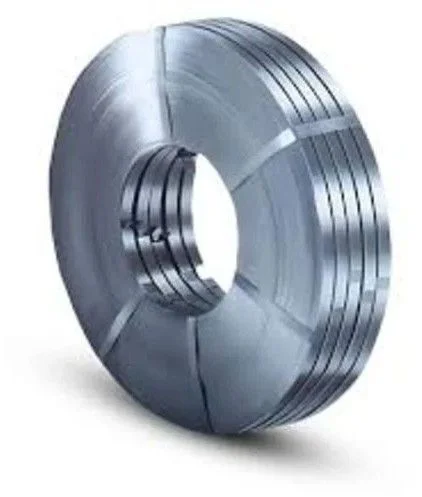
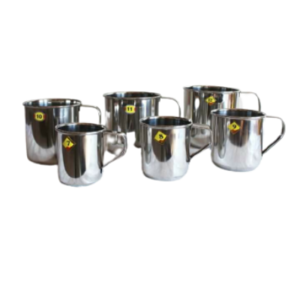
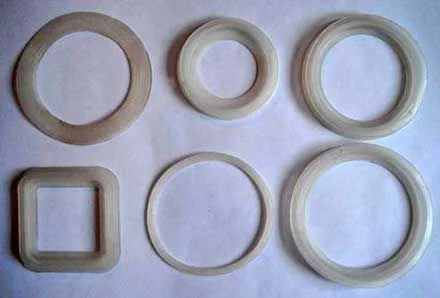
Stainless‑steel utensils such as the Bullet Vacuum Cup are generally fabricated from 304/316 stainless steel, offering double‑wall vacuum insulation and a BPA‑free interior. Glassware, including the Straight Up And Down Glass and the Portable Glass Mug‑0.30 l, is commonly produced from soda‑lime glass with a typical thickness of 3‑4 mm and may meet LFGB or ASTM C‑1175 standards for durability. Plastic bottles and sealings are usually PET or HDPE, with capacities around 0.5‑1 L, meeting FDA or EU‑food contact regulations and often supplied in recyclable PET‑G cartons.
Trade and Export Information - Zibo Kunyang Ceramic Co., Ltd.
China remains a leading exporter of ceramic tableware, stainless‑steel kitchenware, glass vessels and PET bottles, with major destinations in North America, the European Union, the Middle East and Southeast Asia. HS‑code families 6912, 7323, 7010 and 3923 are routinely inspected by customs for compliance with food‑safety and material‑safety regulations. Typical certifications requested by importers include ISO 9001 quality management, ISO 22000 or HACCP for food safety, and product‑specific approvals such as FDA, LFGB or EU No 10/2011 for plastics.
Export shipments from Chinese manufacturers are usually packed in export‑grade cardboard cartons, stacked on Euro pallets and loaded into 20‑ft or 40‑ft containers. Incoterms most often used are FOB (port of Shanghai or Ningbo) or CIF to destination ports. Buyers should verify that the supplier can provide material safety data sheets (MSDS), test reports for heavy metals, and compliance certificates relevant to the target market.
Sourcing from Zibo Kunyang Ceramic Co., Ltd. - Buyer Guidance
When sourcing ceramic mugs, request a pre‑production sample to assess sublimation colour fidelity, glaze hardness and lead‑free certification. Verify that stainless‑steel cups are supplied with a mill test report confirming 304/316 grade and vacuum insulation performance. For glassware, ask for a thickness measurement report and impact‑resistance test results to ensure compliance with retailer specifications.
For plastic bottles, obtain a PET compliance certificate, a BPA‑free declaration and a migration test report if the bottles are intended for food or beverage use. In all cases, request the supplier’s ISO‑9001 certificate, a recent factory audit report and a product safety data sheet. Confirm packaging dimensions, pallet load plans and lead times before placing a bulk order to align with logistics planning.
Frequently Asked Questions About Zibo Kunyang Ceramic Co., Ltd.,
What are the typical material specifications for the ceramic mugs listed by Zibo Kunyang?
The mugs are made from lead‑free ceramic body with a white glaze, wall thickness around 18‑20 mm, and a sublimation‑ready coating that can accept full‑colour printing.
Which stainless‑steel grade is used for the Bullet Vacuum Cup?
The cup is fabricated from food‑grade 304 stainless steel, providing corrosion resistance and suitability for double‑wall vacuum insulation.
What certifications should a buyer request for the glassware products?
Buyers should request LFGB or ASTM C‑1175 compliance certificates, a thickness measurement report and an impact‑resistance test result.
Are the plastic bottles suitable for food contact and what documentation is needed?
The bottles are typically PET or HDPE and should be accompanied by an FDA or EU No 10/2011 food‑contact certification, a BPA‑free declaration and a migration test report.
What HS‑code families cover the product categories offered?
Ceramic mugs fall under HS 6912, stainless‑steel utensils under HS 7323, glassware under HS 7010 and plastic bottles under HS 3923.
What are common packaging and shipping formats for these items?
Products are usually packed in export‑grade cartons, placed on Euro pallets and shipped in 20‑ft or 40‑ft containers using FOB or CIF incoterms.
What typical minimum order quantities (MOQ) apply to the sublimation mugs?
MOQs for customized sublimation mugs generally start at 500 pieces per design, but the exact figure should be confirmed with the supplier based on imprinting complexity.
How long is the usual lead time from order confirmation to shipment?
Lead times range from 25 to 45 days depending on product type, customization level and current production scheduling.




 , China