Agriculture›
 Apparel and fashion accessories›
 Construction & real estate›💡Electronic & Electrical›🍎Food & Beverages›🛋️Home furnishing & supplies›⚗️Industrial goods & chemical›🪨Minerals & metals›📦Miscellaneous›Agriculture›Apparel and fashion accessories›Construction & real estate›💡Electronic & Electrical›🍎Food & Beverages›🛋️Home furnishing & supplies›⚗️Industrial goods & chemical›🪨Minerals & metals›📦Miscellaneous›
Zhuhai J-speed Technology Co., Ltd.
⚓ Harbor , ChinaNew supplier / no reviews yet
Zhuhai J-speed Technology Co., Ltd. Product Catalog
About Zhuhai J-speed Technology Co., Ltd. - Bees By-Product & Wax Supplier in China
Based in Zhuhai, China, Zhuhai J-speed Technology Co., Ltd. lists five active products focused on wax-based cosmetics and beekeeping by‑products. The catalogue falls under the broader categories of Agriculture and Bees By‑Product & Wax, and the items are generally classified under HS chapter 34, which covers waxes and related preparations. The supplier’s portfolio includes both raw wax products and equipment designed for melting and applying wax in salon or personal‑care settings. This mix reflects a niche within the Chinese export market that supplies both material and hardware for beauty and personal grooming applications.
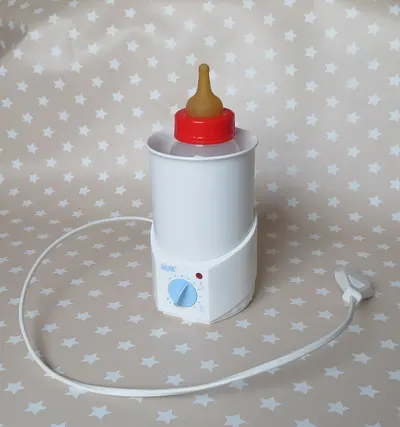
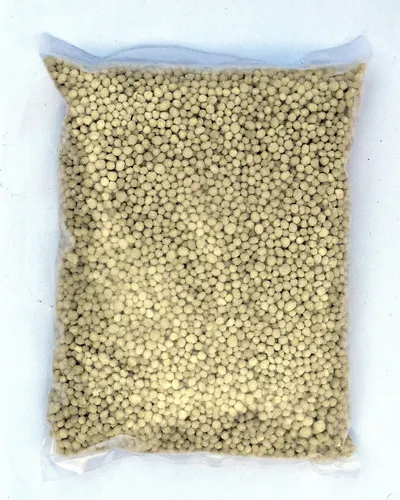
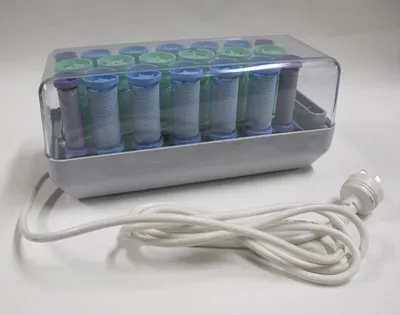
The five listed items comprise a 500 g package of Lavender Wax Hard Beans without strip wax, a 100 g tube of depilatory wax cream, a 100 g rolling cartridge for depilatory wax heaters, a 500 cc mini multi‑function hot wax warmer, and a paraffin bath pot for salon‑level wax treatments. Each product aligns with the supplier’s declared top categories and is marketed for use in hair removal, spa treatments, and cosmetic formulation. The hardware items are electrically powered devices typically recorded under HS 8516, while the wax consumables fall under HS 3401 sub‑headings. No additional product lines or services are mentioned in the supplied data.
Product Range and Specialties of Zhuhai J-speed Technology Co., Ltd.
The catalogue offers two consumable wax formats: a hard lavender‑scented wax bean (500 g) and a soft depilatory cream (100 g), both intended for hair‑removal procedures. In the broader industry, hard waxes are often graded by melting point (typically 62‑66 °C for refined beeswax) and purity level (> 99 % w/w), while soft depilatory creams are evaluated on resin content, pH (usually 4‑5), and fragrance stability. The supplier also provides three heating devices - a rolling cartridge heater (100 g cartridge), a compact 500 cc multi‑function warmer, and a larger paraffin bath pot - each designed to melt waxes at controlled temperatures between 50‑80 °C, matching the softening points of most cosmetic waxes.
Typical industry specifications for similar products include plastic or stainless‑steel heating chambers, temperature regulation via thermostats, and safety certifications such as IEC 60335 for household appliances. Wax consumables are commonly packaged in sealed, food‑grade polyethylene jars or foil‑lined sachets to preserve aroma and prevent contamination. Buyers often look for a Certificate of Analysis that details melting point, iodine value, and microbiological limits for the waxes, and a user manual that confirms compliance with relevant electrical standards.
Frequently Asked Questions About Zhuhai J-speed Technology Co., Ltd.
What HS codes apply to the wax products listed by Zhuhai J-speed Technology?
The wax consumables fall under HS chapter 34, most commonly HS 3401.12 for refined beeswax and HS 3401.90 for other cosmetic waxes. The exact sub‑heading depends on the product’s composition and intended use.
Which certifications should a buyer request for the depilatory wax cream?
Buyers should request a Certificate of Analysis, proof of GMP compliance, and, for EU shipments, a conformity declaration under the EU Cosmetics Regulation. Microbiological test results are also standard.
Are the heating devices covered by any safety standards?
Yes, they are typically required to meet IEC 60335 for household electrical appliances. Buyers may also ask for CE marking documentation for EU markets or UL certification for the United States.
What is the usual packaging format for the 500 g lavender wax beans?
The product is normally packed in sealed, food‑grade polyethylene jars or foil‑lined sachets to protect the wax from moisture and preserve fragrance. Packaging dimensions are designed to fit standard 20‑ft container pallets.
What are typical minimum order quantities for the wax items?
Standard MOQ for the 500 g wax beans is one full batch (500 g), while the 100 g depilatory cream is often sold in multiples of 10 units. Equipment MOQ is usually one unit per model.
ChinaRelated Suppliers & Products
Explore similar suppliers, related products and trending categories