Zhengzhou Huitong Pipe Fitting Company — Supplier
About Zhengzhou Huitong Pipe Fitting Company - Flanges Supplier in China
Zhengzhou Huitong Pipe Fitting Company operates from China and currently lists five active flange products in its catalogue. The product portfolio is confined to the flange segment, covering general carbon and stainless steel flanges, as well as a range of alloy‑based designs. The listed items include a standard carbon‑steel/stainless‑steel flange (HS code 7307.19), an Alloy 800 flange (HS code 7307.91), a Nickel‑Molybdenum Alloy B flange (HS code 7507.20), an Alloy C‑276 flange (HS code not disclosed), and an ASTM A694 F42 forged carbon‑steel flange (HS code 7307.91). Each entry specifies the primary material composition, such as carbon steel, stainless steel grades 304/316, alloy 800 (UNS N08800), and nickel‑based alloys. The catalogue does not provide additional details on dimensions, pressure ratings, or certifications.
The supplier’s focus on flanges places it within the HS chapter 73 and 75 families that classify iron, steel, and other base metal fittings. The five products collectively address typical industrial applications that require corrosion‑resistant or high‑strength connections, such as petrochemical, power generation, and water‑treatment facilities. The inclusion of both carbon‑steel and stainless‑steel options, together with nickel‑based alloys, suggests capability to serve environments ranging from standard pressure services to highly corrosive media. The listed HS codes correspond to the internationally recognised tariff headings for pipe fittings of various alloys. No explicit certifications are mentioned in the provided facts.
Product Range and Specialties of Zhengzhou Huitong Pipe Fitting Company
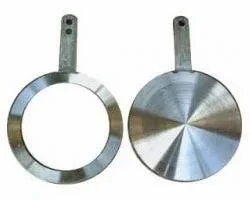
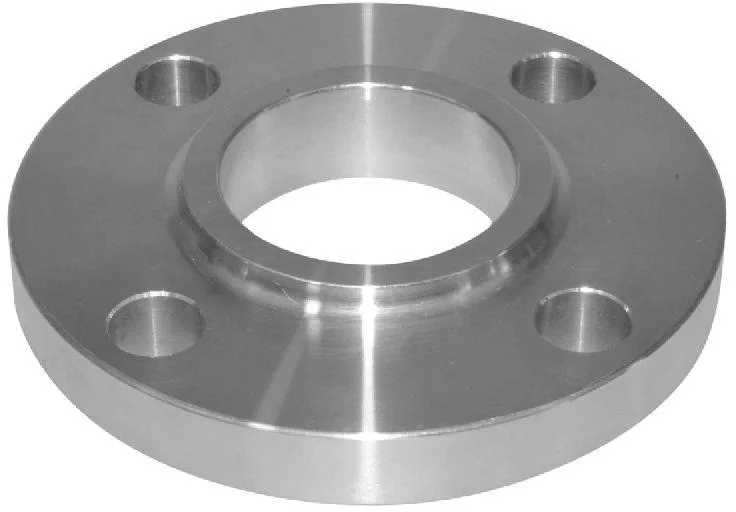
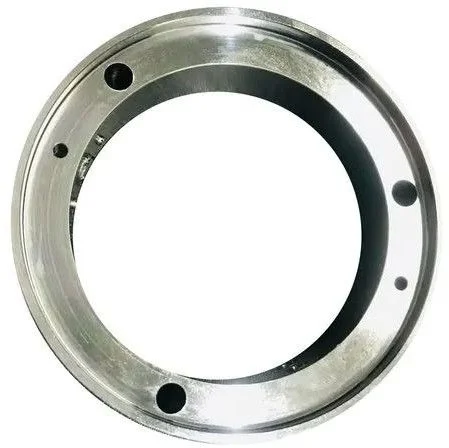
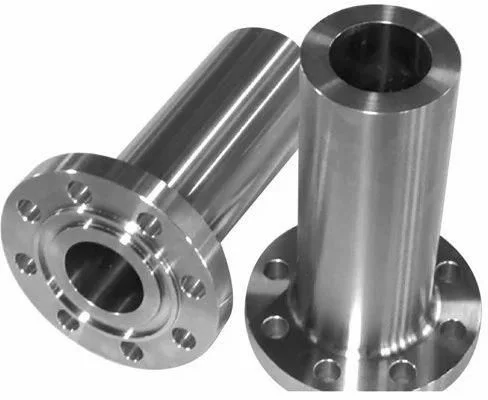
The catalogue shows five flange types: a general carbon‑steel/stainless‑steel flange (HS 7307.19) that typically conforms to standards such as EN 1092‑1 or ANSI B16.5, an Alloy 800 flange (HS 7307.91) used where high temperature strength is required, a Nickel‑Molybdenum Alloy B flange (HS 7507.20) suited for aggressive chemical environments, an Alloy C‑276 flange (HS code not listed) renowned for its superior corrosion resistance, and an ASTM A694 F42 forged carbon‑steel flange (HS 7307.91) designed for high‑pressure service. Industry practice grades these flanges by pressure class (e.g., Class 150, 300, 600) and by dimensions defined in nominal pipe size (NPS) and bolt‑hole circle diameter.
Typical specifications for flanges of these materials include face‑type options (raised‑face, flat‑face, or ring‑type joint), bolt circle diameters ranging from M12 to M48, and material test certificates that confirm chemical composition and mechanical properties such as tensile strength and hardness. For alloy‑based flanges, buyers often require compliance with ASTM A182 (for alloy 800) or ASTM B16 (for nickel alloys) and may request additional testing for corrosion resistance in chloride media. Standard packaging involves wooden crates with individual protective wraps, allowing 20‑ft or 40‑ft containers to hold 40 - 80 units depending on size.
Trade and Export Information - Zhengzhou Huitong Pipe Fitting Company
China is a global exporter of steel fittings, and flanges classified under HS 7307 and 7507 are routinely shipped to regions including Southeast Asia, the Middle East, Europe, and North America. Buyers in oil‑and‑gas, petrochemical, power generation, and water‑treatment sectors commonly request compliance with standards such as ISO 9001 quality management, PED (Pressure Equipment Directive) for the EU, and API 6A for offshore applications. Typical export documentation includes a commercial invoice, packing list, certificate of origin, and a mill test report (MTR) that details chemical analysis and mechanical test results. Logistics for these flanges usually involve FOB or CIF terms, with cargo packed in wooden crates on 20‑ft or 40‑ft containers; the average weight per standard 6‑inch flange is around 30 kg, while larger 24‑inch units can exceed 200 kg.
Regulatory inspection in importing countries often focuses on conformity to the relevant pressure‑equipment directives and material standards. Chinese exporters of flanges frequently obtain third‑party inspection certificates from agencies such as SGS or Bureau Veritas to satisfy buyer requirements. Seasonal shipping peaks align with major project timelines in the Gulf Cooperation Council (GCC) states and the European Union, where demand for corrosion‑resistant nickel alloys is particularly strong.
Sourcing from Zhengzhou Huitong Pipe Fitting Company - Buyer Guidance
When sourcing flanges from Zhengzhou Huitong Pipe Fitting Company, request a recent Mill Test Report that verifies the chemical composition and mechanical properties for each alloy listed. Verify that the flange dimensions, pressure class, and face type match the project specifications, and confirm compliance with the applicable standard (e.g., EN 1092‑1, ANSI B16.5, ASTM A182). Ask for a declaration of conformity to any required certifications such as ISO 9001, PED, or API 6A, even though the supplier has not listed them in the facts.
Typical minimum order quantities for specialty alloy flanges range from 1 to 10 pieces, depending on size and material, while standard carbon‑steel flanges may be ordered in batches of 20 or more. Lead times reported for similar Chinese manufacturers are 4 - 6 weeks for forged or cast alloy flanges and 2 - 4 weeks for standard carbon‑steel units. Ensure that packaging meets the buyer’s handling requirements, with each flange individually wrapped and loaded on dunnage to prevent damage during ocean freight.
Frequently Asked Questions About Zhengzhou Huitong Pipe Fitting Company
What flange standards are covered by the products listed by Zhengzhou Huitong Pipe Fitting Company?
The catalogue includes flanges that can be produced to EN 1092‑1, ANSI B16.5, and ASTM A182 specifications, depending on the material and pressure class requested.
Which materials are available for the flanges offered by this supplier?
Materials listed are carbon steel, stainless steel grades 304/316, Alloy 800 (UNS N08800), Nickel‑Molybdenum Alloy B (UNS N10001), and Alloy C‑276, as well as forged carbon steel meeting ASTM A694 F42.
Are HS codes provided for all flange types?
HS codes are provided for the carbon‑steel/stainless‑steel flange (7307.19), Alloy 800 flange (7307.91), Alloy B flange (7507.20), and ASTM A694 F42 flange (7307.91). The Alloy C‑276 flange does not have an HS code disclosed in the catalogue.
What typical certifications should a buyer request for these flanges?
Buyers should request a Mill Test Report, ISO 9001 quality management certification, and, if required for the destination market, PED or API 6A compliance documentation.
What are the common packaging and shipping methods for these flanges?
Flanges are normally packed in individual protective wraps inside wooden crates, loaded on 20‑ft or 40‑ft containers. Shipping terms frequently used are FOB or CIF.
What is the usual lead time for ordering alloy‑based flanges from this supplier?
Lead times for alloy‑based flanges such as Alloy 800, Alloy B, and Alloy C‑276 typically range from four to six weeks, while standard carbon‑steel flanges may be delivered in two to four weeks.
What minimum order quantities apply to the supplier’s flange products?
Minimum order quantities vary by material; specialty alloy flanges often start at one piece, whereas standard carbon‑steel flanges usually require orders of 20 pieces or more.
How can a buyer verify the pressure rating and size of a flange before purchase?
Buyers should obtain the product data sheet that lists the nominal pipe size (NPS), pressure class (e.g., Class 150, 300, 600), bolt‑hole dimensions, and face type, and cross‑check these details against project specifications.




 , China