Zaatar Overseas — Verified Supplier
About Zaatar Overseas - Multi‑Category Supplier in Israel
Zaatar Overseas operates from Israel and currently offers 25 distinct items in its online catalogue. The listed items fall under four primary categories: honey products, soaps & detergents, thyme blends, and instant Arabic coffee. Each product name reflects its formulation, such as “Lemon And Ginger Honey” or “Siba Dead Sea Mud Soap”, and the catalogue includes both sweet spreads and savory marinades. The supplier’s catalogue does not provide HS‑code details, so the product families are identified by their standard trade classifications.
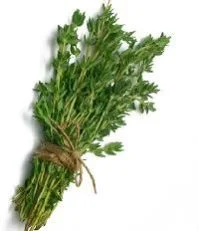
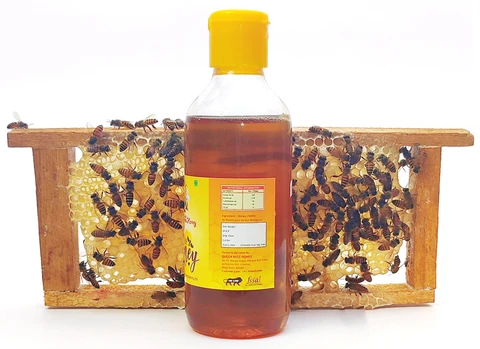
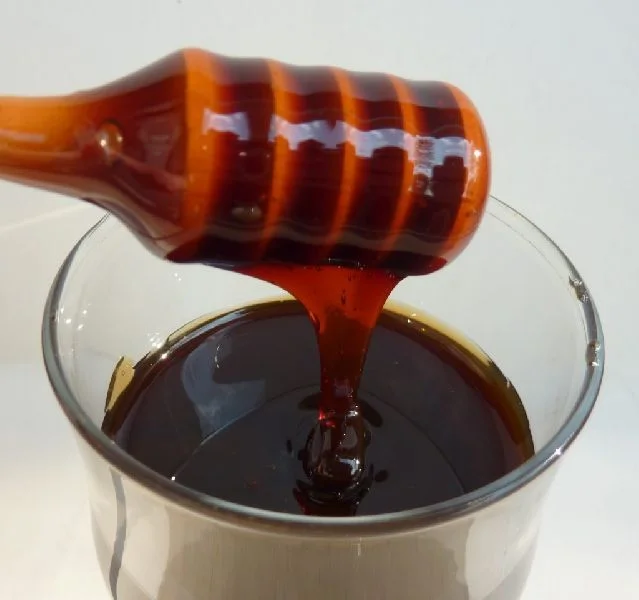
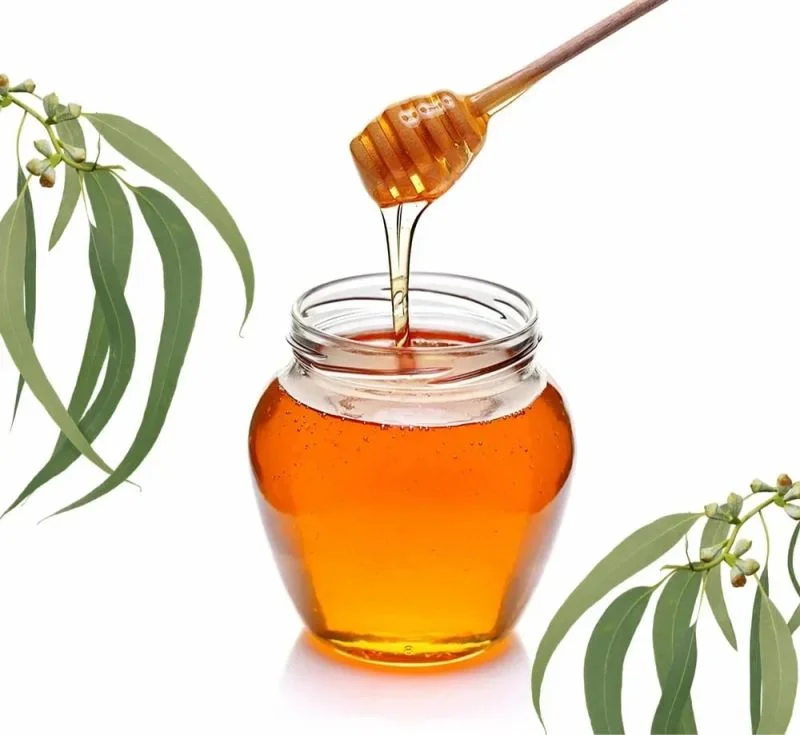
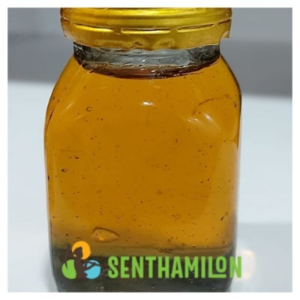
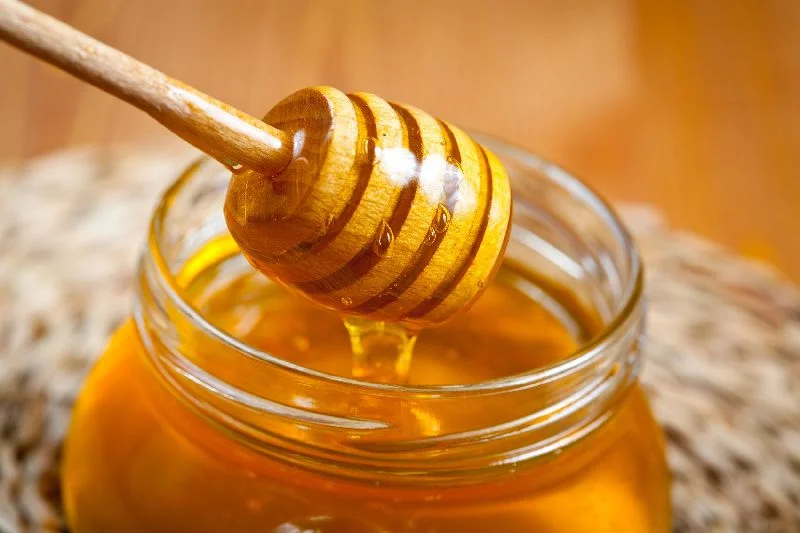
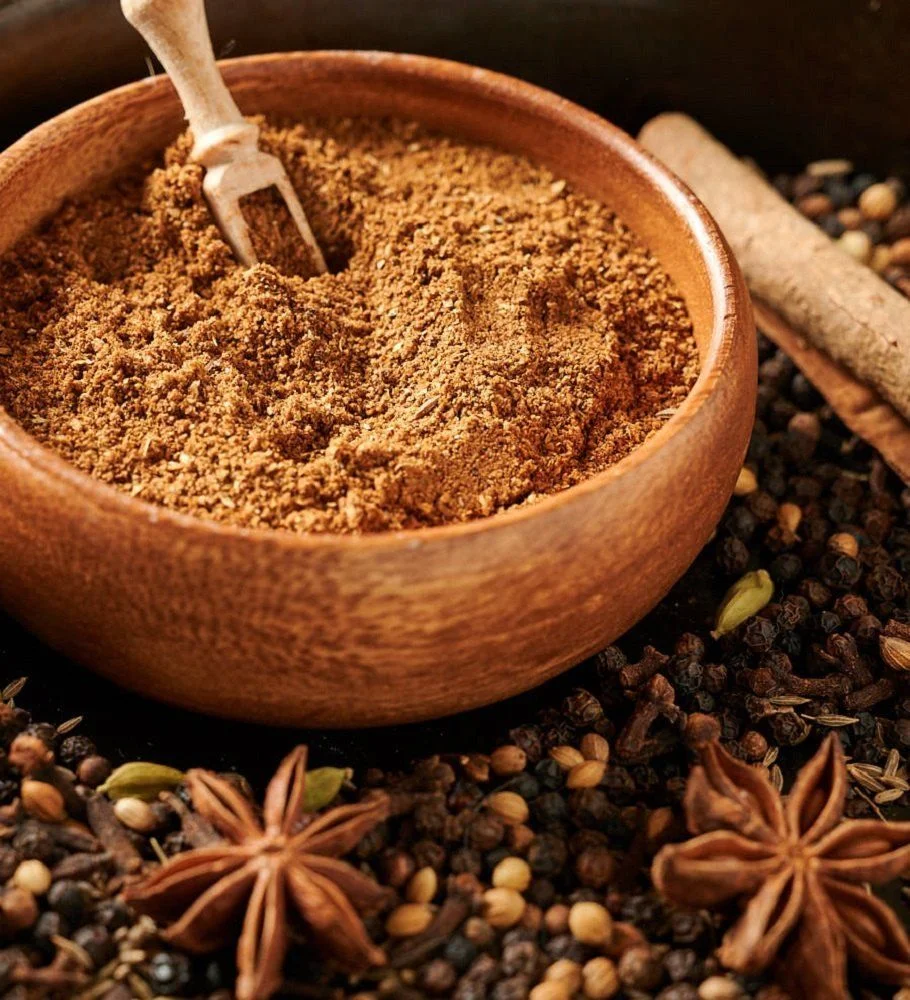
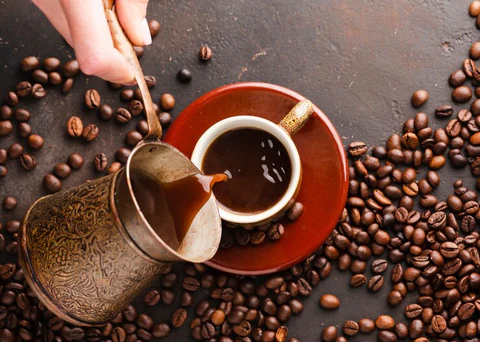
The honey line comprises more than a dozen variants, ranging from single‑origin syrups to blends with fruit, spice, or botanical additives. Soap offerings include a dead‑sea‑mud formulation and an olive‑oil lemon variant, while the thyme range is presented as a traditional “Zaatar” blend. The sole coffee item is listed as “Instant Arabic Coffee”, indicating a ground, soluble product intended for quick preparation. All 25 products are presented without claimed certifications or specific production capacities.
Product Range and Specialties of Zaatar Overseas
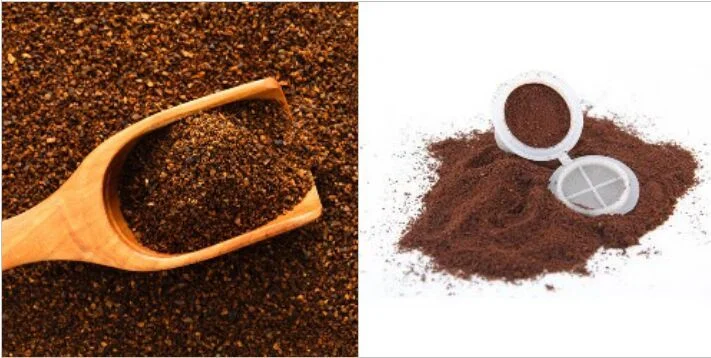
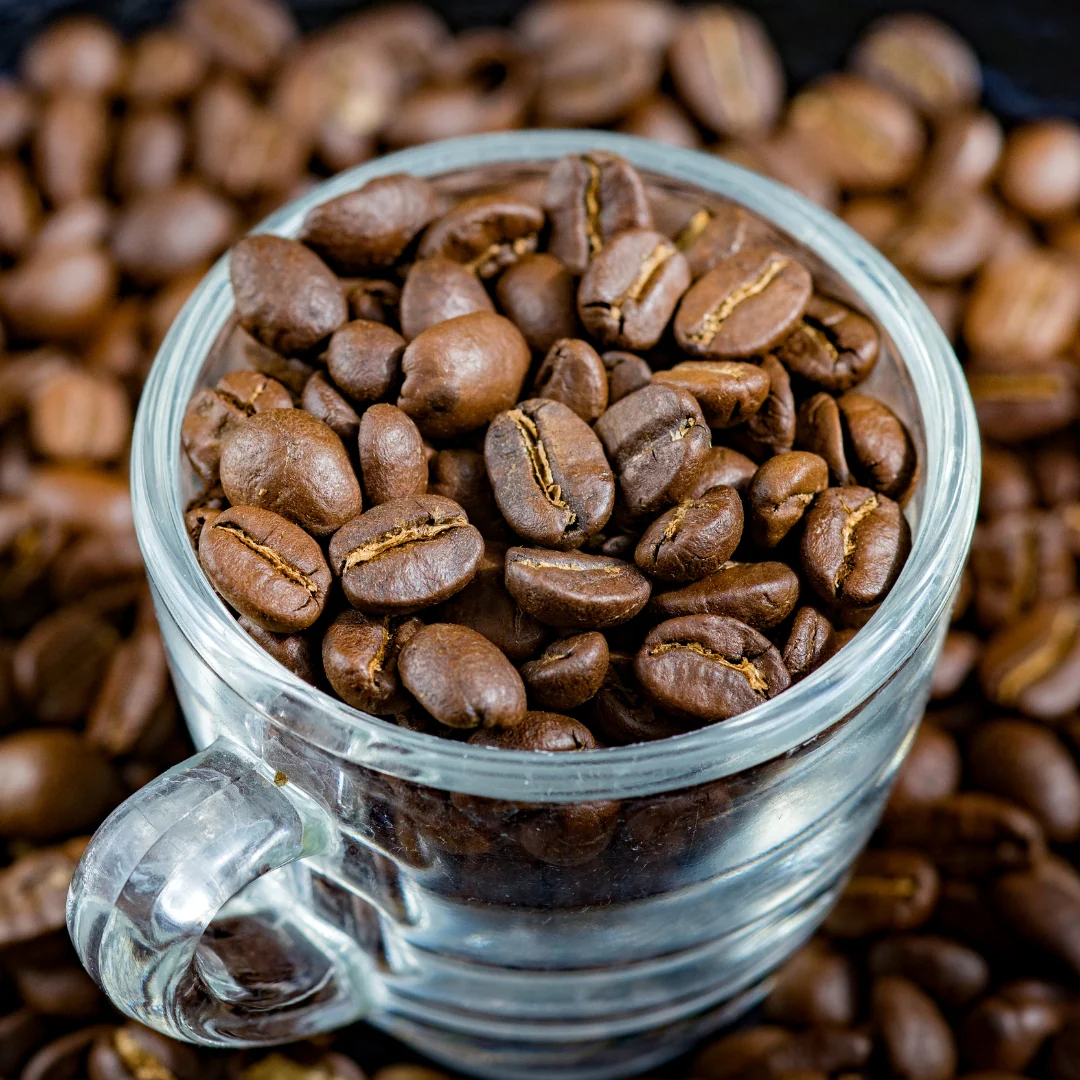
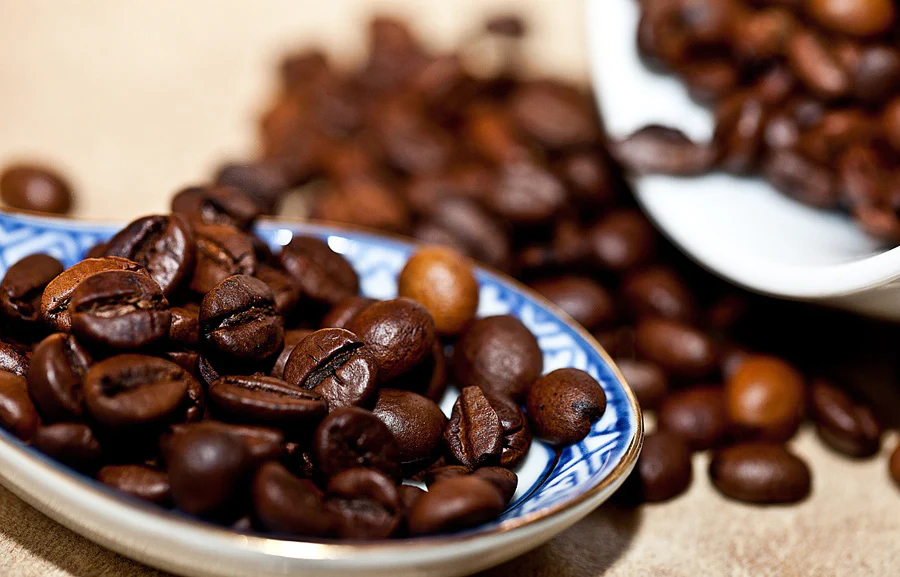
The catalogue’s honey selections cover typical Israeli monofloral and multifloral profiles, many of which would be classified under HS chapter 04 (e.g., HS 0409 for natural honey). In the broader market, honey is often graded by ICUMSA standards, with premium grades such as ICUMSA 45 indicating low ash and moisture content below 18 %. The date‑based spreads and syrups are generally treated under HS 2008 for prepared fruit spreads, with typical sugar content above 70 % and a viscosity of 1500‑2500 cP at 20 °C. Soap products fall under HS 3401 and are usually formulated from natural oils, clays, and botanical extracts; standard specifications include pH 5‑7 and a minimum of 30 % fatty acid content. Thyme blends are classified under HS 1212 for dried herbs, with common quality metrics such as moisture ≤12 % and essential‑oil yield around 1‑2 %. Instant Arabic coffee is grouped under HS 0901, with typical solubility above 95 % and particle size below 200 µm for rapid dissolution.
Trade and Export Information - Zaatar Overseas
Israeli honey exporters typically target the European Union, United States, and Gulf Cooperation Council markets, where buyers demand traceability, pollen analysis, and compliance with EU honey directive 2001/110/EC. Soap exporters from Israel often focus on the EU cosmetics market, which requires REACH registration and, for natural soaps, a certification such as ECOCERT or ISO 22716. Thyme and other dried herbs are commonly shipped to food‑manufacturing hubs in Europe and North America, where phytosanitary certificates and pesticide residue testing are standard. Instant Arabic coffee is frequently supplied to hospitality sectors in the Middle East and North Africa, with buyers usually requesting a Certificate of Analysis confirming caffeine content (typically 1.5‑2 % w/w) and moisture below 5 %. Across these categories, HS codes 0409, 3401, 1212 and 0901 are routinely used for customs declarations, and shipments are often packed in food‑grade polyethylene bags or cardboard cartons suitable for 20‑ft or 40‑ft containers under CIF or FOB terms.
Sourcing from Zaatar Overseas - Buyer Guidance
When evaluating Zaatar Overseas, buyers should request a recent Certificate of Analysis for each honey variant, covering moisture, sugar profile, and pollen spectrum. For the soap line, a safety data sheet and, where applicable, a natural‑product certification (e.g., ISO 14001 or ECOCERT) help verify compliance with EU cosmetics regulations. Thyme blends should be accompanied by a pesticide‑residue test report and a moisture content certificate to ensure storage stability. Instant Arabic coffee samples should be examined for solubility, caffeine level, and microbiological limits (≤10 CFU/g for total plate count). In the absence of listed certifications, buyers are advised to ask for documentation that meets the typical standards of the destination market before confirming orders.
Frequently Asked Questions About Zaatar Overseas
What product categories does Zaatar Overseas list in its catalogue?
The supplier lists 25 items across honey blends, date‑based spreads, natural soaps, a thyme Zaatar mix, and instant Arabic coffee.
Are HS codes provided for the products?
No HS codes are attached to the catalogue entries; however, the products fall into standard HS chapters such as 0409 for honey, 3401 for soaps, 1212 for dried herbs, and 0901 for instant coffee.
Which quality specifications are typical for the honey products?
Israeli honey is usually graded by ICUMSA standards, with premium grades like ICUMSA 45 having moisture below 18 % and ash content under 0.05 %.
What documentation should a buyer request for the soap items?
Buyers should ask for a safety data sheet, ingredient list, and any natural‑product certification such as ISO 14001 or ECOCERT that confirms compliance with EU cosmetics rules.
How is the thyme Zaatar blend evaluated for quality?
Typical quality checks include moisture content not exceeding 12 % and verification of essential‑oil yield around 1‑2 % through gas‑chromatography analysis.
What are the common packaging formats for the instant Arabic coffee?
Instant coffee is usually packed in airtight, food‑grade sachets or bulk cartons, with a typical net weight of 250 g per pack suitable for container loading.
Which certifications are commonly required for these product types when importing to the EU?
Importers generally require a Certificate of Analysis, a phytosanitary certificate for herbs, and, for soaps, a REACH registration or equivalent cosmetic safety dossier.
What are the typical lead times and MOQ for shipments from Israel?
Lead times for most Israeli food exporters range from 30 to 45 days after order confirmation, with minimum order quantities often set at one 20‑ft container (approximately 1 000 kg for honey or 800 kg for soaps) unless otherwise negotiated.




 , Israel