Agriculture›
 Apparel and fashion accessories›
 Construction & real estate›💡Electronic & Electrical›🍎Food & Beverages›🛋️Home furnishing & supplies›⚗️Industrial goods & chemical›🪨Minerals & metals›📦Miscellaneous›Agriculture›Apparel and fashion accessories›Construction & real estate›💡Electronic & Electrical›🍎Food & Beverages›🛋️Home furnishing & supplies›⚗️Industrial goods & chemical›🪨Minerals & metals›📦Miscellaneous›
Yangzhou Wuyue Electric Co., Ltd
⚓ Harbor , ChinaNew supplier / no reviews yet
Yangzhou Wuyue Electric Co., Ltd Product Catalog

About Yangzhou Wuyue Electric Co., Ltd - Temperature Controllers & Indicators Supplier in China
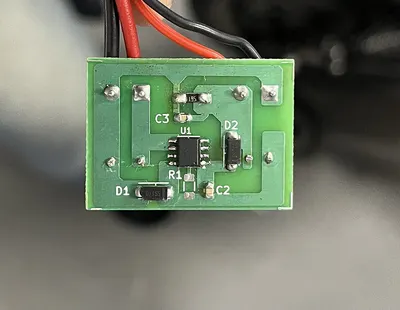
Based in Yangzhou, China, Yangzhou Wuyue Electric Co., Ltd lists 11 active products that span temperature and current protection, fuse combinations, window‑motor safeguards, button‑type thermal protectors and sealed plastic cases. The catalogue references specific HS‑code families such as 8536.30 for the TS01/TS02 button type protector and 8534.00 for the TS05 thermal battery protector, indicating compliance with standard customs classifications for electronic safety components. Each listed item is described by its functional class - for example, “Both Temperature And Current Protector” or “Thermal Battery Protector” - rather than by brand or performance rating. The product set reflects a focus on protective devices used in low‑voltage electrical equipment and consumer electronics.
The product titles reveal a mix of standalone protectors (e.g., 5ape/2mpe Both Temperature And Current Protector) and hybrid units that combine a thermal element with a reset function (e.g., 6ape/3mpe +ptc Power Reset Protect). Materials disclosed include a bimetal alloy of copper and nickel with a plastic housing for the button type protector, and a bimetal thermal sensor encased in polyamide (PA66) for the battery protector. No explicit performance data such as current rating or temperature trip point is provided, but the naming convention follows industry practice of indicating ampere class (e.g., “5ape” for 5 A) and protection type.
Product Range and Specialties of Yangzhou Wuyue Electric Co., Ltd
Yangzhou Wuyue Electric’s catalogue covers several standard protective device families. Temperature‑and‑current protectors typically conform to IEC 60269 fuse standards and are offered in ampere classes ranging from 5 A to 17 A, with thermal trip temperatures commonly between 70 °C and 120 °C. Button‑type thermal protectors (HS 8536.30) are usually supplied as snap‑in components for printed‑circuit‑board assembly, employing a copper‑nickel bimetal strip that bends at a calibrated temperature. Thermal battery protectors (HS 8534.00) often use a PA66 housing to meet flame‑retardant requirements and are designed for rechargeable battery packs where over‑temperature shutdown is critical. The sealed plastic cases listed under “17ame‑s Plastic Sealed Case” are typical of IP‑rated enclosures used to protect circuitry from moisture and dust.
Typical industry grades for these devices include Class B (standard) and Class C (high‑performance) thermal fuses, with melt‑point tolerances of ±2 °C. Buyers usually request test reports confirming compliance with IEC 60269, IEC 60947 for motor protectors, and RoHS limits on lead and cadmium. Packaging is commonly in anti‑static poly‑bag bundles for small protectors and cardboard cartons for larger sealed cases, with container loading expressed in standard 20‑ft or 40‑ft TEU units.
Frequently Asked Questions About Yangzhou Wuyue Electric Co., Ltd
What types of protective devices does Yangzhou Wuyue Electric list in its catalogue?
The catalogue includes temperature‑and‑current protectors, thermal fuses, hybrid fuse‑plus‑PTC reset units, window‑motor protectors, button‑type thermal protectors (HS 8536.30) and thermal battery protectors (HS 8534.00), as well as sealed plastic cases for housing these components.
Are the button‑type thermal protectors compliant with any international standards?
The button‑type protectors are described with a copper‑nickel bimetal alloy and plastic housing, a typical construction that meets IEC 60269 and IEC 60947 requirements for low‑voltage safety devices. Buyers should request the supplier’s compliance test report for confirmation.
What material is used in the thermal battery protector listed under HS 8534.00?
The thermal battery protector uses a bimetal thermal sensor encased in a polyamide (PA66) housing, a material choice that provides high heat resistance and meets common flame‑retardant specifications for battery applications.
How are the protectors typically packaged for export?
Small protectors are usually packed in anti‑static poly‑bag bundles inside cardboard cartons, while larger sealed cases are shipped in moisture‑controlled boxes. Standard loading aligns with 20‑ft or 40‑ft TEU containers based on unit weight and volume.
Which certifications should a buyer request for these electrical safety components?
Buyers should request CE or UL certification copies, IEC 60269/IEC 60947 test reports, and RoHS compliance statements to ensure the devices meet European or North American regulatory requirements.
ChinaRelated Suppliers & Products
Explore similar suppliers, related products and trending categories