World Plastics For Construction Industries — Verified Supplier
About World Plastics For Construction Industries - Flanges Supplier in Jordan
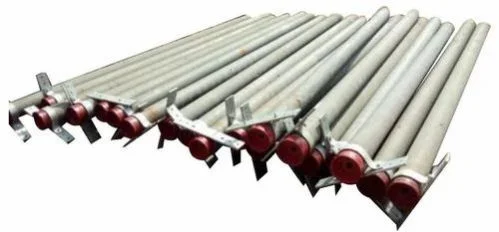
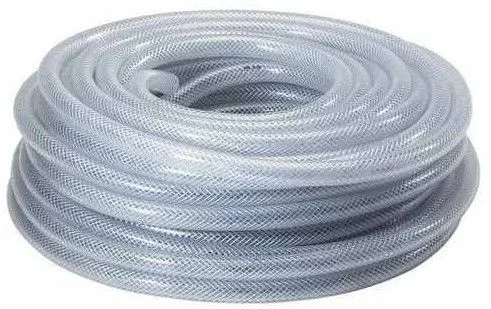
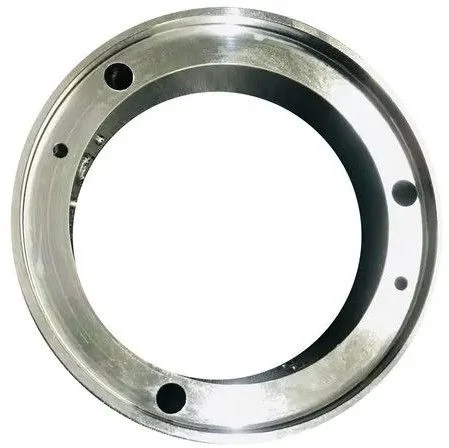
Jordan‑based World Plastics For Construction Industries lists seven active product lines in its catalogue. The catalogue includes Thermo Pipe (PPR), Aquapipe HDPE pipes, Thermopert steel‑based pipe, Pex‑B Thermopex, PPR fittings, UPVC pipe and Electro pipe & fittings, each recorded under HS code families 3917.21, 3917.23, 3917.40 and 7307.19. Materials cover polypropylene random copolymer (PPR‑C/PP‑R Type 3), HDPE PE100, cross‑linked polyethylene (PEX‑B), unplasticized PVC and carbon steel with thermal coating or stainless steel 304/316. The product titles map directly to standard pipe categories such as hot‑ and cold‑water distribution, drainage and electrical conduit. All entries are grouped under the single top category “Flanges”, indicating that the supplier also provides compatible flange accessories for the listed pipe systems.
Product Range and Specialties of World Plastics For Construction Industries
The seven items span three main material families: thermoplastic polymers (PPR, HDPE, PEX‑B, UPVC), carbon steel with thermal coating, and stainless steel 304/316. In the global pipe market, PPR‑C pipes are typically produced to ASTM D1785 or DIN 8077 with pressure ratings up to PN 16 (≈160 bar) and diameters from 20 mm to 1100 mm. HDPE PE100 pipes are commonly supplied to ISO 4427 specifications, offering a minimum required strength of 10 MPa and suitability for potable water and gas. PEX‑B pipe conforms to ASTM F876/F877, usually rated for temperatures up to 95 °C and pressure classes PN 10‑PN 20. UPVC conduit follows EN 1329, with wall thicknesses defined by nominal diameter and impact resistance measured at 20 °C. The steel‑based Thermopert product aligns with ASTM A53 or EN 10220 for carbon steel, often coated for corrosion resistance in hot‑water applications.
Trade and Export Information - World Plastics For Construction Industries
Jordan exports plastic piping primarily to neighboring Middle‑East markets, North‑African countries and selected EU states, where demand is driven by construction, irrigation and municipal water projects. HS chapter 39 (3917) covers plastic pipes and fittings, and customs authorities frequently request conformity certificates to ISO 9001 or relevant national standards such as Saudi‑SASO or UAE‑ESMA. The steel‑coated Thermopert item falls under HS 7307, a chapter monitored for anti‑corrosion treatments and heat‑resistance specifications; buyers often require mill test reports and coating thickness certificates. Typical shipment sizes are 20‑ft or 40‑ft containers with pipes bundled in wooden crates or palletized in bulk, protected by moisture‑resistant film. Incoterms most used for Jordanian pipe exporters are FOB Amman Port or CIF destination ports in the Gulf, reflecting the region’s established logistics corridors.
Sourcing from World Plastics For Construction Industries - Buyer Guidance
Buyers should request material data sheets that confirm polymer grade (e.g., PPR‑C, PE100, PEX‑B) and the applicable pressure class (PN 10‑PN 20). Hydrostatic test reports, dimensional drawings and certification of compliance with ASTM, EN or ISO standards are standard documents for pipe procurement. For the Thermopert steel product, a mill test report covering chemical composition, tensile strength and coating thickness is essential. Verify that packaging meets container load limits - typically 1 m³ per bundle for 110 mm‑diameter pipes - and that the supplier can provide a packing list aligned with HS codes 3917.21, 3917.23, 3917.40 or 7307.19. Prior to a full order, requesting a sample of each material type allows verification of wall thickness, colour consistency and joining method (welding, solvent cement or mechanical coupling).
Frequently Asked Questions About World Plastics For Construction Industries
What pressure ratings are available for the PPR and HDPE pipes listed?
PPR‑C pipes are generally supplied up to PN 16 (≈160 bar) and HDPE PE100 pipes up to PN 20 (≈200 bar) according to ASTM D1785 and ISO 4427 specifications.
Which standards govern the dimensions of the UPVC conduit?
UPVC conduit follows EN 1329, which defines nominal diameters, wall thicknesses and impact resistance for electrical and plumbing applications.
What documentation should be requested for the Thermopert steel product?
A mill test report covering chemical composition, tensile strength, and the thickness of the thermal coating, together with compliance to ASTM A53 or EN 10220, is typically required.
Are samples available for the PEX‑B Thermopex line?
Yes, manufacturers normally provide short‑length samples (1‑2 m) that demonstrate cross‑link density, temperature rating up to 95 °C and the required pressure class (PN 10‑PN 20).
What are the typical container loading practices for these pipe products?
Pipes are usually bundled in wooden crates or palletized, with a maximum of about 1 m³ per bundle for 110 mm diameter pipes, allowing safe transport in 20‑ft or 40‑ft containers.
Which certifications are most commonly required by importers of Jordanian plastic pipes?
Importers frequently ask for ISO 9001 quality management certification, material test certificates to ASTM/EN standards, and, where applicable, regional conformity marks such as Saudi‑SASO or UAE‑ESMA.
What Incoterms are typically used for shipping from Jordan?
FOB Amman Port and CIF to destination ports in the Gulf or North‑Africa are the most common Incoterms for Jordanian pipe exporters.
How can a buyer verify the material grade before placing a large order?
Requesting the supplier’s material data sheet, a recent hydrostatic test report and, if possible, an independent third‑party lab analysis of a sample will confirm the polymer grade and performance specifications.




 , Jordan