Woda Fence — Supplier

About Woda Fence - Fencing Materials Supplier in China

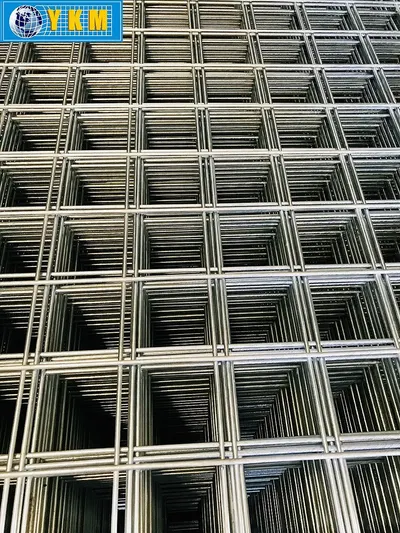
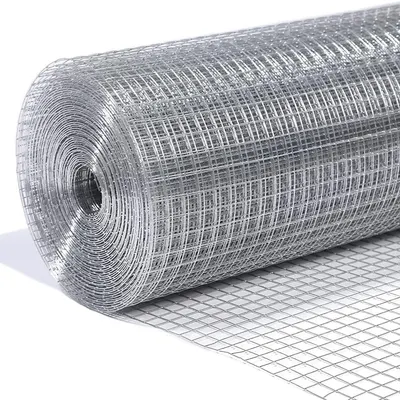
China‑based Woda Fence lists nine active products under the categories Fencing Materials and Wire Mesh. The catalogue includes a 358 security fence, 358 prison mesh, 358 anti‑climb mesh, PVC‑coated chain‑link fence, aluminum metal fence, steel mesh fence panels, galvanised wire mesh panels, various types of metal fences and a galvanized chain‑link fence. Each entry falls within the broader HS‑code families for metal fences (typically 7308, 7309) and wire mesh (often 7308). The supplier’s product set therefore covers both rigid panel systems and flexible mesh solutions used in perimeter security and general fencing applications. Typical industry specifications for these categories include steel gauges ranging from 2 mm to 6 mm, mesh opening sizes of 25 mm to 100 mm, and tensile strengths of 350 - 500 MPa for galvanized steel. PVC‑coated chain‑link products commonly carry a coating thickness of 30 - 45 µm, while aluminum fences are supplied in alloy grades 6061 or 6063 with surface treatments for corrosion resistance. Buyers frequently reference standards such as ASTM A123 for hot‑dip galvanizing, ISO 9001 quality management, and IEC 60745 for safety‑related fencing components.

Product Range and Specialties of Woda Fence

The listed products span three main formats: (1) solid security panels (358 security fence, steel mesh fence panels), (2) woven or welded mesh (358 prison mesh, 358 anti‑climb mesh, galvanised wire mesh panels) and (3) chain‑link systems (PVC‑coated chain‑link fence, galvanized chain‑link fence). In the global market, security panels are often rated by impact resistance (e.g., IK08) and fire classification (e.g., Euroclass B‑s2, d0). Mesh products are graded by aperture size, wire diameter and tensile strength, with common grades such as 6 mm × 6 mm wire at 400 MPa for high‑security applications. Chain‑link fences are typically supplied in 2 mm to 4 mm wire gauges with a 50 mm mesh size and a polymer coating measured in microns. Industry buyers also look for compliance with regional standards: European importers may require CE marking and conformity to EN 1317 (safety of fencing), while North American purchasers often cite ASTM A108 for welded wire mesh. Suppliers in China regularly provide SGS or Bureau Veritas inspection reports to verify coating thickness, tensile performance and dimensional tolerances. These documented specifications help buyers match product performance to project requirements such as prison enclosures, perimeter security, or agricultural fencing.

Trade and Export Information - Woda Fence

Exporters of fencing materials from China primarily serve markets in Southeast Asia, the Middle East, Africa and Latin America, where rapid infrastructure development drives demand for durable, low‑maintenance barriers. The HS‑code families most relevant to Woda Fence’s catalogue are 7308 (structures of iron or steel), 7309 (tube or pipe fittings) and 7315 (other articles of iron or steel). Importers typically request FOB terms from Chinese ports, with containers loaded in standard 20‑ft or 40‑ft units; chain‑link and mesh panels are often palletized on wooden pallets or bundled in steel‑wrapped bundles for easier handling. Buyers usually require pre‑shipment inspection reports, material certificates confirming compliance with ASTM A123 or ISO 9001, and a declaration of origin for customs duty assessment. Depending on the destination, additional certifications such as CE marking (EU) or UL listing (USA) may be requested. Chinese manufacturers often engage third‑party inspection agencies to issue Certificate of Inspection (COI) and Phytosanitary certificates where wooden pallets are used. Typical lead times range from 30 to 45 days after order confirmation, with flexibility for container loading schedules.

Sourcing from Woda Fence - Buyer Guidance

When sourcing from Woda Fence, buyers should obtain a full product data sheet that lists wire gauge, mesh aperture, coating thickness, tensile strength and any fire‑rating or impact‑rating certifications. Request an independent test report (e.g., SGS) for tensile strength and coating adhesion, and verify that the material certificate matches the declared steel grade (e.g., hot‑dip galvanized steel, ASTM A123). Samples of PVC‑coated chain‑link or galvanized mesh are commonly requested in a 1 m × 1 m panel to assess finish quality and dimensional accuracy before committing to a full container. Confirm the HS code that will be used for customs clearance and ensure that the supplier can provide a Certificate of Origin and any required CE or UL documentation. Typical minimum order quantities are one 20‑ft container (approximately 1,200 kg of mesh or panels) unless a smaller sample batch is arranged. Verify packaging details - palletized bundles, moisture‑resistant wrapping, and clear labeling of product dimensions - to avoid handling issues during transit.

Frequently Asked Questions About Woda Fence

What types of fencing products does Woda Fence list in its catalogue?

The catalogue includes a 358 security fence, 358 prison mesh, 358 anti‑climb mesh, PVC‑coated chain‑link fence, aluminum metal fence, steel mesh fence panels, galvanised wire mesh panels, various metal fence types and a galvanized chain‑link fence.

How many distinct products are offered by Woda Fence?

Woda Fence lists nine active products across the fencing materials and wire mesh categories.

Which HS‑code families are typically applicable to these fencing products?

Fencing panels and metal fences generally fall under HS 7308 or 7309, while wire mesh and chain‑link products are commonly classified under HS 7308.

What specifications should a buyer request for the wire mesh panels?

Buyers should request wire diameter, mesh aperture size, tensile strength (often 350 - 500 MPa), coating thickness if galvanized, and an independent test report confirming these parameters.

Are any certifications commonly required for Chinese fencing exports?

Importers frequently ask for ISO 9001 quality‑management certification, ASTM A123 galvanizing compliance, and a third‑party inspection report (e.g., SGS) for material and coating verification.

What is a typical minimum order quantity for these products?

A standard minimum is one 20‑ft container, roughly 1,200 kg of mesh or panels, though smaller sample batches can be arranged on request.

What packaging and shipping methods are used for the fence panels?

Products are usually palletized on wooden pallets, wrapped in moisture‑resistant film, and loaded into 20‑ft or 40‑ft containers under FOB terms from Chinese ports.

What documentation should be verified before finalizing an order?

Buyers should confirm the product data sheet, material certificate, independent test report, Certificate of Origin and any required CE or UL documentation for the destination market.


Featured Products from this Supplier

Other Suppliers in Primary Category

Top Trusted Suppliers

Related Products

Trending in Parent Category

More Suppliers in Category

Related Products

Other Suppliers

EximNext
7.1K+ live requirements
Register Free🎁 Reach global buyers
Post Requirement
🌍 Trusted by 225K+ businesses in 200+ countries|
7.1K+ active requirements right now
✉️ [email protected]
|
Sell on EximNextPost Requirement
EximNext
AgricultureApparelConstructionElectronicFoodHomeIndustrialMineralsMiscellaneous
🔥 Deals|✨ AI Match|🏭 Suppliers|📋 Buy Leads|💰 Trade Finance
7.1K+ live RFQs·194.8K+ suppliers
🎁 Reach global buyers →
EximNext
EximNext
Register Free
🎁 Reach global buyers
Sign In
📋Post Requirement💬Get Quotes✨AI Match📋RFQ Marketplace
All Categories
Services & Tools
🏭Supplier Directory🔥Today's Deals💰Trade Finance
Sell on EximNext →
AboutContactBlogHelp
Industrial & Minerals  ·  China
9
products listed

Woda Fence

⚓ Harbor
Country flag , ChinaNew supplier / no reviews yet
🛡️
54/100
Trust Score

Woda Fence Product Catalog

Showing 9 of 9 products
View all products →
Steel Mesh Fence Panels
⚓ Harbor
Steel Mesh Fence Panels
Contact
MOQ: 1 Unit
Galvanised Wire Mesh Panels
⚓ Harbor
Galvanised Wire Mesh Panels
Contact
MOQ: 1 Unit
Types of Metal Fences
⚓ Harbor
Types of Metal Fences
Contact
MOQ: 1 Unit
Galvanized Chain Link Fence
⚓ Harbor
Galvanized Chain Link Fence
Contact
MOQ: 1 Unit
358 security fence
⚓ Harbor
358 security fence
Contact
MOQ: 1 Unit
358 prison mesh
⚓ Harbor
358 prison mesh
Contact
MOQ: 1 Unit
358 anti climb mesh
⚓ Harbor
358 anti climb mesh
Contact
MOQ: 1 Unit
Pvc coated chain link fence
⚓ Harbor
Pvc coated chain link fence
Contact
MOQ: 1 Unit
Aluminum Metal Fence
⚓ Harbor
Aluminum Metal Fence
Contact
MOQ: 1 Unit

About Woda Fence - Fencing Materials Supplier in China

China‑based Woda Fence lists nine active products under the categories Fencing Materials and Wire Mesh. The catalogue includes a 358 security fence, 358 prison mesh, 358 anti‑climb mesh, PVC‑coated chain‑link fence, aluminum metal fence, steel mesh fence panels, galvanised wire mesh panels, various types of metal fences and a galvanized chain‑link fence. Each entry falls within the broader HS‑code families for metal fences (typically 7308, 7309) and wire mesh (often 7308). The supplier’s product set therefore covers both rigid panel systems and flexible mesh solutions used in perimeter security and general fencing applications. Typical industry specifications for these categories include steel gauges ranging from 2 mm to 6 mm, mesh opening sizes of 25 mm to 100 mm, and tensile strengths of 350 - 500 MPa for galvanized steel. PVC‑coated chain‑link products commonly carry a coating thickness of 30 - 45 µm, while aluminum fences are supplied in alloy grades 6061 or 6063 with surface treatments for corrosion resistance. Buyers frequently reference standards such as ASTM A123 for hot‑dip galvanizing, ISO 9001 quality management, and IEC 60745 for safety‑related fencing components.

Product Range and Specialties of Woda Fence

The listed products span three main formats: (1) solid security panels (358 security fence, steel mesh fence panels), (2) woven or welded mesh (358 prison mesh, 358 anti‑climb mesh, galvanised wire mesh panels) and (3) chain‑link systems (PVC‑coated chain‑link fence, galvanized chain‑link fence). In the global market, security panels are often rated by impact resistance (e.g., IK08) and fire classification (e.g., Euroclass B‑s2, d0). Mesh products are graded by aperture size, wire diameter and tensile strength, with common grades such as 6 mm × 6 mm wire at 400 MPa for high‑security applications. Chain‑link fences are typically supplied in 2 mm to 4 mm wire gauges with a 50 mm mesh size and a polymer coating measured in microns. Industry buyers also look for compliance with regional standards: European importers may require CE marking and conformity to EN 1317 (safety of fencing), while North American purchasers often cite ASTM A108 for welded wire mesh. Suppliers in China regularly provide SGS or Bureau Veritas inspection reports to verify coating thickness, tensile performance and dimensional tolerances. These documented specifications help buyers match product performance to project requirements such as prison enclosures, perimeter security, or agricultural fencing.

Trade and Export Information - Woda Fence

Exporters of fencing materials from China primarily serve markets in Southeast Asia, the Middle East, Africa and Latin America, where rapid infrastructure development drives demand for durable, low‑maintenance barriers. The HS‑code families most relevant to Woda Fence’s catalogue are 7308 (structures of iron or steel), 7309 (tube or pipe fittings) and 7315 (other articles of iron or steel). Importers typically request FOB terms from Chinese ports, with containers loaded in standard 20‑ft or 40‑ft units; chain‑link and mesh panels are often palletized on wooden pallets or bundled in steel‑wrapped bundles for easier handling. Buyers usually require pre‑shipment inspection reports, material certificates confirming compliance with ASTM A123 or ISO 9001, and a declaration of origin for customs duty assessment. Depending on the destination, additional certifications such as CE marking (EU) or UL listing (USA) may be requested. Chinese manufacturers often engage third‑party inspection agencies to issue Certificate of Inspection (COI) and Phytosanitary certificates where wooden pallets are used. Typical lead times range from 30 to 45 days after order confirmation, with flexibility for container loading schedules.

Sourcing from Woda Fence - Buyer Guidance

When sourcing from Woda Fence, buyers should obtain a full product data sheet that lists wire gauge, mesh aperture, coating thickness, tensile strength and any fire‑rating or impact‑rating certifications. Request an independent test report (e.g., SGS) for tensile strength and coating adhesion, and verify that the material certificate matches the declared steel grade (e.g., hot‑dip galvanized steel, ASTM A123). Samples of PVC‑coated chain‑link or galvanized mesh are commonly requested in a 1 m × 1 m panel to assess finish quality and dimensional accuracy before committing to a full container. Confirm the HS code that will be used for customs clearance and ensure that the supplier can provide a Certificate of Origin and any required CE or UL documentation. Typical minimum order quantities are one 20‑ft container (approximately 1,200 kg of mesh or panels) unless a smaller sample batch is arranged. Verify packaging details - palletized bundles, moisture‑resistant wrapping, and clear labeling of product dimensions - to avoid handling issues during transit.

Frequently Asked Questions About Woda Fence

What types of fencing products does Woda Fence list in its catalogue?

The catalogue includes a 358 security fence, 358 prison mesh, 358 anti‑climb mesh, PVC‑coated chain‑link fence, aluminum metal fence, steel mesh fence panels, galvanised wire mesh panels, various metal fence types and a galvanized chain‑link fence.

How many distinct products are offered by Woda Fence?

Woda Fence lists nine active products across the fencing materials and wire mesh categories.

Which HS‑code families are typically applicable to these fencing products?

Fencing panels and metal fences generally fall under HS 7308 or 7309, while wire mesh and chain‑link products are commonly classified under HS 7308.

What specifications should a buyer request for the wire mesh panels?

Buyers should request wire diameter, mesh aperture size, tensile strength (often 350 - 500 MPa), coating thickness if galvanized, and an independent test report confirming these parameters.

Are any certifications commonly required for Chinese fencing exports?

Importers frequently ask for ISO 9001 quality‑management certification, ASTM A123 galvanizing compliance, and a third‑party inspection report (e.g., SGS) for material and coating verification.

What is a typical minimum order quantity for these products?

A standard minimum is one 20‑ft container, roughly 1,200 kg of mesh or panels, though smaller sample batches can be arranged on request.

What packaging and shipping methods are used for the fence panels?

Products are usually palletized on wooden pallets, wrapped in moisture‑resistant film, and loaded into 20‑ft or 40‑ft containers under FOB terms from Chinese ports.

What documentation should be verified before finalizing an order?

Buyers should confirm the product data sheet, material certificate, independent test report, Certificate of Origin and any required CE or UL documentation for the destination market.

About Woda Fence - Fencing Materials Supplier in China

China‑based Woda Fence lists nine active products under the categories Fencing Materials and Wire Mesh. The catalogue includes a 358 security fence, 358 prison mesh, 358 anti‑climb mesh, PVC‑coated chain‑link fence, aluminum metal fence, steel mesh fence panels, galvanised wire mesh panels, various types of metal fences and a galvanized chain‑link fence. Each entry falls within the broader HS‑code families for metal fences (typically 7308, 7309) and wire mesh (often 7308). The supplier’s product set therefore covers both rigid panel systems and flexible mesh solutions used in perimeter security and general fencing applications. Typical industry specifications for these categories include steel gauges ranging from 2 mm to 6 mm, mesh opening sizes of 25 mm to 100 mm, and tensile strengths of 350 - 500 MPa for galvanized steel. PVC‑coated chain‑link products commonly carry a coating thickness of 30 - 45 µm, while aluminum fences are supplied in alloy grades 6061 or 6063 with surface treatments for corrosion resistance. Buyers frequently reference standards such as ASTM A123 for hot‑dip galvanizing, ISO 9001 quality management, and IEC 60745 for safety‑related fencing components.

Product Range and Specialties of Woda Fence

The listed products span three main formats: (1) solid security panels (358 security fence, steel mesh fence panels), (2) woven or welded mesh (358 prison mesh, 358 anti‑climb mesh, galvanised wire mesh panels) and (3) chain‑link systems (PVC‑coated chain‑link fence, galvanized chain‑link fence). In the global market, security panels are often rated by impact resistance (e.g., IK08) and fire classification (e.g., Euroclass B‑s2, d0). Mesh products are graded by aperture size, wire diameter and tensile strength, with common grades such as 6 mm × 6 mm wire at 400 MPa for high‑security applications. Chain‑link fences are typically supplied in 2 mm to 4 mm wire gauges with a 50 mm mesh size and a polymer coating measured in microns. Industry buyers also look for compliance with regional standards: European importers may require CE marking and conformity to EN 1317 (safety of fencing), while North American purchasers often cite ASTM A108 for welded wire mesh. Suppliers in China regularly provide SGS or Bureau Veritas inspection reports to verify coating thickness, tensile performance and dimensional tolerances. These documented specifications help buyers match product performance to project requirements such as prison enclosures, perimeter security, or agricultural fencing.

Trade and Export Information - Woda Fence

Exporters of fencing materials from China primarily serve markets in Southeast Asia, the Middle East, Africa and Latin America, where rapid infrastructure development drives demand for durable, low‑maintenance barriers. The HS‑code families most relevant to Woda Fence’s catalogue are 7308 (structures of iron or steel), 7309 (tube or pipe fittings) and 7315 (other articles of iron or steel). Importers typically request FOB terms from Chinese ports, with containers loaded in standard 20‑ft or 40‑ft units; chain‑link and mesh panels are often palletized on wooden pallets or bundled in steel‑wrapped bundles for easier handling. Buyers usually require pre‑shipment inspection reports, material certificates confirming compliance with ASTM A123 or ISO 9001, and a declaration of origin for customs duty assessment. Depending on the destination, additional certifications such as CE marking (EU) or UL listing (USA) may be requested. Chinese manufacturers often engage third‑party inspection agencies to issue Certificate of Inspection (COI) and Phytosanitary certificates where wooden pallets are used. Typical lead times range from 30 to 45 days after order confirmation, with flexibility for container loading schedules.

Sourcing from Woda Fence - Buyer Guidance

When sourcing from Woda Fence, buyers should obtain a full product data sheet that lists wire gauge, mesh aperture, coating thickness, tensile strength and any fire‑rating or impact‑rating certifications. Request an independent test report (e.g., SGS) for tensile strength and coating adhesion, and verify that the material certificate matches the declared steel grade (e.g., hot‑dip galvanized steel, ASTM A123). Samples of PVC‑coated chain‑link or galvanized mesh are commonly requested in a 1 m × 1 m panel to assess finish quality and dimensional accuracy before committing to a full container. Confirm the HS code that will be used for customs clearance and ensure that the supplier can provide a Certificate of Origin and any required CE or UL documentation. Typical minimum order quantities are one 20‑ft container (approximately 1,200 kg of mesh or panels) unless a smaller sample batch is arranged. Verify packaging details - palletized bundles, moisture‑resistant wrapping, and clear labeling of product dimensions - to avoid handling issues during transit.

Frequently Asked Questions About Woda Fence
What types of fencing products does Woda Fence list in its catalogue?
The catalogue includes a 358 security fence, 358 prison mesh, 358 anti‑climb mesh, PVC‑coated chain‑link fence, aluminum metal fence, steel mesh fence panels, galvanised wire mesh panels, various metal fence types and a galvanized chain‑link fence.
How many distinct products are offered by Woda Fence?
Woda Fence lists nine active products across the fencing materials and wire mesh categories.
Which HS‑code families are typically applicable to these fencing products?
Fencing panels and metal fences generally fall under HS 7308 or 7309, while wire mesh and chain‑link products are commonly classified under HS 7308.
What specifications should a buyer request for the wire mesh panels?
Buyers should request wire diameter, mesh aperture size, tensile strength (often 350 - 500 MPa), coating thickness if galvanized, and an independent test report confirming these parameters.
Are any certifications commonly required for Chinese fencing exports?
Importers frequently ask for ISO 9001 quality‑management certification, ASTM A123 galvanizing compliance, and a third‑party inspection report (e.g., SGS) for material and coating verification.
What is a typical minimum order quantity for these products?
A standard minimum is one 20‑ft container, roughly 1,200 kg of mesh or panels, though smaller sample batches can be arranged on request.
What packaging and shipping methods are used for the fence panels?
Products are usually palletized on wooden pallets, wrapped in moisture‑resistant film, and loaded into 20‑ft or 40‑ft containers under FOB terms from Chinese ports.
What documentation should be verified before finalizing an order?
Buyers should confirm the product data sheet, material certificate, independent test report, Certificate of Origin and any required CE or UL documentation for the destination market.

Woda Fence
Country flag China
⚓ HarborIndustrial & Minerals
54/100
Trust Score
9
Products
✓ Free to contact — no commission
✓ Escrow payment available
✓ Verified business identity
Compare more suppliers
Post a requirement — get 10 quotes free
Let verified suppliers compete for your business. Free, fast, no commitment.
Due Diligence
Verify this supplier's real shipping history.
Every shipment, every buyer, every port. Trade data that can't be faked.
Run due diligence →
Discover More

Related Suppliers & Products

Explore similar suppliers, related products and trending categories

Featured Products from this Supplier

Other Suppliers in Primary Category

Top Trusted Suppliers

Related Products

Trending in Parent Category

More Suppliers in Category

Stay ahead in global trade
Weekly market insights & new supplier alerts.
EximNext
Exim Next is a leading global B2B marketplace, connecting over 220,000 registered suppliers and buyers across 200+ countries. As a trusted import export marketplace, it serves as the essential B2B portal for businesses worldwide, empowering them to expand their international reach. With Exim Next, businesses can trade smarter and grow faster.
SECURE PAYMENTS
VISAMastercardPayPalSWIFTL/CEscrow
Follow us
© 2026 EximNext