Agriculture›
 Apparel and fashion accessories›
 Construction & real estate›💡Electronic & Electrical›🍎Food & Beverages›🛋️Home furnishing & supplies›⚗️Industrial goods & chemical›🪨Minerals & metals›📦Miscellaneous›Agriculture›Apparel and fashion accessories›Construction & real estate›💡Electronic & Electrical›🍎Food & Beverages›🛋️Home furnishing & supplies›⚗️Industrial goods & chemical›🪨Minerals & metals›📦Miscellaneous›
Winfi Luggages & Bags Manufacturer
⚓ Harbor , ChinaNew supplier / no reviews yet
Winfi Luggages & Bags Manufacturer Product Catalog


About Winfi Luggages & Bags Manufacturer - Traveling Bags Supplier in China
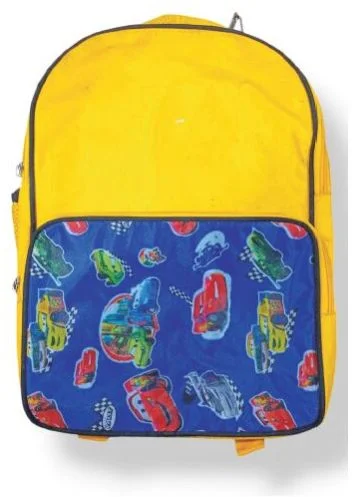
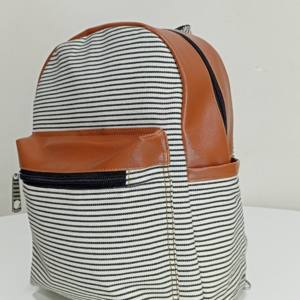
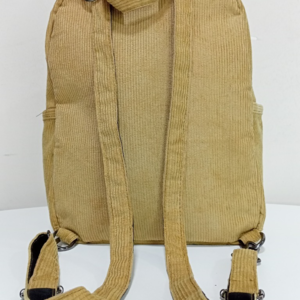
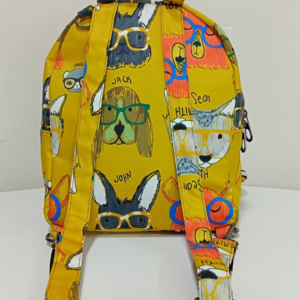
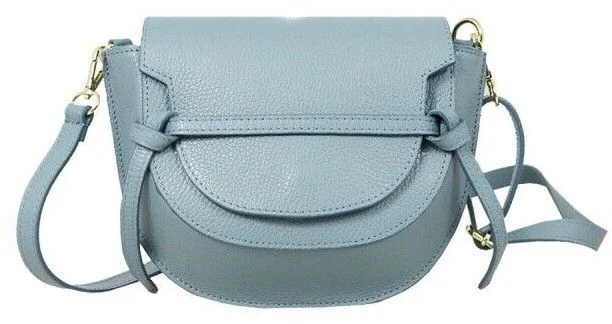
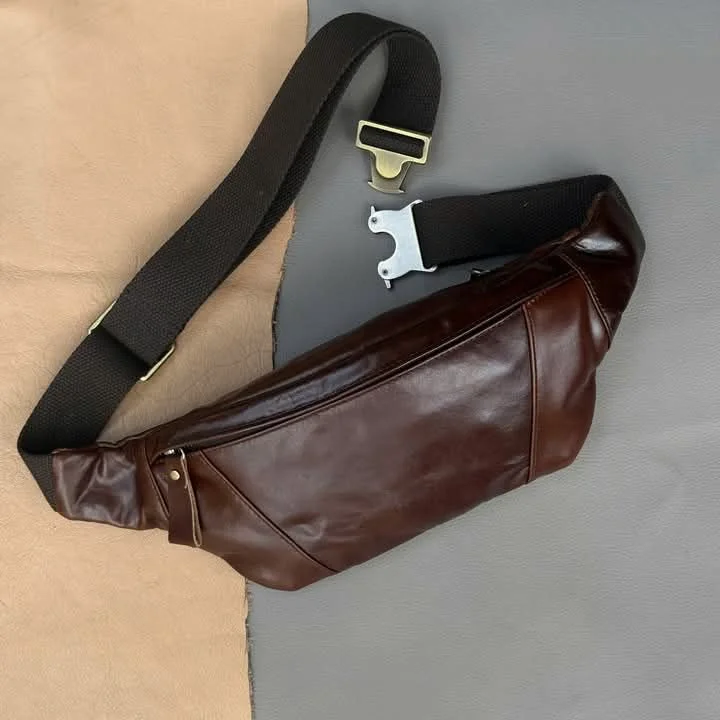
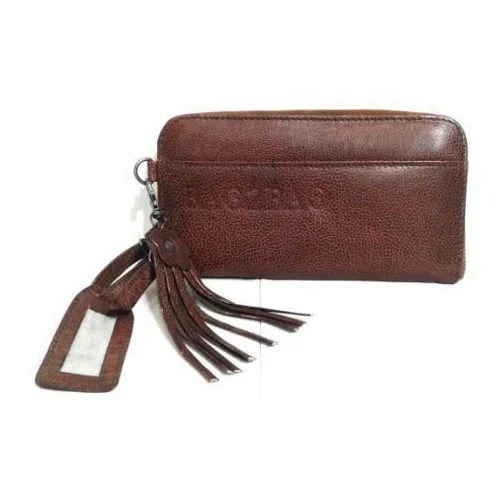
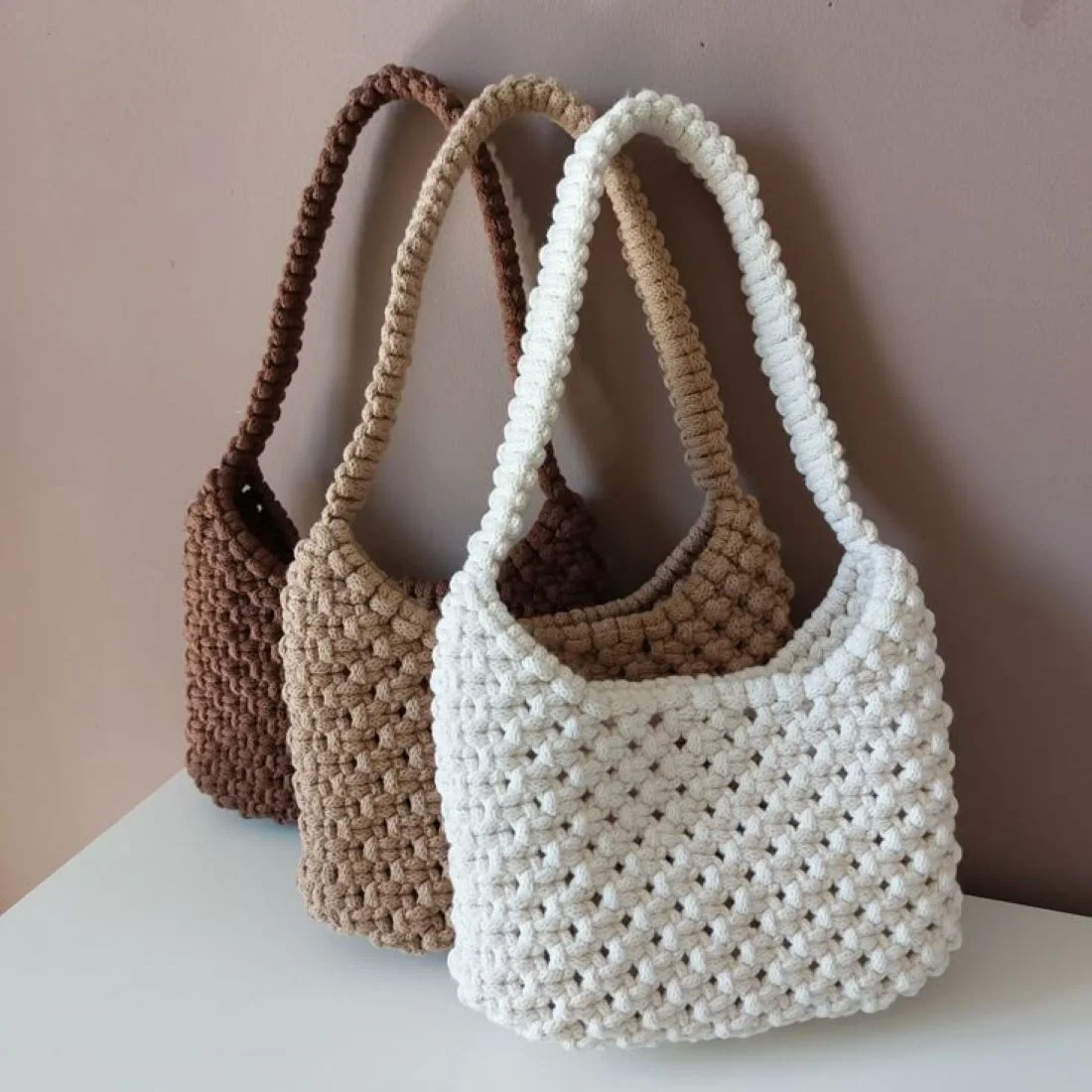
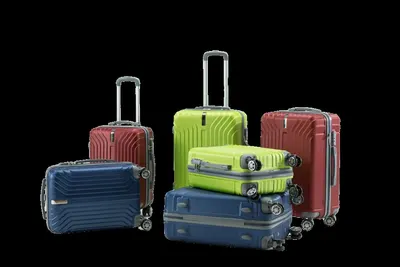
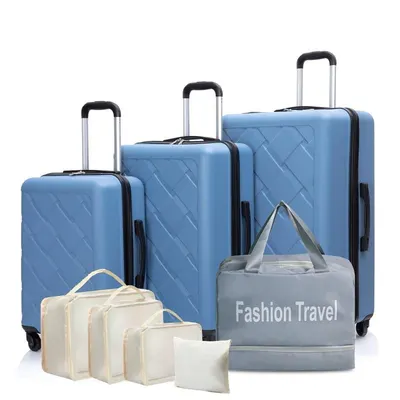
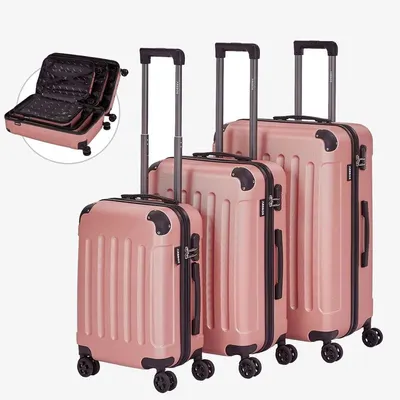
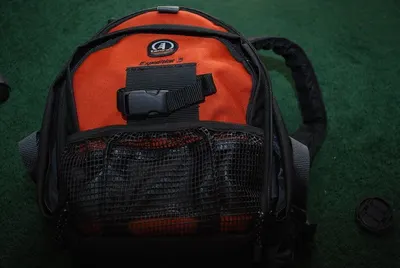
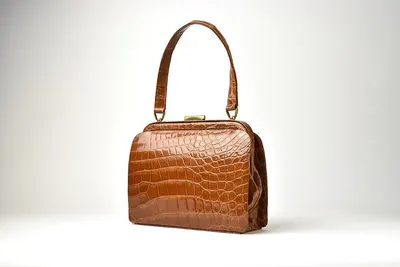
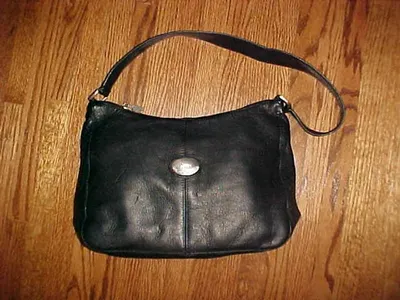
China lists 18 active product entries under its luggage and bag portfolio. The catalogue includes ladies fashion backpacks, various trolley suitcases with ABS/PC or aluminum frames, lightweight polyester travel cases, leather handbags and wallets, and assorted baggage accessories. All items fall within HS Chapter 42, primarily sub‑heading 4202 for luggage and 4201 for bags, which is the standard classification used by customs for such goods. The product descriptions reveal material mixes such as ABS‑PC blends, pure polycarbonate (PC), aluminum alloy frames, and full‑grain leather. Typical industry specifications for these materials include impact resistance of 80‑120 J for ABS‑PC, tensile strength of 70‑100 MPa for PC, and aluminum frame thickness of 0.5‑1.0 mm. Trolley models commonly feature four‑wheel systems rated for 30‑45 kg load, while backpacks use polyester fabrics with a minimum denier of 600 and reinforced stitching. These technical attributes are standard references used by international buyers when evaluating luggage quality.
Product Range and Specialties of Winfi Luggages & Bags Manufacturer
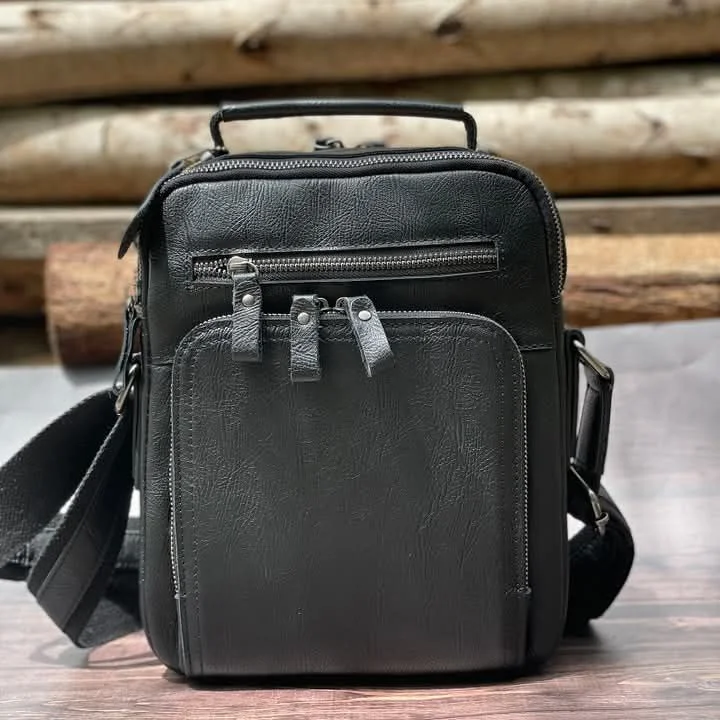
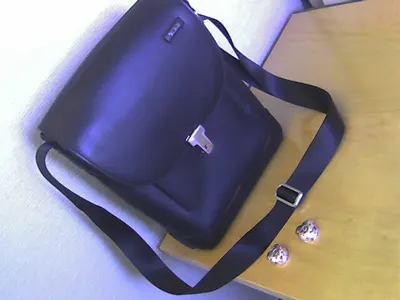
The supplier’s catalogue covers three core groups: (1) backpacks - both casual and fashion‑oriented models, (2) trolley suitcases - offered in ABS‑PC alloy, pure PC, and aluminum‑frame constructions, and (3) leather accessories - including handbags, wallets and men’s leather bags. In the broader luggage market, backpacks are typically graded by volume (liters) and fabric denier, while trolley suitcases are classified by frame material, wheel type (rubber or polyurethane) and internal compartment layout. Industry practice for these categories includes ISO 9001 quality management, CE marking for EU markets, and REACH compliance for chemical safety. Common grades for ABS‑PC blends are classified as “high impact” with a melt flow index (MFI) of 8‑12 g/10 min, while aluminum frames are usually anodized to meet ASTM B117 corrosion standards. Buyers often request test reports such as drop‑test, wheel load‑capacity, and zipper durability (YKK or equivalent) to verify conformity with these benchmarks.
Frequently Asked Questions About Winfi Luggages & Bags Manufacturer
What product categories does Winfi Luggages & Bags Manufacturer list?
The catalogue includes backpacks, trolley suitcases with ABS‑PC, PC or aluminum frames, lightweight polyester travel cases, leather handbags, wallets and other baggage accessories.
Which HS codes are typically applied to the listed luggage items?
Exports are generally classified under HS 4202 for suitcases and trolley luggage and HS 4201 for leather bags and handbags.
What material specifications should a buyer verify?
Buyers should check ABS‑PC impact resistance (80‑120 J), PC tensile strength (70‑100 MPa), aluminum frame thickness (0.5‑1.0 mm) and polyester fabric denier (minimum 600).
Are any certifications required for these products?
International buyers often require ISO 9001 quality management, CE marking for EU markets and REACH compliance for chemical safety; the supplier’s certificates should be requested.
What is a typical minimum order quantity and lead time?
MOQ usually starts at 100 units per trolley model, with a production lead time of 30‑45 days after sample approval.
ChinaRelated Suppliers & Products
Explore similar suppliers, related products and trending categories