Vinh Hung Tcc Jsc. — Supplier
About Vinh Hung Tcc Jsc. - Bearing Supplier in Viet Nam
Vinh Hung Tcc Jsc. is based in Viet Nam and currently lists 39 active products across bearings, expansion joints, handrails, noise barriers and related hardware. The catalogue references HS‑code families such as 4016 (elastomeric bearings), 8483 (pot and bridge bearings), 7610 and 7604 (aluminium expansion joints), 7308 (galvanised steel fittings) and 7318 (noise barrier panels). Materials range from neoprene‑reinforced rubber, carbon and stainless steel to aluminium alloys 6061‑T6 and 6063‑T5. Each entry specifies the primary material and, where provided, the exact HS code, indicating a focus on structural and bridge‑construction components.
The product set includes elastomeric and pot bearings for bridges, finger and modular expansion joints for movement accommodation, and handrail or parapet systems for safety. Several items cite high‑strength steel housings with PTFE sliding surfaces, while others use hot‑dip galvanised steel or stainless steel 304 for corrosion resistance. Noise‑barrier products are listed with galvanised or stainless steel skins, and aluminium‑alloy strip‑seal joints are offered for lightweight applications. The mix of steel, aluminium and rubber materials reflects typical specifications for civil‑infrastructure hardware.
Product Range and Specialties of Vinh Hung Tcc Jsc.
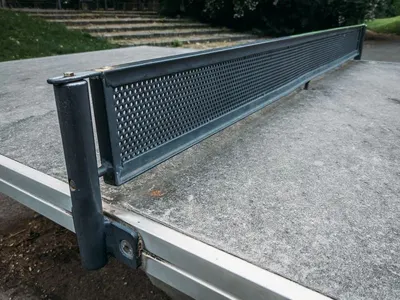
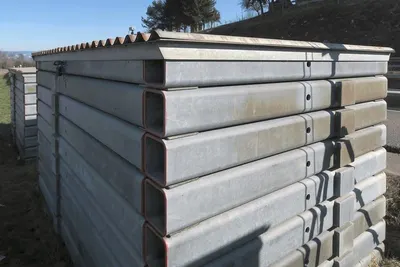
The catalogue covers elastomeric bearings (HS 4016) that are commonly manufactured with neoprene or NBR compounds meeting ASTM D2000 hardness grades from A to D, and steel plates complying with ASTM A36 or EN 10210. Pot and bridge bearings (HS 8483) usually incorporate PTFE sliding layers and elastomeric pads designed to support loads from a few tonnes up to several hundred tonnes, with standard dimensions such as 300 mm × 300 mm × 150 mm. Aluminium finger and modular expansion joints (HS 7610, 7604) are typically produced from 6000‑series alloys, offering tensile strengths around 310 MPa and corrosion‑resistant anodised finishes. Handrails and parapet balustrades are fabricated from hot‑dip galvanised steel or stainless‑steel 304, often conforming to EN 1337 for load‑bearing capacity and surface finish. Noise‑barrier panels frequently use galvanised steel cores with perforated designs, meeting acoustic insertion loss standards used in highway projects.
Trade and Export Information - Vinh Hung Tcc Jsc.
Vietnam exports structural steel and aluminium construction components primarily to Southeast Asian neighbours, the Middle East, Africa and parts of Europe. HS‑code 8483 (bridge and pot bearings) and 7610/7604 (aluminium expansion joints) are routinely inspected under the Vietnam Ministry of Industry’s customs procedures, with buyers often requesting certificates of conformity such as CE marking or ISO 9001 quality‑system audit reports. Typical import requirements include material test certificates, corrosion‑resistance reports and, for PTFE‑lined bearings, compliance with ASTM F104 or EN 1337‑5. Shipments are usually containerised in 20‑ft or 40‑ft units, with steel‑framed pallets or wooden crates to protect the bearing pads and aluminium strips during sea freight. Common Incoterms are FOB Ho Chi Minh City or CIF ports such as Da Nang, reflecting the country’s established maritime logistics network.
Sourcing from Vinh Hung Tcc Jsc. - Buyer Guidance
When sourcing bearings or expansion joints from Vinh Hung Tcc Jsc., request a full material test report (MTR) indicating rubber hardness, steel grade, PTFE thickness and load‑capacity verification according to ASTM F104 or EN 1337‑5. Ask for a declaration of conformity that covers any applicable CE or ISO standards, as well as corrosion‑protection coating thickness measurements for steel or aluminium items. Verify that the HS code on the commercial invoice matches the product description, and confirm packaging details (e.g., wooden crates with internal cushioning) to avoid damage to elastomeric pads during transit.
Frequently Asked Questions About Vinh Hung Tcc Jsc.
What types of bearing products does Vinh Hung Tcc Jsc. list?
The supplier lists elastomeric bearings (HS 4016), pot and bridge bearings (HS 8483) and guided or free‑sliding pot bearings, all using neoprene or NBR elastomers combined with carbon or stainless steel housings.
Which materials are used for the expansion joints?
Expansion joints are offered in aluminium alloys 6061‑T6 / 6063‑T5, stainless‑steel 304, carbon steel with zinc plating, and include rubber liners of EPDM or NBR for sealing.
Are noise‑barrier products covered by a specific HS code?
Noise‑barrier items appear under HS 7318 19 (hot‑dip galvanised steel or stainless‑steel panels) and HS 7308 90 for strip‑seal variants with galvanised or stainless steel skins.
What certification documents should a buyer request?
Buyers should request ISO 9001 quality‑system certificates, CE declarations of conformity where applicable, and material test reports that verify steel grades, aluminium alloy specifications and elastomer hardness.
What are typical packaging methods for these products?
Large bearing units and aluminium expansion joints are commonly packed in wooden crates with internal bracing, while handrail sections and noise‑barrier panels are often palletised and shrink‑wrapped for container loading.
Which markets commonly import these Vietnamese construction hardware items?
Key import regions include Southeast Asia, the Middle East, African construction markets and European countries that source bridge‑bearing and expansion‑joint components for infrastructure projects.
What HS codes are associated with the handrail and balustrade products?
Handrail and parapet balustrade items are generally classified under HS 7308 90 for galvanized or stainless‑steel fittings, matching the supplier’s catalogue entries.
What lead times and MOQ should a buyer expect?
Typical lead times range from 4 to 8 weeks after order confirmation, with minimum order quantities varying by product type - often a single bearing unit or a pallet of aluminium joint strips.




 , Viet Nam