Veterinary Import-Export Authority CC — Supplier

About Veterinary Import-Export Authority CC - Livestock Supplier in South Africa

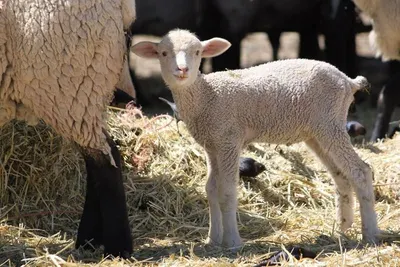
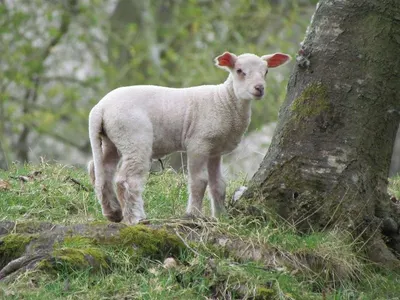
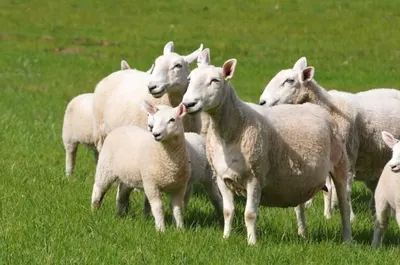
South Africa is the base of Veterinary Import-Export Authority CC, which currently lists twelve distinct live‑animal products in its catalogue. The supplier focuses on livestock and other live animals for breeding, production improvement and wildlife display, covering both domestic cattle, goats, sheep and game species. Its portfolio is organized under the broad categories of Livestock and Live Animals, matching HS Chapter 01 for live‑animal exports. The company’s activities include animal sourcing, health screening, quarantine, crating and freight to destination ports. All listed animals are sourced from registered breeders with documented disease‑free status.

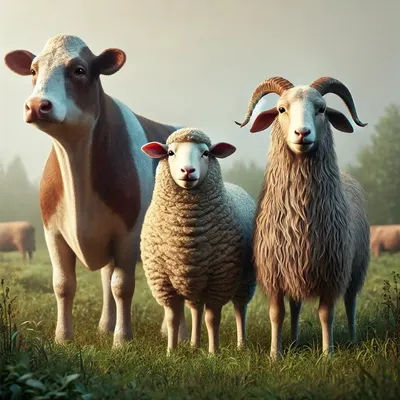
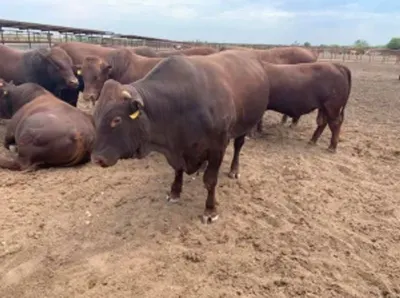
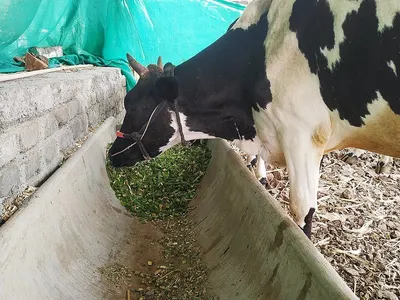
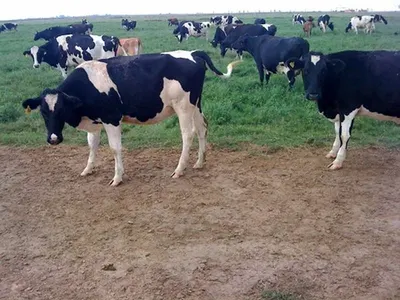
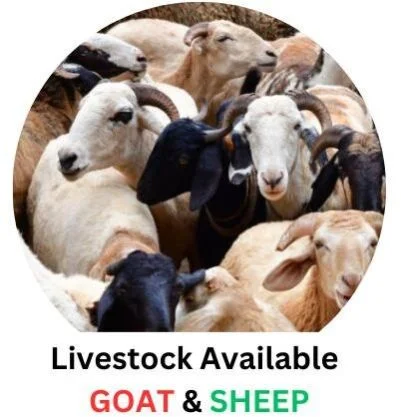
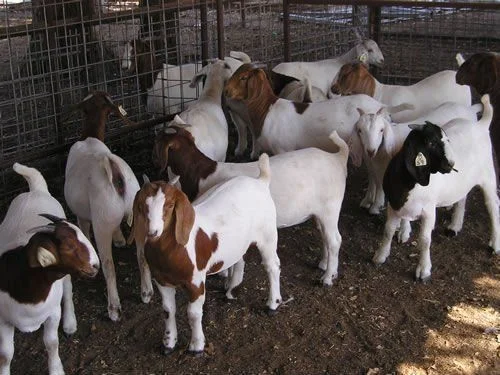
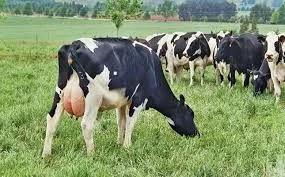
The catalogue details specific breeds such as Holstein/Friesian bulls and heifer calves, Jersey bulls and heifers, Boer goat bucks and doelings, Van Rooy and Kalahari Red rams and ewes, and Dorper rams and ewes. Each entry represents a live animal intended for dairy, meat or breeding programmes, or for zoo and reserve collections. Export preparation includes veterinary health certificates, CITES permits for wildlife where applicable, and compliance with South African Department of Agriculture regulations. The supplier also offers training for caretakers at the destination. No other product types are listed.

Product Range and Specialties of Veterinary Import-Export Authority CC

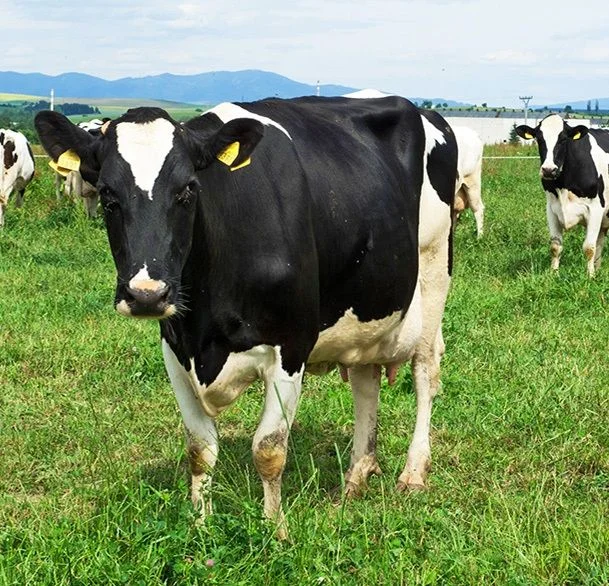
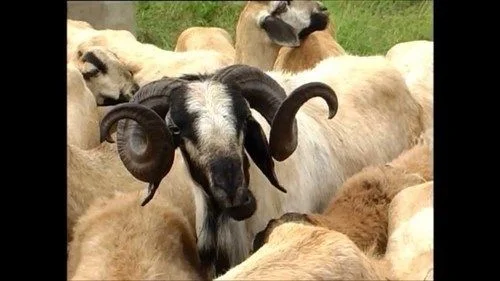
The listed breeds correspond to well‑known industry grades: Holstein/Friesian cattle are prized for high milk yield (often >9,000 L per lactation), Jersey cattle for elevated butter‑fat content (≈5 %); Boer goats are a standard meat breed with rapid growth rates; Van Rooy and Kalahori Red sheep are adapted to arid climates and are valued for both meat and skin; Dorper sheep are a dual‑purpose breed noted for carcass quality. Buyers typically request age, weight, pedigree verification and a clean health record for each animal. South African livestock exporters normally adhere to OIE (World Organisation for Animal Health) guidelines, including mandatory veterinary inspections, serological testing for brucellosis, tuberculosis and foot‑and‑mouth disease, and documentation of de‑worming protocols.

Trade and Export Information - Veterinary Import-Export Authority CC

Live‑animal exports from South Africa fall under HS Chapter 01 (e.g., 0101 for horses, 0102 for bovine, 0103 for swine, 0104 for sheep, 0105 for goats, 0106 for other live animals). Primary markets for South African livestock include the European Union, the Middle East (UAE, Saudi Arabia), East Africa (Kenya, Tanzania) and selected Asian destinations such as China and Japan. Importers usually require a veterinary health certificate, an export permit issued by the Department of Agriculture, Forestry and Fisheries, and, for wildlife, a CITES permit. Shipping is performed in ventilated steel or aluminum crates that meet IATA Live Animals Regulations; containerised sea freight uses 20‑ft or 40‑ft refrigerated containers with temperature control for sensitive breeds. Typical Incoterms are CIF or FOB, with quarantine facilities at major ports such as Durban and Cape Town handling pre‑export inspections.

Sourcing from Veterinary Import-Export Authority CC - Buyer Guidance

When sourcing from Veterinary Import-Export Authority CC, buyers should request the latest veterinary health certificate, a full pedigree register, and, for game animals, a valid CITES export permit. Confirm that the breeding herd is listed in South Africa’s disease‑free registry and that pre‑export quarantine of at least 21 days has been completed. Verify the specifications of the transport crates (ventilation rate, dimensions, bedding) and request a loading plan that shows animal welfare measures during transit. Lead times for breeding stock usually range from four to eight weeks after order confirmation, and minimum order quantities are generally one animal per breed, although larger breeding programmes may negotiate batch shipments.

Frequently Asked Questions About Veterinary Import-Export Authority CC

What types of live animals does Veterinary Import-Export Authority CC list in its catalogue?

The catalogue includes Holstein/Friesian bulls and heifer calves, Jersey bulls and heifers, Boer goat bucks and doelings, Van Rooy rams and ewes, Kalahari Red rams and ewes, and Dorper rams and ewes, totaling twelve distinct product entries.

Which HS code chapter applies to the animals offered by this supplier?

All listed products fall under HS Chapter 01 - Live Animals, with sub‑headings such as 0102 for bovine, 0105 for goats and 0104 for sheep.

What documentation should a buyer request before purchasing live livestock from this supplier?

Buyers should obtain a current veterinary health certificate, a pedigree or breed registration document, an export permit from the South African Department of Agriculture, and, for wildlife, a CITES export permit.

What are the typical quarantine and health requirements for these animals?

South African export regulations require a minimum 21‑day quarantine, negative tests for brucellosis, tuberculosis and foot‑and‑mouth disease, and proof of de‑worming within the last 30 days.

What packaging and transport methods are used for the live animals?

Animals are shipped in IATA‑compliant ventilated steel or aluminum crates, often consolidated in 20‑ft or 40‑ft refrigerated containers for sea freight, with temperature and humidity controls as needed.

What are the usual lead times and minimum order quantities for a single breed?

Lead times typically range from four to eight weeks after order confirmation. The minimum order is generally one animal per breed, although larger breeding programmes may arrange batch shipments.

Which markets commonly import the types of livestock exported by this South African supplier?

Key import markets include the European Union, the United Arab Emirates, Saudi Arabia, Kenya, Tanzania and Asian destinations such as China and Japan, where buyers seek dairy, meat and breeding stock or zoo animals.

How can a buyer verify the disease‑free status of the source breeders?

Buyers should request the breeder’s registration number and a copy of the South African disease‑free herd certification issued by the Department of Agriculture, which confirms absence of major livestock diseases.


Featured Products from this Supplier

Other Suppliers in Primary Category

Related Products

Trending in Parent Category

More Suppliers in Category

Related Products

Other Suppliers

EximNext
7.1K+ live requirements
Register Free🎁 Reach global buyers
Post Requirement
🌍 Trusted by 225K+ businesses in 200+ countries|
7.1K+ active requirements right now
✉️ [email protected]
|
Sell on EximNextPost Requirement
EximNext
AgricultureApparelConstructionElectronicFoodHomeIndustrialMineralsMiscellaneous
🔥 Deals|✨ AI Match|🏭 Suppliers|📋 Buy Leads|💰 Trade Finance
7.1K+ live RFQs·194.8K+ suppliers
🎁 Reach global buyers →
EximNext
EximNext
Register Free
🎁 Reach global buyers
Sign In
📋Post Requirement💬Get Quotes✨AI Match📋RFQ Marketplace
All Categories
Services & Tools
🏭Supplier Directory🔥Today's Deals💰Trade Finance
Sell on EximNext →
AboutContactBlogHelp
Global Trade  ·  South Africa
12
products listed

Veterinary Import-Export Authority CC

⚓ Harbor
Country flag , South AfricaNew supplier / no reviews yet
🛡️
56/100
Trust Score

Veterinary Import-Export Authority CC Product Catalog

Showing 12 of 12 products
View all products →
Dorper Sheep Ewe
⚓ Harbor
Dorper Sheep Ewe
Contact
MOQ: 1 Unit
Dorper Sheep Ram
⚓ Harbor
Dorper Sheep Ram
Contact
MOQ: 1 Unit
Kalahari Red Ewe
⚓ Harbor
Kalahari Red Ewe
Contact
MOQ: 1 Unit
Van Rooy Ewe
⚓ Harbor
Van Rooy Ewe
Contact
MOQ: 1 Unit
Kalahari Red Ram
⚓ Harbor
Kalahari Red Ram
Contact
MOQ: 1 Unit
Van Rooy Ram
⚓ Harbor
Van Rooy Ram
Contact
MOQ: 1 Unit
Boergoat Doelings
⚓ Harbor
Boergoat Doelings
Contact
MOQ: 1 Unit
Boergoat Bucks
⚓ Harbor
Boergoat Bucks
Contact
MOQ: 1 Unit
Jersey Heifers Calf
⚓ Harbor
Jersey Heifers Calf
Contact
MOQ: 1 Unit
Jersey Bulls For Breeding Purposes
⚓ Harbor
Jersey Bulls For Breeding Purposes
Contact
MOQ: 1 Unit
Holstein/Friesian Heifers Calf
⚓ Harbor
Holstein/Friesian Heifers Calf
Contact
MOQ: 1 Unit
Holstein/Friesian Bulls for Breeding Purposes
⚓ Harbor
Holstein/Friesian Bulls for Breeding Purposes
Contact
MOQ: 1 Unit

About Veterinary Import-Export Authority CC - Livestock Supplier in South Africa

South Africa is the base of Veterinary Import-Export Authority CC, which currently lists twelve distinct live‑animal products in its catalogue. The supplier focuses on livestock and other live animals for breeding, production improvement and wildlife display, covering both domestic cattle, goats, sheep and game species. Its portfolio is organized under the broad categories of Livestock and Live Animals, matching HS Chapter 01 for live‑animal exports. The company’s activities include animal sourcing, health screening, quarantine, crating and freight to destination ports. All listed animals are sourced from registered breeders with documented disease‑free status.

The catalogue details specific breeds such as Holstein/Friesian bulls and heifer calves, Jersey bulls and heifers, Boer goat bucks and doelings, Van Rooy and Kalahari Red rams and ewes, and Dorper rams and ewes. Each entry represents a live animal intended for dairy, meat or breeding programmes, or for zoo and reserve collections. Export preparation includes veterinary health certificates, CITES permits for wildlife where applicable, and compliance with South African Department of Agriculture regulations. The supplier also offers training for caretakers at the destination. No other product types are listed.

Product Range and Specialties of Veterinary Import-Export Authority CC

The listed breeds correspond to well‑known industry grades: Holstein/Friesian cattle are prized for high milk yield (often >9,000 L per lactation), Jersey cattle for elevated butter‑fat content (≈5 %); Boer goats are a standard meat breed with rapid growth rates; Van Rooy and Kalahori Red sheep are adapted to arid climates and are valued for both meat and skin; Dorper sheep are a dual‑purpose breed noted for carcass quality. Buyers typically request age, weight, pedigree verification and a clean health record for each animal. South African livestock exporters normally adhere to OIE (World Organisation for Animal Health) guidelines, including mandatory veterinary inspections, serological testing for brucellosis, tuberculosis and foot‑and‑mouth disease, and documentation of de‑worming protocols.

Trade and Export Information - Veterinary Import-Export Authority CC

Live‑animal exports from South Africa fall under HS Chapter 01 (e.g., 0101 for horses, 0102 for bovine, 0103 for swine, 0104 for sheep, 0105 for goats, 0106 for other live animals). Primary markets for South African livestock include the European Union, the Middle East (UAE, Saudi Arabia), East Africa (Kenya, Tanzania) and selected Asian destinations such as China and Japan. Importers usually require a veterinary health certificate, an export permit issued by the Department of Agriculture, Forestry and Fisheries, and, for wildlife, a CITES permit. Shipping is performed in ventilated steel or aluminum crates that meet IATA Live Animals Regulations; containerised sea freight uses 20‑ft or 40‑ft refrigerated containers with temperature control for sensitive breeds. Typical Incoterms are CIF or FOB, with quarantine facilities at major ports such as Durban and Cape Town handling pre‑export inspections.

Sourcing from Veterinary Import-Export Authority CC - Buyer Guidance

When sourcing from Veterinary Import-Export Authority CC, buyers should request the latest veterinary health certificate, a full pedigree register, and, for game animals, a valid CITES export permit. Confirm that the breeding herd is listed in South Africa’s disease‑free registry and that pre‑export quarantine of at least 21 days has been completed. Verify the specifications of the transport crates (ventilation rate, dimensions, bedding) and request a loading plan that shows animal welfare measures during transit. Lead times for breeding stock usually range from four to eight weeks after order confirmation, and minimum order quantities are generally one animal per breed, although larger breeding programmes may negotiate batch shipments.

Frequently Asked Questions About Veterinary Import-Export Authority CC

What types of live animals does Veterinary Import-Export Authority CC list in its catalogue?

The catalogue includes Holstein/Friesian bulls and heifer calves, Jersey bulls and heifers, Boer goat bucks and doelings, Van Rooy rams and ewes, Kalahari Red rams and ewes, and Dorper rams and ewes, totaling twelve distinct product entries.

Which HS code chapter applies to the animals offered by this supplier?

All listed products fall under HS Chapter 01 - Live Animals, with sub‑headings such as 0102 for bovine, 0105 for goats and 0104 for sheep.

What documentation should a buyer request before purchasing live livestock from this supplier?

Buyers should obtain a current veterinary health certificate, a pedigree or breed registration document, an export permit from the South African Department of Agriculture, and, for wildlife, a CITES export permit.

What are the typical quarantine and health requirements for these animals?

South African export regulations require a minimum 21‑day quarantine, negative tests for brucellosis, tuberculosis and foot‑and‑mouth disease, and proof of de‑worming within the last 30 days.

What packaging and transport methods are used for the live animals?

Animals are shipped in IATA‑compliant ventilated steel or aluminum crates, often consolidated in 20‑ft or 40‑ft refrigerated containers for sea freight, with temperature and humidity controls as needed.

What are the usual lead times and minimum order quantities for a single breed?

Lead times typically range from four to eight weeks after order confirmation. The minimum order is generally one animal per breed, although larger breeding programmes may arrange batch shipments.

Which markets commonly import the types of livestock exported by this South African supplier?

Key import markets include the European Union, the United Arab Emirates, Saudi Arabia, Kenya, Tanzania and Asian destinations such as China and Japan, where buyers seek dairy, meat and breeding stock or zoo animals.

How can a buyer verify the disease‑free status of the source breeders?

Buyers should request the breeder’s registration number and a copy of the South African disease‑free herd certification issued by the Department of Agriculture, which confirms absence of major livestock diseases.

About Veterinary Import-Export Authority CC - Livestock Supplier in South Africa

South Africa is the base of Veterinary Import-Export Authority CC, which currently lists twelve distinct live‑animal products in its catalogue. The supplier focuses on livestock and other live animals for breeding, production improvement and wildlife display, covering both domestic cattle, goats, sheep and game species. Its portfolio is organized under the broad categories of Livestock and Live Animals, matching HS Chapter 01 for live‑animal exports. The company’s activities include animal sourcing, health screening, quarantine, crating and freight to destination ports. All listed animals are sourced from registered breeders with documented disease‑free status.

The catalogue details specific breeds such as Holstein/Friesian bulls and heifer calves, Jersey bulls and heifers, Boer goat bucks and doelings, Van Rooy and Kalahari Red rams and ewes, and Dorper rams and ewes. Each entry represents a live animal intended for dairy, meat or breeding programmes, or for zoo and reserve collections. Export preparation includes veterinary health certificates, CITES permits for wildlife where applicable, and compliance with South African Department of Agriculture regulations. The supplier also offers training for caretakers at the destination. No other product types are listed.

Product Range and Specialties of Veterinary Import-Export Authority CC

The listed breeds correspond to well‑known industry grades: Holstein/Friesian cattle are prized for high milk yield (often >9,000 L per lactation), Jersey cattle for elevated butter‑fat content (≈5 %); Boer goats are a standard meat breed with rapid growth rates; Van Rooy and Kalahori Red sheep are adapted to arid climates and are valued for both meat and skin; Dorper sheep are a dual‑purpose breed noted for carcass quality. Buyers typically request age, weight, pedigree verification and a clean health record for each animal. South African livestock exporters normally adhere to OIE (World Organisation for Animal Health) guidelines, including mandatory veterinary inspections, serological testing for brucellosis, tuberculosis and foot‑and‑mouth disease, and documentation of de‑worming protocols.

Trade and Export Information - Veterinary Import-Export Authority CC

Live‑animal exports from South Africa fall under HS Chapter 01 (e.g., 0101 for horses, 0102 for bovine, 0103 for swine, 0104 for sheep, 0105 for goats, 0106 for other live animals). Primary markets for South African livestock include the European Union, the Middle East (UAE, Saudi Arabia), East Africa (Kenya, Tanzania) and selected Asian destinations such as China and Japan. Importers usually require a veterinary health certificate, an export permit issued by the Department of Agriculture, Forestry and Fisheries, and, for wildlife, a CITES permit. Shipping is performed in ventilated steel or aluminum crates that meet IATA Live Animals Regulations; containerised sea freight uses 20‑ft or 40‑ft refrigerated containers with temperature control for sensitive breeds. Typical Incoterms are CIF or FOB, with quarantine facilities at major ports such as Durban and Cape Town handling pre‑export inspections.

Sourcing from Veterinary Import-Export Authority CC - Buyer Guidance

When sourcing from Veterinary Import-Export Authority CC, buyers should request the latest veterinary health certificate, a full pedigree register, and, for game animals, a valid CITES export permit. Confirm that the breeding herd is listed in South Africa’s disease‑free registry and that pre‑export quarantine of at least 21 days has been completed. Verify the specifications of the transport crates (ventilation rate, dimensions, bedding) and request a loading plan that shows animal welfare measures during transit. Lead times for breeding stock usually range from four to eight weeks after order confirmation, and minimum order quantities are generally one animal per breed, although larger breeding programmes may negotiate batch shipments.

Frequently Asked Questions About Veterinary Import-Export Authority CC
What types of live animals does Veterinary Import-Export Authority CC list in its catalogue?
The catalogue includes Holstein/Friesian bulls and heifer calves, Jersey bulls and heifers, Boer goat bucks and doelings, Van Rooy rams and ewes, Kalahari Red rams and ewes, and Dorper rams and ewes, totaling twelve distinct product entries.
Which HS code chapter applies to the animals offered by this supplier?
All listed products fall under HS Chapter 01 - Live Animals, with sub‑headings such as 0102 for bovine, 0105 for goats and 0104 for sheep.
What documentation should a buyer request before purchasing live livestock from this supplier?
Buyers should obtain a current veterinary health certificate, a pedigree or breed registration document, an export permit from the South African Department of Agriculture, and, for wildlife, a CITES export permit.
What are the typical quarantine and health requirements for these animals?
South African export regulations require a minimum 21‑day quarantine, negative tests for brucellosis, tuberculosis and foot‑and‑mouth disease, and proof of de‑worming within the last 30 days.
What packaging and transport methods are used for the live animals?
Animals are shipped in IATA‑compliant ventilated steel or aluminum crates, often consolidated in 20‑ft or 40‑ft refrigerated containers for sea freight, with temperature and humidity controls as needed.
What are the usual lead times and minimum order quantities for a single breed?
Lead times typically range from four to eight weeks after order confirmation. The minimum order is generally one animal per breed, although larger breeding programmes may arrange batch shipments.
Which markets commonly import the types of livestock exported by this South African supplier?
Key import markets include the European Union, the United Arab Emirates, Saudi Arabia, Kenya, Tanzania and Asian destinations such as China and Japan, where buyers seek dairy, meat and breeding stock or zoo animals.
How can a buyer verify the disease‑free status of the source breeders?
Buyers should request the breeder’s registration number and a copy of the South African disease‑free herd certification issued by the Department of Agriculture, which confirms absence of major livestock diseases.

Veterinary Import-Export Authority CC
Country flag South Africa
⚓ HarborGlobal Trade
56/100
Trust Score
12
Products
✓ Free to contact — no commission
✓ Escrow payment available
✓ Verified business identity
Compare more suppliers
Post a requirement — get 10 quotes free
Let verified suppliers compete for your business. Free, fast, no commitment.
Due Diligence
Verify this supplier's real shipping history.
Every shipment, every buyer, every port. Trade data that can't be faked.
Run due diligence →
Discover More

Related Suppliers & Products

Explore similar suppliers, related products and trending categories

Featured Products from this Supplier

Other Suppliers in Primary Category

Related Products

Trending in Parent Category

More Suppliers in Category

Stay ahead in global trade
Weekly market insights & new supplier alerts.
EximNext
Exim Next is a leading global B2B marketplace, connecting over 220,000 registered suppliers and buyers across 200+ countries. As a trusted import export marketplace, it serves as the essential B2B portal for businesses worldwide, empowering them to expand their international reach. With Exim Next, businesses can trade smarter and grow faster.
SECURE PAYMENTS
VISAMastercardPayPalSWIFTL/CEscrow
Follow us
© 2026 EximNext