Tulsi Extrusions Limited — Verified Supplier

About Tulsi Extrusions Limited - Flanges Supplier in India

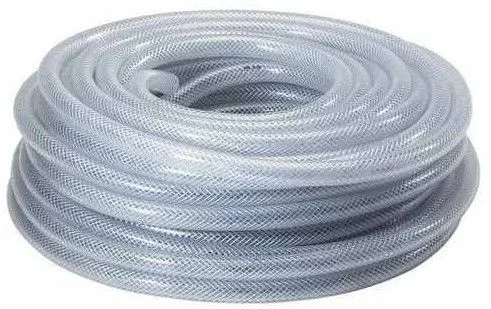
Based in India, Tulsi Extrusions Limited lists six active products in its catalogue. The portfolio covers PVC, CPVC, RPVC, uPVC, and HDPE pipe families, each classified under HS Chapter 39 with codes 3917.23 for PVC‑type pipes, 3917.21 for HDPE pipes, and 3917.40 for uPVC pipes. Materials include unplasticized PVC, chlorinated PVC (Typ I Grade IV), and high‑density polyethylene grades PE‑100, PE‑80 and PE‑63. In addition to pipe products, the company lists water tanks, which fall under the same chapter but without a specific HS code in the provided data. All items are positioned within the broader categories of flanges and storage tanks as indicated by the supplier’s top‑category tags.

Product Range and Specialties of Tulsi Extrusions Limited

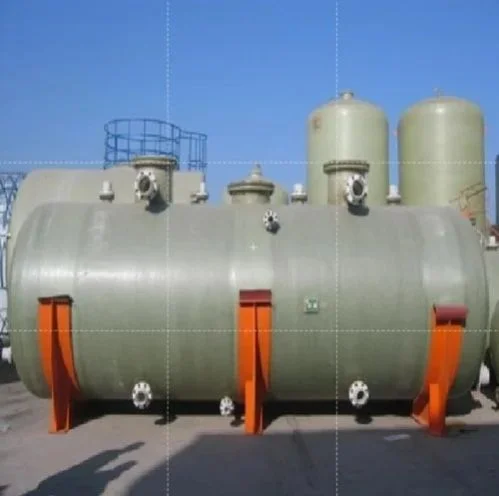
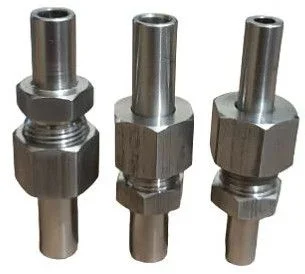
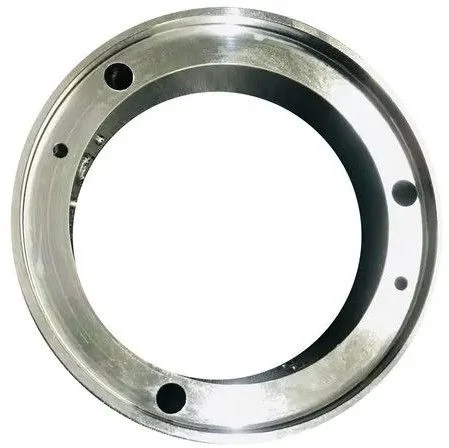
Tulsi Extrusions Limited’s catalogue lists PVC, CPVC, RPVC, uPVC and HDPE pipes together with water tanks. PVC and uPVC pipes are generally produced to ISO 4427 or ASTM D1785 specifications, with pressure ratings up to PN 16 (16 bar) and wall thicknesses defined by SDR (Standard Dimension Ratio) values such as SDR 11, 17 or 21. CPVC Typ I Grade IV conforms to ASTM D2846, offering service temperatures up to 93 °C and pressure classes up to PN 10. HDPE pipe entries reference the PE‑100, PE‑80 and PE‑63 grades, which are tested under ISO 4437 and are suitable for SDR 11 to SDR 21, delivering pressure ratings from PN 6 to PN 25 depending on wall thickness. Water tanks are typically fabricated from the same uPVC material, with capacities ranging from 500 L to several thousand litres, and are designed to meet IS 1239 or equivalent Indian standards for storage vessels. Flanges for these pipe systems are usually made from ductile iron, carbon steel or stainless steel, conforming to IS 2062 or ASTM A105, and are sized according to ANSI B16.5 dimensions.

Trade and Export Information - Tulsi Extrusions Limited

India is a major exporter of polymer pipes and related storage solutions, with the 3917 HS chapter accounting for a significant share of global shipments. Buyers in the Middle East, Africa and Southeast Asia frequently import PVC, CPVC and HDPE pipes for municipal water, irrigation and petrochemical projects. The standard HS codes 3917.21, 3917.23 and 3917.40 are examined during customs clearance, and many importers require a Certificate of Origin, a test report complying with ISO 4427/ISO 4437, and proof of ISO 9001 quality management.

Sourcing from Tulsi Extrusions Limited - Buyer Guidance

When sourcing pipes from Tulsi Extrusions Limited, buyers should request mill test reports that list material grade (e.g., PE‑100, PVC‑ISO 4427), dimensions, pressure class and SDR values. For CPVC and RPVC items, a certification of compliance with ASTM D2846 or IS 1239 is standard, and a sample of a representative pipe length should be examined for wall‑thickness tolerance of ±10 % of nominal. Water tanks should be accompanied by a hydrostatic test report at 1.5 × design pressure and a declaration of conformity to IS 1239. Verification of ISO 9001 certification, if held, or a third‑party quality audit report, helps assess the supplier’s process control.

Frequently Asked Questions About Tulsi Extrusions Limited

What pipe materials does Tulsi Extrusions Limited offer?

The catalogue includes unplasticized PVC (uPVC/RPVC), PVC‑type (uPVC), chlorinated PVC (CPVC Typ I Grade IV), and high‑density polyethylene in PE‑100, PE‑80 and PE‑63 grades.

Which HS codes apply to the listed pipe products?

PVC, CPVC and RPVC pipes are classified under HS 3917.23, HDPE pipes under HS 3917.21, and uPVC pipes under HS 3917.40.

What standards are typically used to assess the quality of these pipes?

PVC and uPVC pipes are commonly tested to ISO 4427 or ASTM D1785, HDPE pipes to ISO 4437, and CPVC pipes to ASTM D2846; pressure ratings are expressed in PN or SDR values.

What documentation should a buyer request before placing an order?

Buyers should ask for a mill test report, material safety data sheet, certificate of origin, and, if available, ISO 9001 or ISO 14001 certification, as well as any third‑party inspection certificates.

What are typical packaging and shipping methods for these products?

Pipes are usually bundled and strapped on wooden pallets, loaded in 20‑ft or 40‑ft containers; water tanks are crated in reinforced wooden boxes. Common Incoterms are FOB from major Indian ports or CIF to the buyer’s destination port.

What are common minimum order quantities and lead times?

Minimum order quantities often start at one 20‑ft container (approximately 1,200 kg of pipe or one tank unit), with lead times ranging from 30 to 45 days after order confirmation, depending on product specifications.

Which regions typically import these types of polymer pipes from India?

Major import markets include the Gulf Cooperation Council countries, East African states such as Kenya and Tanzania, and Southeast Asian nations like Vietnam and the Philippines, where the pipes are used for municipal water, irrigation and industrial fluid systems.


Featured Products from this Supplier

Other Suppliers in Primary Category

Top Trusted Suppliers

Related Products

Trending in Parent Category

More Suppliers in Category

Related Products

Other Suppliers

EximNext
58.5K+ live requirements
Register Free🎁 Reach verified global buyers
Post Requirement
🌍 Trusted by 224.6K+ businesses in 200+ countries|
58.5K+ active requirements right now
✉️ [email protected]
|
Sell on EximNextPost Requirement
EximNext
AgricultureApparelConstructionElectronicFoodHomeIndustrialMineralsMiscellaneous
🔥 Deals|✨ AI Match|🏭 Suppliers|📋 Buy Leads|💰 Trade Finance
58.5K+ live RFQs·194.6K+ suppliers
🎁 Reach global buyers →
EximNext
EximNext
Register Free
🎁 Reach verified global buyers
Sign In
📋Post Requirement💬Get QuotesAI Match📋RFQ Marketplace
All Categories
Services & Tools
🏭Supplier Directory🔥Today's Deals💰Trade Finance
Sell on EximNext
AboutContactBlogHelp
🏭

Tulsi Extrusions Limited

Harbor
Country flag , India
🛡️
54/100
Trust Score

Tulsi Extrusions Limited Product Catalog

Showing 6 of 6 products
View all products →
PVC Pipes
Harbor
PVC Pipes
Contact
MOQ: 1 Unit
HDPE Pipes
Harbor
HDPE Pipes
Contact
MOQ: 1 Unit
CPVC Pipes
Harbor
CPVC Pipes
Contact
MOQ: 1 Unit
RPVC Pipes
Harbor
RPVC Pipes
Contact
MOQ: 1 Unit
Water Tanks
Harbor
Water Tanks
Contact
MOQ: 1 Unit
UPVC Pipes
Harbor
UPVC Pipes
Contact
MOQ: 1 Unit

About Tulsi Extrusions Limited - Flanges Supplier in India

Based in India, Tulsi Extrusions Limited lists six active products in its catalogue. The portfolio covers PVC, CPVC, RPVC, uPVC, and HDPE pipe families, each classified under HS Chapter 39 with codes 3917.23 for PVC‑type pipes, 3917.21 for HDPE pipes, and 3917.40 for uPVC pipes. Materials include unplasticized PVC, chlorinated PVC (Typ I Grade IV), and high‑density polyethylene grades PE‑100, PE‑80 and PE‑63. In addition to pipe products, the company lists water tanks, which fall under the same chapter but without a specific HS code in the provided data. All items are positioned within the broader categories of flanges and storage tanks as indicated by the supplier’s top‑category tags.

Product Range and Specialties of Tulsi Extrusions Limited

Tulsi Extrusions Limited’s catalogue lists PVC, CPVC, RPVC, uPVC and HDPE pipes together with water tanks. PVC and uPVC pipes are generally produced to ISO 4427 or ASTM D1785 specifications, with pressure ratings up to PN 16 (16 bar) and wall thicknesses defined by SDR (Standard Dimension Ratio) values such as SDR 11, 17 or 21. CPVC Typ I Grade IV conforms to ASTM D2846, offering service temperatures up to 93 °C and pressure classes up to PN 10. HDPE pipe entries reference the PE‑100, PE‑80 and PE‑63 grades, which are tested under ISO 4437 and are suitable for SDR 11 to SDR 21, delivering pressure ratings from PN 6 to PN 25 depending on wall thickness. Water tanks are typically fabricated from the same uPVC material, with capacities ranging from 500 L to several thousand litres, and are designed to meet IS 1239 or equivalent Indian standards for storage vessels. Flanges for these pipe systems are usually made from ductile iron, carbon steel or stainless steel, conforming to IS 2062 or ASTM A105, and are sized according to ANSI B16.5 dimensions.

Trade and Export Information - Tulsi Extrusions Limited

India is a major exporter of polymer pipes and related storage solutions, with the 3917 HS chapter accounting for a significant share of global shipments. Buyers in the Middle East, Africa and Southeast Asia frequently import PVC, CPVC and HDPE pipes for municipal water, irrigation and petrochemical projects. The standard HS codes 3917.21, 3917.23 and 3917.40 are examined during customs clearance, and many importers require a Certificate of Origin, a test report complying with ISO 4427/ISO 4437, and proof of ISO 9001 quality management.

Sourcing from Tulsi Extrusions Limited - Buyer Guidance

When sourcing pipes from Tulsi Extrusions Limited, buyers should request mill test reports that list material grade (e.g., PE‑100, PVC‑ISO 4427), dimensions, pressure class and SDR values. For CPVC and RPVC items, a certification of compliance with ASTM D2846 or IS 1239 is standard, and a sample of a representative pipe length should be examined for wall‑thickness tolerance of ±10 % of nominal. Water tanks should be accompanied by a hydrostatic test report at 1.5 × design pressure and a declaration of conformity to IS 1239. Verification of ISO 9001 certification, if held, or a third‑party quality audit report, helps assess the supplier’s process control.

Frequently Asked Questions About Tulsi Extrusions Limited

What pipe materials does Tulsi Extrusions Limited offer?

The catalogue includes unplasticized PVC (uPVC/RPVC), PVC‑type (uPVC), chlorinated PVC (CPVC Typ I Grade IV), and high‑density polyethylene in PE‑100, PE‑80 and PE‑63 grades.

Which HS codes apply to the listed pipe products?

PVC, CPVC and RPVC pipes are classified under HS 3917.23, HDPE pipes under HS 3917.21, and uPVC pipes under HS 3917.40.

What standards are typically used to assess the quality of these pipes?

PVC and uPVC pipes are commonly tested to ISO 4427 or ASTM D1785, HDPE pipes to ISO 4437, and CPVC pipes to ASTM D2846; pressure ratings are expressed in PN or SDR values.

What documentation should a buyer request before placing an order?

Buyers should ask for a mill test report, material safety data sheet, certificate of origin, and, if available, ISO 9001 or ISO 14001 certification, as well as any third‑party inspection certificates.

What are typical packaging and shipping methods for these products?

Pipes are usually bundled and strapped on wooden pallets, loaded in 20‑ft or 40‑ft containers; water tanks are crated in reinforced wooden boxes. Common Incoterms are FOB from major Indian ports or CIF to the buyer’s destination port.

What are common minimum order quantities and lead times?

Minimum order quantities often start at one 20‑ft container (approximately 1,200 kg of pipe or one tank unit), with lead times ranging from 30 to 45 days after order confirmation, depending on product specifications.

Which regions typically import these types of polymer pipes from India?

Major import markets include the Gulf Cooperation Council countries, East African states such as Kenya and Tanzania, and Southeast Asian nations like Vietnam and the Philippines, where the pipes are used for municipal water, irrigation and industrial fluid systems.

About Tulsi Extrusions Limited - Flanges Supplier in India

Based in India, Tulsi Extrusions Limited lists six active products in its catalogue. The portfolio covers PVC, CPVC, RPVC, uPVC, and HDPE pipe families, each classified under HS Chapter 39 with codes 3917.23 for PVC‑type pipes, 3917.21 for HDPE pipes, and 3917.40 for uPVC pipes. Materials include unplasticized PVC, chlorinated PVC (Typ I Grade IV), and high‑density polyethylene grades PE‑100, PE‑80 and PE‑63. In addition to pipe products, the company lists water tanks, which fall under the same chapter but without a specific HS code in the provided data. All items are positioned within the broader categories of flanges and storage tanks as indicated by the supplier’s top‑category tags.

Product Range and Specialties of Tulsi Extrusions Limited

Tulsi Extrusions Limited’s catalogue lists PVC, CPVC, RPVC, uPVC and HDPE pipes together with water tanks. PVC and uPVC pipes are generally produced to ISO 4427 or ASTM D1785 specifications, with pressure ratings up to PN 16 (16 bar) and wall thicknesses defined by SDR (Standard Dimension Ratio) values such as SDR 11, 17 or 21. CPVC Typ I Grade IV conforms to ASTM D2846, offering service temperatures up to 93 °C and pressure classes up to PN 10. HDPE pipe entries reference the PE‑100, PE‑80 and PE‑63 grades, which are tested under ISO 4437 and are suitable for SDR 11 to SDR 21, delivering pressure ratings from PN 6 to PN 25 depending on wall thickness. Water tanks are typically fabricated from the same uPVC material, with capacities ranging from 500 L to several thousand litres, and are designed to meet IS 1239 or equivalent Indian standards for storage vessels. Flanges for these pipe systems are usually made from ductile iron, carbon steel or stainless steel, conforming to IS 2062 or ASTM A105, and are sized according to ANSI B16.5 dimensions.

Trade and Export Information - Tulsi Extrusions Limited

India is a major exporter of polymer pipes and related storage solutions, with the 3917 HS chapter accounting for a significant share of global shipments. Buyers in the Middle East, Africa and Southeast Asia frequently import PVC, CPVC and HDPE pipes for municipal water, irrigation and petrochemical projects. The standard HS codes 3917.21, 3917.23 and 3917.40 are examined during customs clearance, and many importers require a Certificate of Origin, a test report complying with ISO 4427/ISO 4437, and proof of ISO 9001 quality management.

Sourcing from Tulsi Extrusions Limited - Buyer Guidance

When sourcing pipes from Tulsi Extrusions Limited, buyers should request mill test reports that list material grade (e.g., PE‑100, PVC‑ISO 4427), dimensions, pressure class and SDR values. For CPVC and RPVC items, a certification of compliance with ASTM D2846 or IS 1239 is standard, and a sample of a representative pipe length should be examined for wall‑thickness tolerance of ±10 % of nominal. Water tanks should be accompanied by a hydrostatic test report at 1.5 × design pressure and a declaration of conformity to IS 1239. Verification of ISO 9001 certification, if held, or a third‑party quality audit report, helps assess the supplier’s process control.

Frequently Asked Questions About Tulsi Extrusions Limited
What pipe materials does Tulsi Extrusions Limited offer?
The catalogue includes unplasticized PVC (uPVC/RPVC), PVC‑type (uPVC), chlorinated PVC (CPVC Typ I Grade IV), and high‑density polyethylene in PE‑100, PE‑80 and PE‑63 grades.
Which HS codes apply to the listed pipe products?
PVC, CPVC and RPVC pipes are classified under HS 3917.23, HDPE pipes under HS 3917.21, and uPVC pipes under HS 3917.40.
What standards are typically used to assess the quality of these pipes?
PVC and uPVC pipes are commonly tested to ISO 4427 or ASTM D1785, HDPE pipes to ISO 4437, and CPVC pipes to ASTM D2846; pressure ratings are expressed in PN or SDR values.
What documentation should a buyer request before placing an order?
Buyers should ask for a mill test report, material safety data sheet, certificate of origin, and, if available, ISO 9001 or ISO 14001 certification, as well as any third‑party inspection certificates.
What are typical packaging and shipping methods for these products?
Pipes are usually bundled and strapped on wooden pallets, loaded in 20‑ft or 40‑ft containers; water tanks are crated in reinforced wooden boxes. Common Incoterms are FOB from major Indian ports or CIF to the buyer’s destination port.
What are common minimum order quantities and lead times?
Minimum order quantities often start at one 20‑ft container (approximately 1,200 kg of pipe or one tank unit), with lead times ranging from 30 to 45 days after order confirmation, depending on product specifications.
Which regions typically import these types of polymer pipes from India?
Major import markets include the Gulf Cooperation Council countries, East African states such as Kenya and Tanzania, and Southeast Asian nations like Vietnam and the Philippines, where the pipes are used for municipal water, irrigation and industrial fluid systems.

🏭
Tulsi Extrusions Limited
Country flag , India
Harbor
54/100
Trust Score
📦
6
Products
Free to contact — no commission
Escrow payment available
Verified business identity
Compare more suppliers
Post a requirement — get 10 quotes free
Let verified suppliers compete for your business. Free, fast, no commitment.
EximNext Verified Supplier
Business identity verified
Physical address confirmed
Financial history checked
Certifications authenticated
Trade references validated
Due Diligence
Verify this supplier's real shipping history.
Every shipment, every buyer, every port. Trade data that can't be faked.
Run due diligence →
Discover More

Related Suppliers & Products

Explore similar suppliers, related products and trending categories

Featured Products from this Supplier

Other Suppliers in Primary Category

Top Trusted Suppliers

Related Products

Trending in Parent Category

More Suppliers in Category

Stay ahead in global trade
Weekly market insights & new supplier alerts.
EximNext
Exim Next is a leading global B2B marketplace, connecting over 205,000 verified suppliers and buyers across 200+ countries. As a trusted import export marketplace, it serves as the essential B2B portal for businesses worldwide, empowering them to expand their international reach. With Exim Next, businesses can trade smarter and grow faster.
SECURE PAYMENTS
VISAMastercardPayPalSWIFTL/CEscrow
Follow us
© 2026 EximNext