Tubomart Enterprise Co., Ltd. — Verified Supplier
About Tubomart Enterprise Co., Ltd. - Flanges Supplier in China
China‑based Tubomart Enterprise Co., Ltd. lists five active products in its catalogue. The portfolio covers brass‑based fittings that combine brass CZ121 or CW614N with polypropylene random copolymer (PPR) cores, as well as pure PPR pipe fittings classified under HS code 3917.39. It also includes brass ball valves, brass fittings designed for PEX pipe systems (HS 7412.20), and plastic ball valves without a specific HS code in the data. All items fall under the broader industrial hardware segments of Flanges and Industrial Valves & Gauges.
The brass PPR fittings are recorded under HS chapter 74, which covers base metal products, while the PPR‑only fittings are under HS chapter 39 for plastic pipes and fittings. The catalogue does not provide explicit pressure ratings, but the material specifications suggest suitability for domestic water distribution and low‑pressure industrial applications. Brass ball valves and plastic ball valves are listed without HS codes, indicating they may be classified under generic valve categories in customs documentation. The product set reflects a focus on plumbing and fluid‑control components for both new construction and retrofit projects.
Product Range and Specialties of Tubomart Enterprise Co., Ltd.
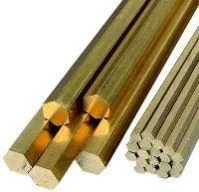
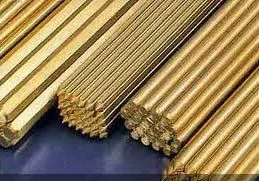
Tubomart’s catalogue features brass‑PPR composite fittings, pure PPR pipe fittings, brass ball valves, brass fittings for PEX pipe systems, and plastic ball valves. Brass components are manufactured from alloys such as CZ121, CW614N, HPb59‑1, DZR CW602N, or C37700, which are common in plumbing hardware for their corrosion resistance and machinability. The PPR fittings use polypropylene random copolymer (PPR Type 3), a material standardised by ISO 15874 for hot‑ and cold‑water distribution.
In the industry, brass fittings are typically supplied in DIN 11851 or ISO 228‑1 dimensions, with pressure classes ranging from PN 10 to PN 25 (0.6 - 2.5 MPa). PPR pipe fittings are usually rated to PN 16 or PN 25 and conform to ASTM F2389 or GB/T 10002 standards. Ball valves for plumbing are often offered with a 15 mm to 50 mm bore, a 2‑way design, and a body pressure rating of 1.0 MPa. Plastic ball valves generally comply with ISO 4422 for polymer valve performance.
Trade and Export Information - Tubomart Enterprise Co., Ltd.
China remains one of the world’s largest exporters of brass and polymer plumbing components. Products classified under HS 7412.20 are frequently shipped to markets in Southeast Asia, the Middle East, Eastern Europe, and Africa, where construction and water‑infrastructure projects drive demand. Those under HS 3917.39 are similarly exported to the same regions, with buyers often requiring CE marking, ISO 9001 quality management certification, and compliance with RoHS for lead‑free content. Importers generally request material test reports, pressure‑test certificates, and conformity declarations to meet regional standards such as GCC SASO or EU EN standards.
Typical export packaging includes wooden crates or bulk pallets, with each crate holding 500 kg to 1 ton of fittings, loaded into 20‑foot or 40‑foot containers. Common Incoterms used by Chinese suppliers are FOB Shanghai or CIF destination ports in the Gulf and Europe. Regulatory inspection may involve Chinese customs pre‑inspection and destination‑country safety checks, especially for plastic components.
Sourcing from Tubomart Enterprise Co., Ltd. - Buyer Guidance
Buyers should request a material certificate confirming the exact brass alloy (e.g., CZ121 or CW602N) and the PPR grade, together with a pressure‑test report that specifies the certified PN rating. For the plastic ball valve, a polymer composition analysis and a leak‑test result are standard verification documents.
Typical minimum order quantities for these fittings range from 500 to 2 000 pieces, depending on the item and packaging configuration. Lead times reported by Chinese manufacturers are usually 30 - 45 days after order confirmation and receipt of a pro‑forma invoice. Samples can be supplied in small quantities, often with the cost of shipping borne by the buyer under an EXW term.
Frequently Asked Questions About Tubomart Enterprise Co., Ltd.
What product categories does Tubomart offer?
Tubomart lists brass‑PPR composite fittings, pure PPR pipe fittings, brass ball valves, brass fittings for PEX pipe systems, and plastic ball valves, all falling under the industrial hardware segments of flanges and valves.
Which HS codes are associated with Tubomart’s fittings?
The brass‑PPR fittings and brass fittings for PEX are recorded under HS 7412.20 (base metal products), while the pure PPR pipe fittings are under HS 3917.39 (plastic tubes, pipes and fittings). The ball valves are not assigned a specific HS code in the provided data.
What material standards should buyers verify for the brass components?
Buyers should verify that the brass alloys match the listed grades such as CZ121, CW614N, HPb59‑1, DZR CW602N or C37700, and request a mill test report that includes chemical composition, tensile strength, and corrosion‑resistance data.
What pressure ratings are typical for the PPR fittings listed?
PPR fittings of Type 3 are commonly supplied with a PN rating of 16 bar (1.6 MPa) or 25 bar (2.5 MPa) and conform to ISO 15874 or ASTM F2389 specifications for water distribution systems.
Which certifications are usually required for these types of fittings when importing into Europe or the Gulf?
Importers typically ask for CE marking, an ISO 9001 quality management certificate, and a RoHS compliance statement; additional regional certificates such as GCC SASO or EU EN standards may be requested.
What are the usual packaging and shipping formats for these items?
Items are packed in wooden crates or bulk pallets, with each crate holding between 500 kg and 1 ton of product, and are loaded into standard 20‑foot or 40‑foot containers for sea freight under FOB or CIF terms.
How can a buyer obtain a sample before placing a larger order?
Buyers can request a sample unit by issuing a pro‑forma invoice; the supplier will ship the sample under EXW or FOB terms, and the buyer is responsible for freight and any applicable customs duties.




 , China