Transzing — Verified Supplier
About Transzing - Industrial Chemicals Supplier in Canada
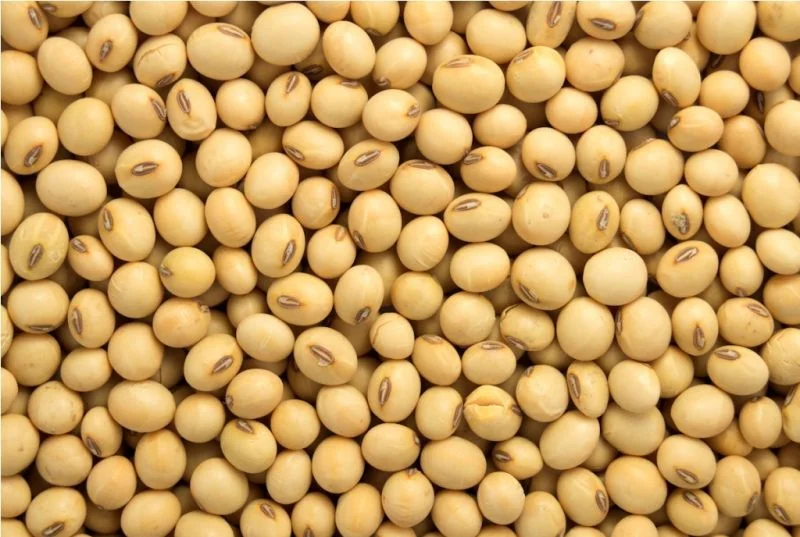
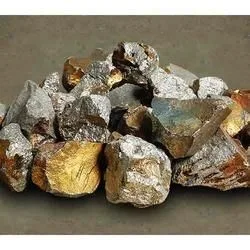
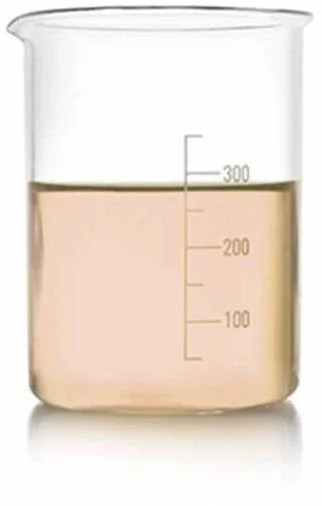
Transzing is based in Canada and currently lists nine active products across its catalogue. The portfolio includes three agricultural seed commodities - Mustard Seeds, Chickpeas and Canola Seeds - as well as Titanium Dioxide, five industrial chemicals (Citric Acid, Toluene, Sodium Hydrosulphite, Acetic Acid) and a non‑ferrous metal scrap stream. Each chemical entry is paired with an HS‑code: Citric Acid (2918.14), Toluene (2902.30), Sodium Hydrosulphite (2830.10), Acetic Acid (2915.21) and Aluminum Scrap (7602.00). The seed items fall under HS chapters 1209, 1207 and 1208 respectively, while Titanium Dioxide is classified under HS 3206. The catalogue reflects a mix of food‑grade agricultural products, pigment‑grade inorganic material and bulk industrial chemicals.
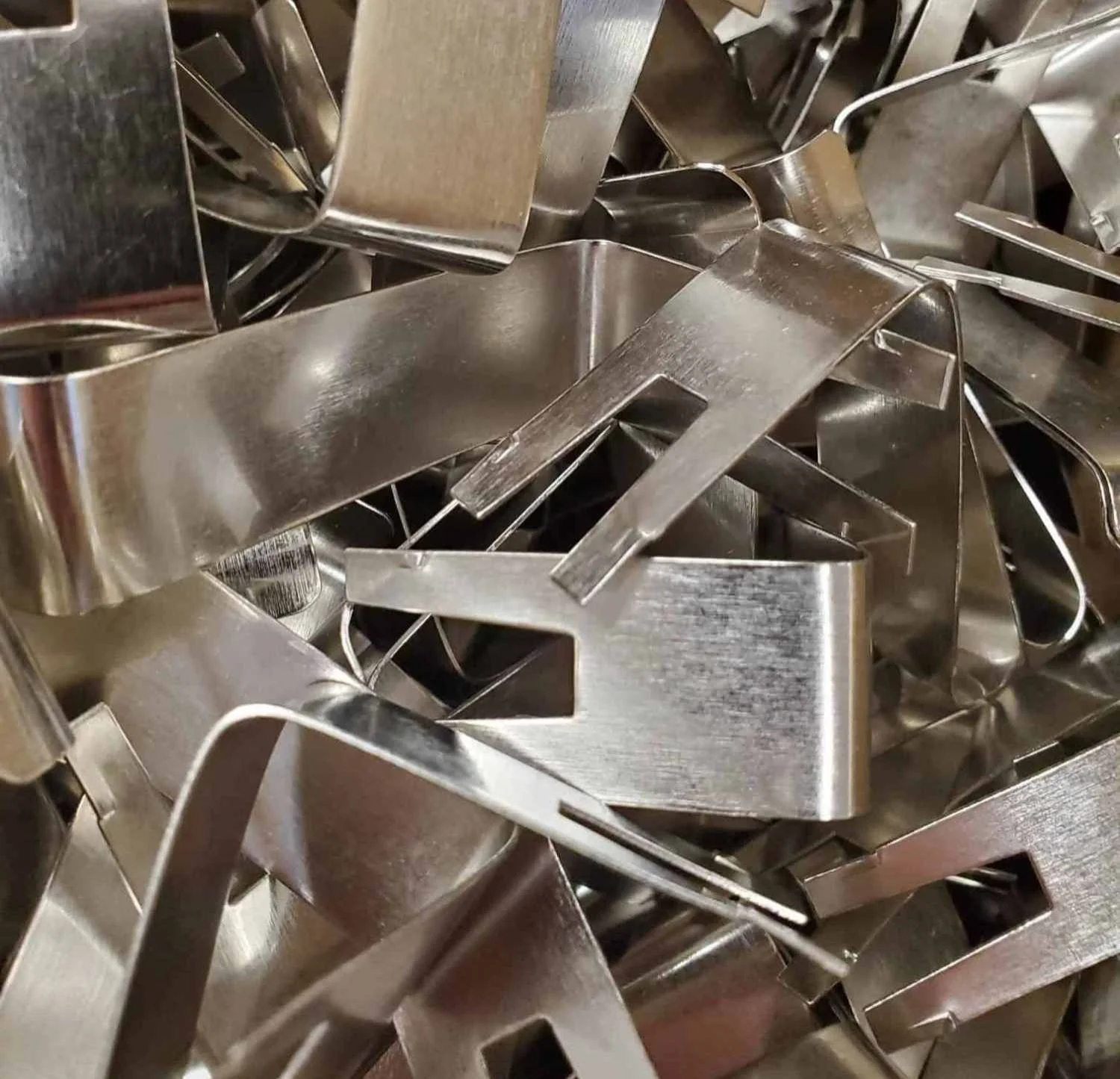
The listed products cover typical industry material forms: seeds are offered in bulk bags, chemicals in 25 kg drums or 20 ft containers, and metal scrap in bundled coils. The chemical entries specify material composition - for example Citric Acid is described as C6H8O7 in anhydrous and monohydrate forms, and Sodium Hydrosulphite as Na2S2O4. The metal scrap is identified as aluminum recovered from automobile engine blocks and transmissions. This composition detail aligns with standard HS‑code descriptions and allows buyers to match technical specifications to their downstream processes.
Product Range and Specialties of Transzing
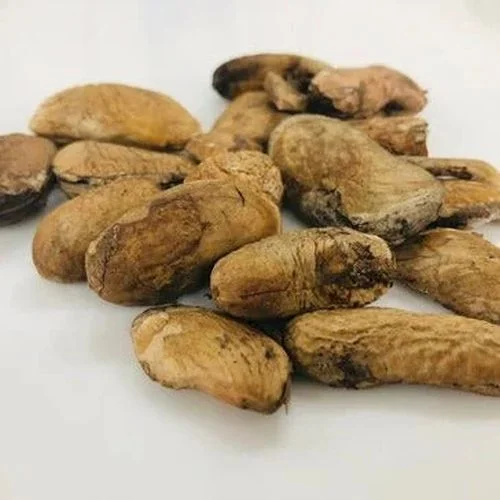
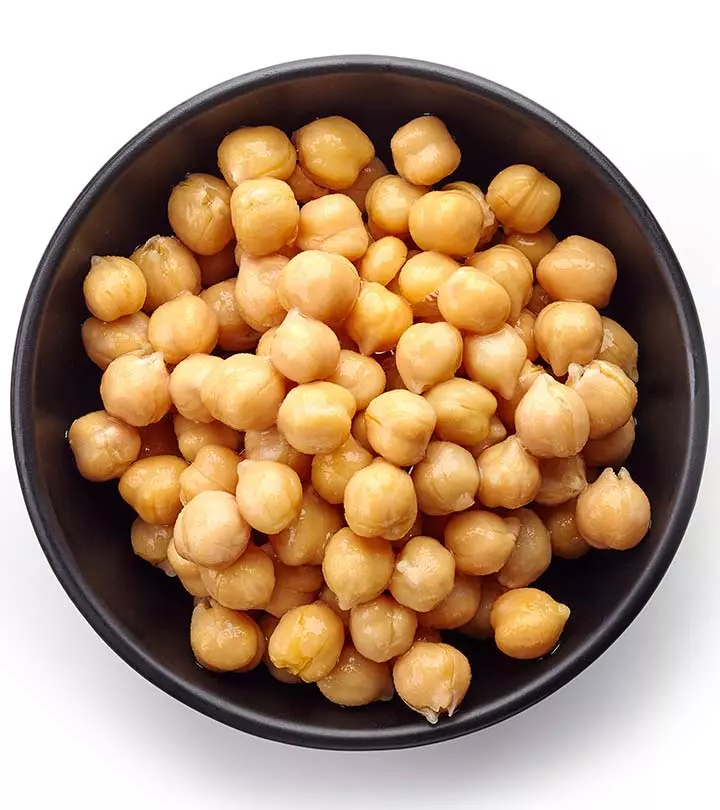
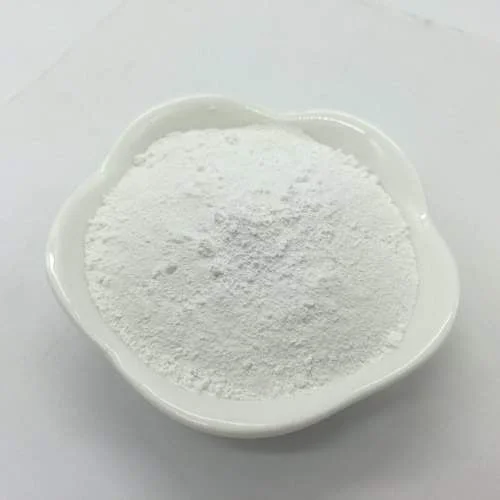
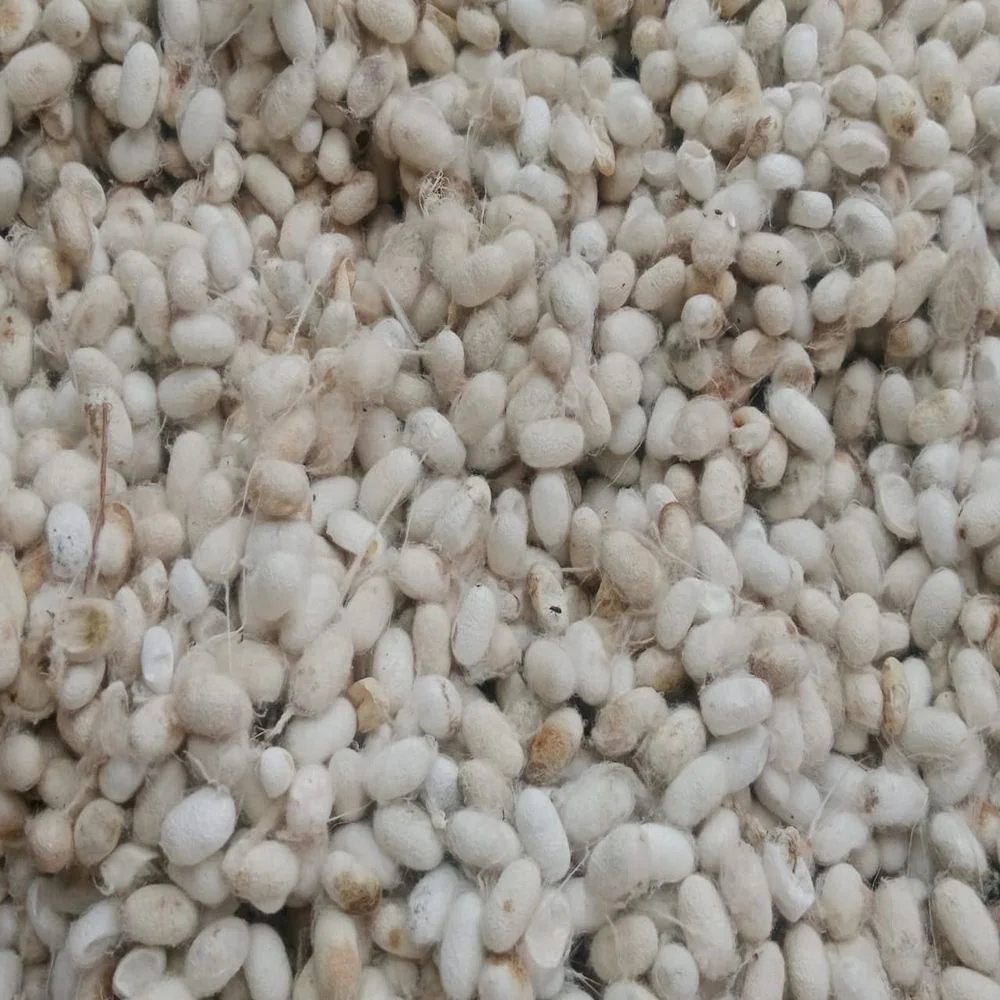
Transzing’s seed range - Mustard, Chickpea and Canola - corresponds to common export grades such as ICUMSA‑type moisture limits below 12 % and cleaning levels meeting Canadian Grain Commission standards. Typical seed specifications also include germination rates above 85 % for chickpeas and 90 % for canola, which are the benchmarks buyers request in North American and European markets. The Titanium Dioxide offering is generally supplied as pigment grade with TiO₂ content ≥ 99 % and a particle size distribution centered around 0.2 µm, matching the CI 77007 standard used in paints and coatings. The chemical portfolio follows standard purity tiers: Citric Acid (technical grade 99.5 % purity), Toluene (99.9 % aromatic hydrocarbon), Acetic Acid (technical grade 99 % with ≤ 0.5 % water) and Sodium Hydrosulphite (technical grade 98 % Na₂S₂O₄). The aluminum scrap is typically classified by alloy series (e.g., 6061, 6063) and by size, with common batch sizes of 1 tonne per bundle for bulk freight.
Trade and Export Information - Transzing
Canada is a recognized exporter of agricultural seeds, bulk chemicals and recyclable metal scrap. Mustard, chickpea and canola seeds from Canada are regularly shipped to the United States, the European Union and select Asian markets, where buyers often require phytosanitary certificates and compliance with ISPM 15 for any wood packaging. Industrial chemicals such as citric acid, toluene, acetic acid and sodium hydrosulphite fall under HS chapter 29 and are subject to REACH registration in the EU and TSCA reporting in the United States; buyers typically request a full Safety Data Sheet (SDS) and, where applicable, a Certificate of Analysis (CoA) confirming purity levels. Aluminum scrap classified under HS 7602 is exported mainly to China, India and Turkey, with customs inspections focusing on material composition and the presence of any hazardous residues. Standard export logistics involve FOB or CIF terms, 20 ft or 40 ft containers for chemicals, bulk bag shipments for seeds and roll‑on/roll‑off vessels for metal scrap bundles.
Sourcing from Transzing - Buyer Guidance
When sourcing seeds from Transzing, buyers should request recent germination test results, moisture content analysis and a phytosanitary certificate issued by Canadian authorities. For the chemical products, a current SDS, a CoA specifying purity, water content and heavy‑metal limits, and, for EU destinations, evidence of REACH compliance are essential prior to contract finalisation. Aluminum scrap shipments should be accompanied by a certificate of origin, a material composition report, and, where required, a waste‑export permit to satisfy destination country regulations. Verifying packaging integrity - bulk bags for seeds, sealed drums for liquids and properly banded bundles for scrap - helps mitigate damage during transit and ensures that the HS‑code declared matches the physical cargo.
Frequently Asked Questions About Transzing
What seed varieties does Transzing export and under which HS codes?
Transzing lists Mustard Seeds (HS 1209), Chickpeas (HS 1207) and Canola Seeds (HS 1208). Each seed type is supplied in bulk bags and conforms to typical moisture limits below 12 %.
Which industrial chemicals are available and what are their HS codes?
The catalogue includes Citric Acid (HS 2918.14), Toluene (HS 2902.30), Sodium Hydrosulphite (HS 2830.10), Acetic Acid (HS 2915.21) and Titanium Dioxide (HS 3206). Purity grades range from 98 % to 99.9 % depending on the product.
What documentation should I request before purchasing chemicals?
Buyers should request a current Safety Data Sheet, a Certificate of Analysis showing purity and impurity limits, and, for EU shipments, proof of REACH registration or compliance.
Are there specific quality parameters for the seed products?
Typical quality parameters include moisture content below 12 %, germination rates above 85 % for chickpeas and 90 % for canola, and cleaning levels that meet Canadian Grain Commission standards.
How is the aluminum scrap packaged and what certification is needed?
The scrap is bundled in steel straps, each bundle weighing around 1 tonne, and is identified under HS 7602. Buyers normally require a certificate of origin and a material composition report.
What are the common Incoterms used for Transzing’s shipments?
Transzing typically trades on FOB (Free on Board) or CIF (Cost, Insurance and Freight) terms, with chemicals shipped in 20 ft or 40 ft containers, seeds in bulk bags and metal scrap on roll‑on/roll‑off vessels.
Can I obtain samples before placing a full order?
Yes, Transzing can provide limited sample quantities for seeds, chemicals and metal scrap; buyers should specify the desired grade and request accompanying test reports with the sample.
What is the typical lead time for a bulk order?
Lead times vary by product but generally range from 2‑4 weeks for seeds, 1‑3 weeks for chemicals once documentation is confirmed, and 3‑5 weeks for metal scrap depending on shipping mode.




 , Canada