Totflex — Supplier
About Totflex - Rubber Items Supplier in Turkey
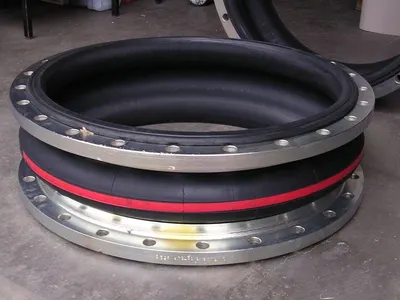
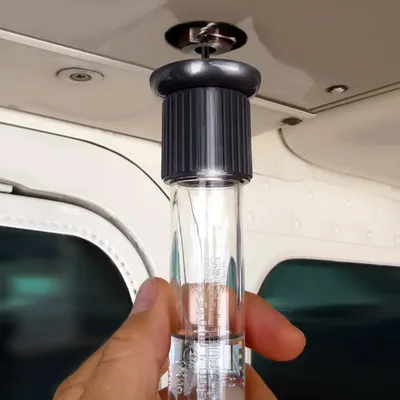
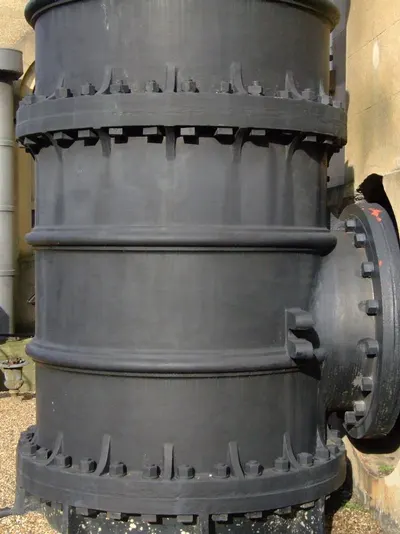
Based in Turkey, Totflex currently lists eight distinct products across its catalogue. The portfolio spans the Rubber Items, Fire Extinguishers & Products, and Flanges categories, featuring dilatation expansion joints, axial expansion joints, a hinged gimbal type joint, a vibration absorber joint, level indicator gauges, a fire sprinkler unit, an externally pressurised expansion joint, and a flexible metal hose made from stainless steel 304/316. The flexible metal hose is the only item with a specified HS code (8307.10) in the provided data. All products are described using their technical names without additional branding.
The expansion‑joint series is classified under the rubber‑article HS chapters that cover engineered elastomers, while the fire‑sprinkler and level‑indicator items fall under the safety‑equipment sections of the customs tariff. The metal hose, identified by HS code 8307.10, belongs to the flexible metal hose chapter. Totflex’s catalogue does not include explicit certifications, so buyers should confirm any required standards independently.
Product Range and Specialties of Totflex
Totflex’s expansion‑joint range includes dilatation, axial, hinged gimbal and vibration‑absorber designs, which are commonly fabricated from EPDM or neoprene‑filled rubber and reinforced with steel or fabric cords. In the industry, such joints are rated up to 200 bar and operate within temperature limits of - 40 °C to +120 °C, meeting specifications such as ISO 9001 quality‑system and EN 13480 for pipeline components. The flexible metal hose is supplied in stainless‑steel grades 304 or 316, with typical inner diameters from 6 mm to 40 mm and working pressures between 150 bar and 300 bar, conforming to DIN 11851 or EN 733 standards.
Trade and Export Information - Totflex
Turkey is a significant exporter of industrial rubber components and stainless‑steel metal hoses, with the European Union, the Gulf Cooperation Council, and North‑African countries representing the largest import markets. HS code 8307.10 for flexible metal hoses is routinely examined for CE marking, material test certificates, and pressure‑test reports during customs clearance. Rubber‑based expansion joints are generally inspected under HS chapters 4017‑4018, where buyers often require ISO 9001 certification, an MSDS, and compliance with ASTM D2000 or EN 13480. Standard export terms include FOB or CIF, and bulk shipments are typically handled in 20‑ft or 40‑ft containers, with a 20‑ft container holding roughly 1,200 m of 25 mm‑diameter hose.
Sourcing from Totflex - Buyer Guidance
When sourcing from Totflex, buyers should request a detailed product data sheet that lists material grade, pressure rating, temperature range, and dimensional tolerances. For the stainless‑steel hose, a material test certificate (e.g., ASTM A240) and a recent hydrostatic pressure test report are standard verification documents. Expansion‑joint orders benefit from receiving a sample joint, a rubber compound specification sheet, and confirmation of any ISO or EN certifications the supplier holds. Verify the HS code alignment and ensure packaging meets the buyer’s logistics plan, typically wood‑crated for joints and steel‑drummed for hoses.
Frequently Asked Questions About Totflex
What types of expansion joints does Totflex offer?
Totflex lists four variants: dilatation expansion joints, axial expansion joints, a hinged gimbal type joint, and a vibration absorber joint. Each design is intended to accommodate thermal movement and vibration in pipeline systems. The catalogue does not specify material grades, so buyers should confirm the rubber compound used.
Which material is used for the Flexible Metal Hose and what is its HS code?
The flexible metal hose is manufactured from stainless‑steel grades 304 or 316. It is classified under HS code 8307.10, the international tariff heading for flexible metal hoses. Buyers typically verify the stainless‑steel grade through a material test certificate.
What standard specifications should buyers verify for the metal hose?
Typical specifications include compliance with DIN 11851 or EN 733, which define dimensions, bend radius, and pressure ratings. A hydrostatic pressure test at the rated working pressure (often 150 - 300 bar) and a material test report (ASTM A240) are standard. Certification for CE marking may also be required for European shipments.
Are there common certifications required for the rubber expansion joints?
Exporters of rubber expansion joints are frequently asked to provide ISO 9001 quality‑system certification and an MSDS for the rubber compound. Compliance with ASTM D2000 or EN 13480, which cover performance grades and pipeline integration, is also common. Buyers should request copies of these certificates before ordering.
What packaging and container sizes are standard for these products?
Flexible metal hoses are usually coiled and packed in steel drums or wooden crates; a 20‑ft container can hold roughly 1,200 m of 25 mm‑diameter hose. Expansion joints are shipped in wooden crates with protective padding to prevent deformation. Standard container types are 20‑ft and 40‑ft dry containers.
Which markets import Turkish rubber and metal hose products most often?
The primary import destinations are European Union countries, Gulf Cooperation Council states, and North‑African markets. These regions use the products in construction, oil‑and‑gas, and ship‑building projects. Trade flows are supported by Turkey’s established logistics corridors to Mediterranean and Black Sea ports.
What documentation should a first‑time buyer request before placing an order?
Buyers should ask for a product data sheet, a recent pressure‑test report, and a material conformity certificate (e.g., ASTM A240 for stainless steel). For rubber components, an MSDS and any ISO or EN certification copies are advisable. Additionally, confirming the supplier’s export licence and HS code declaration helps streamline customs clearance.




 , Turkey