Tianjin Xincheng Import & Export Co., Ltd — Verified Supplier
About Tianjin Xincheng Import & Export Co., Ltd - Metal Alloys Supplier in China
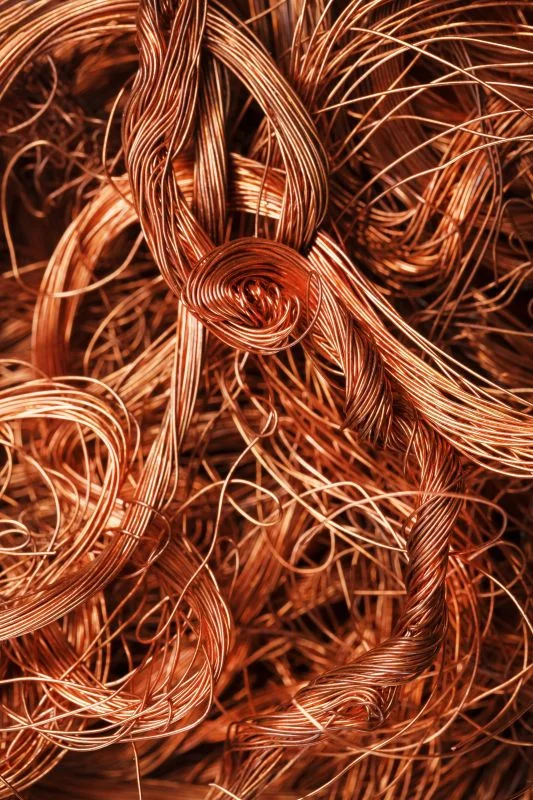
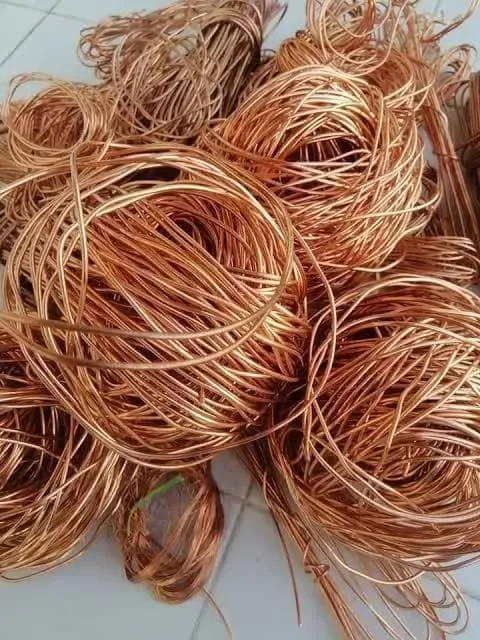
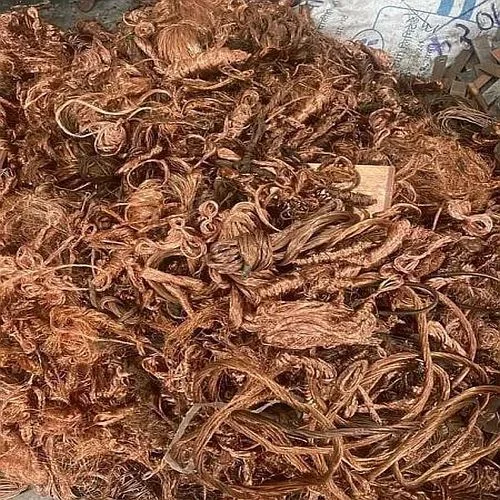
Based in Tianjin, China, Tianjin Xincheng Import & Export Co., Ltd lists eight active products across five top categories: Other Ores & Minerals, Plastic Raw Materials, Industrial Chemicals, Copper Wire Scrap and Metal Alloys. The catalogue items fall under HS‑code families 7202 (metal alloys and ferro‑alloys), 7404 (copper scrap), and unnamed codes for polyolefin elastomers and copolymers, reflecting a focus on bulk raw material trade. The company’s metal alloy entries include a 65 % Nb ferroniobium alloy (HS 7202.99) and a 65 % Mo ferromolybdenum alloy (HS 7202.70). The copper wire scrap is described as electrolytic copper with 99.99 % purity (HS 7404.00).
Product Range and Specialties of Tianjin Xincheng Import & Export Co., Ltd
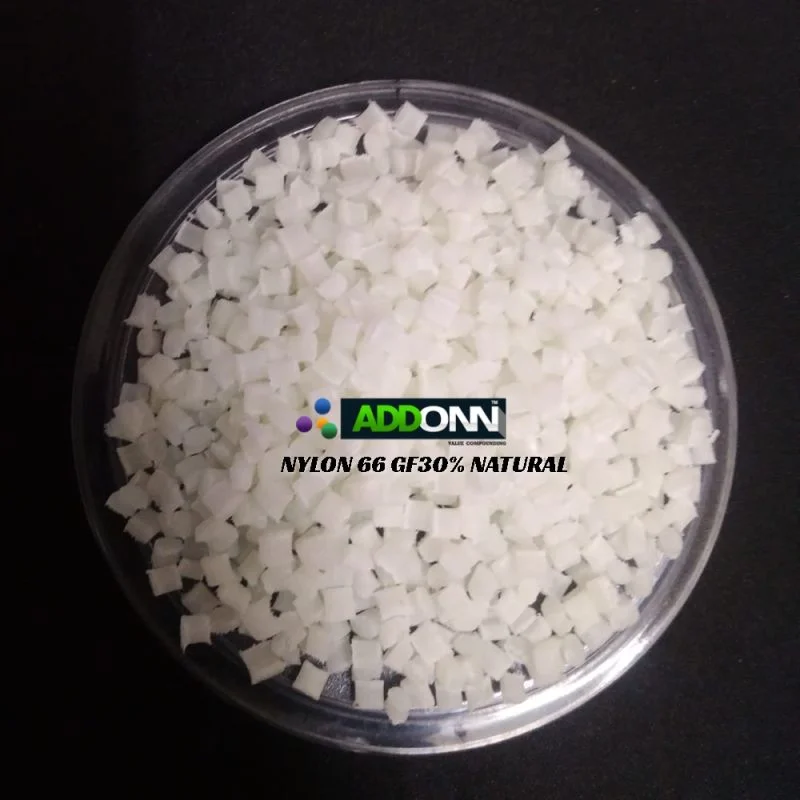
The product list comprises two ferro‑alloys - Ferroniobium (FeNb) 65 % Nb and Ferromolybdenum (FeMo) 65 % Mo - both standard grades used in high‑strength steel and aerospace alloys. In the polymer segment the supplier offers Dow Engage polyolefin elastomers (POE) 8200 and 8401 series, an LG EVA 33400 grade, and ethylene‑vinyl alcohol (EVOH) granules, which are typical barrier materials for flexible packaging. Typical industry specifications for the ferro‑alloys include a niobium or molybdenum content tolerance of ±0.5 % and impurity limits for Al, Ti, and Fe as defined by ASTM B123 and B124. POE grades are usually characterized by melt flow index (MFI) values between 2 - 10 g/10 min, density around 0.92 g/cm³, and Shore A hardness of 40 - 60. EVA grades are graded by vinyl acetate content (typically 18 - 28 %) and melt flow index, while EVOH granules are commonly sold with an ethylene content below 5 % to achieve oxygen transmission rates under 10 cc/m²·day.
Trade and Export Information - Tianjin Xincheng Import & Export Co., Ltd
China is a major exporter of ferro‑alloys and copper scrap, with primary destinations in Southeast Asia, Europe and North America where automotive, aerospace and construction sectors source these materials. HS chapter 72 (iron and steel products) and chapter 74 (copper and articles) are closely monitored by customs for anti‑dumping duties; exporters usually provide a commercial invoice, certificate of origin and an assay report to satisfy importing country regulations. Buyers of POE, EVA and EVOH typically require compliance with ISO 9001 quality management, REACH registration for the polymer chemicals, and, where applicable, RoHS conformity for electronic‑grade grades. Bulk shipments are commonly packed in 20‑ft or 40‑ft containers using steel drums for ferro‑alloys, wooden pallets for copper scrap, and woven polypropylene bags for polymer granules. Standard Incoterms such as FOB Tianjin or CIF destination port are used, with freight forwarders arranging container loading and customs clearance.
Sourcing from Tianjin Xincheng Import & Export Co., Ltd - Buyer Guidance
When sourcing the 65 % Nb ferroniobium or 65 % Mo ferromolybdenum, request an independent assay certificate that details the exact Nb or Mo content, impurity limits and the analytical method (e.g., ICP‑OES). For copper wire scrap, ask for an ASTM B284 compliance report confirming the 99.99 % Cu purity and the absence of plating residues. Polymer buyers should obtain a material safety data sheet (MSDS), melt flow index test results and, where required, REACH registration numbers before finalizing the order. Verify the HS code on the commercial invoice matches the product description, and confirm packaging dimensions (e.g., 1 t bulk bag or 25 kg polypropylene bag) to avoid freight mismatches.
Frequently Asked Questions About Tianjin Xincheng Import & Export Co., Ltd
What is the purity specification for the copper wire scrap offered by Tianjin Xincheng?
The catalogue lists the copper wire scrap as electrolytic copper with a purity of 99.99 % Cu, classified under HS 7404.00. Buyers normally request an ASTM B284 assay report to confirm the purity and to check for any surface contaminants before shipment.
Which grade of ferroniobium does the supplier provide?
The supplier offers a ferroniobium alloy containing 65 % niobium with the balance iron, recorded under HS 7202.99. Standard practice is to obtain an assay certificate that verifies the Nb content and limits impurities such as Al, Ti and Fe according to ASTM B123.
Are there any certifications commonly required for the polyolefin elastomers?
Polyolefin elastomers such as Dow Engage 8200 and 8401 are typically required to meet ISO 9001 quality management and REACH registration for chemical safety. Buyers also ask for a melt flow index (MFI) test and density measurement to ensure the grade matches the intended processing equipment.
What documentation should be requested for the ferromolybdenum alloy?
An independent assay certificate confirming 65 % molybdenum content, impurity limits (e.g., ≤0.5 % Fe, ≤0.2 % Si) and the analytical method (ICP‑OES) is standard. In addition, a certificate of origin and a commercial invoice citing HS 7202.70 are needed for customs clearance.
How are the polymer granules typically packaged for export?
Ethylene‑vinyl alcohol (EVOH) and EVA granules are usually packed in sealed, moisture‑proof polypropylene bags of 20 kg or 25 kg, which are then placed on wooden pallets for container loading. The packaging must be labeled with the product name, HS code and net weight to satisfy import inspections.
What Incoterms are most commonly used for shipments from Tianjin?
Exporters from Tianjin frequently quote FOB Tianjin Port or CIF destination port, allowing the buyer to arrange freight or have the seller handle carriage and insurance. The choice depends on the buyer’s preference for control over logistics and risk allocation.
Which markets typically import the ferro‑alloys supplied by this company?
Key import markets for ferroniobium and ferromolybdenum include the European Union, the United States, Japan and South Korea, where the alloys are used in high‑strength steel, aerospace components and specialty casting. Trade data shows steady demand from automotive and construction sectors in these regions.
What testing standards apply to the copper wire scrap?
Copper wire scrap is generally tested according to ASTM B284 for purity and ASTM B193 for mechanical properties. Importers also look for a surface cleanliness test to ensure the scrap is free of plating residues that could affect downstream refining.




 , China