Agriculture›
 Apparel and fashion accessories›
 Construction & real estate›💡Electronic & Electrical›🍎Food & Beverages›🛋️Home furnishing & supplies›⚗️Industrial goods & chemical›🪨Minerals & metals›📦Miscellaneous›Agriculture›Apparel and fashion accessories›Construction & real estate›💡Electronic & Electrical›🍎Food & Beverages›🛋️Home furnishing & supplies›⚗️Industrial goods & chemical›🪨Minerals & metals›📦Miscellaneous›
Thai Resource Trade Co., Ltd.
⚓ Harbor , ThailandNew supplier / no reviews yet
Thai Resource Trade Co., Ltd. Product Catalog
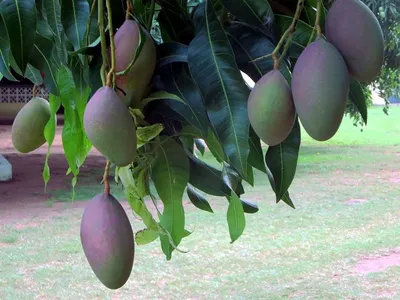
About Thai Resource Trade Co., Ltd. - Fruits Supplier in Thailand
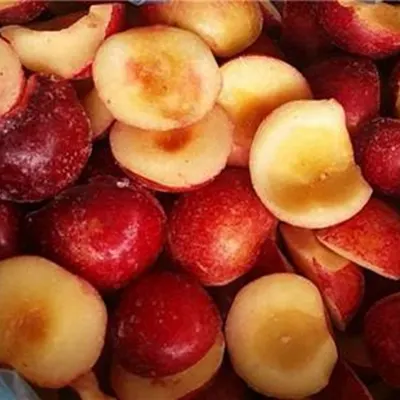
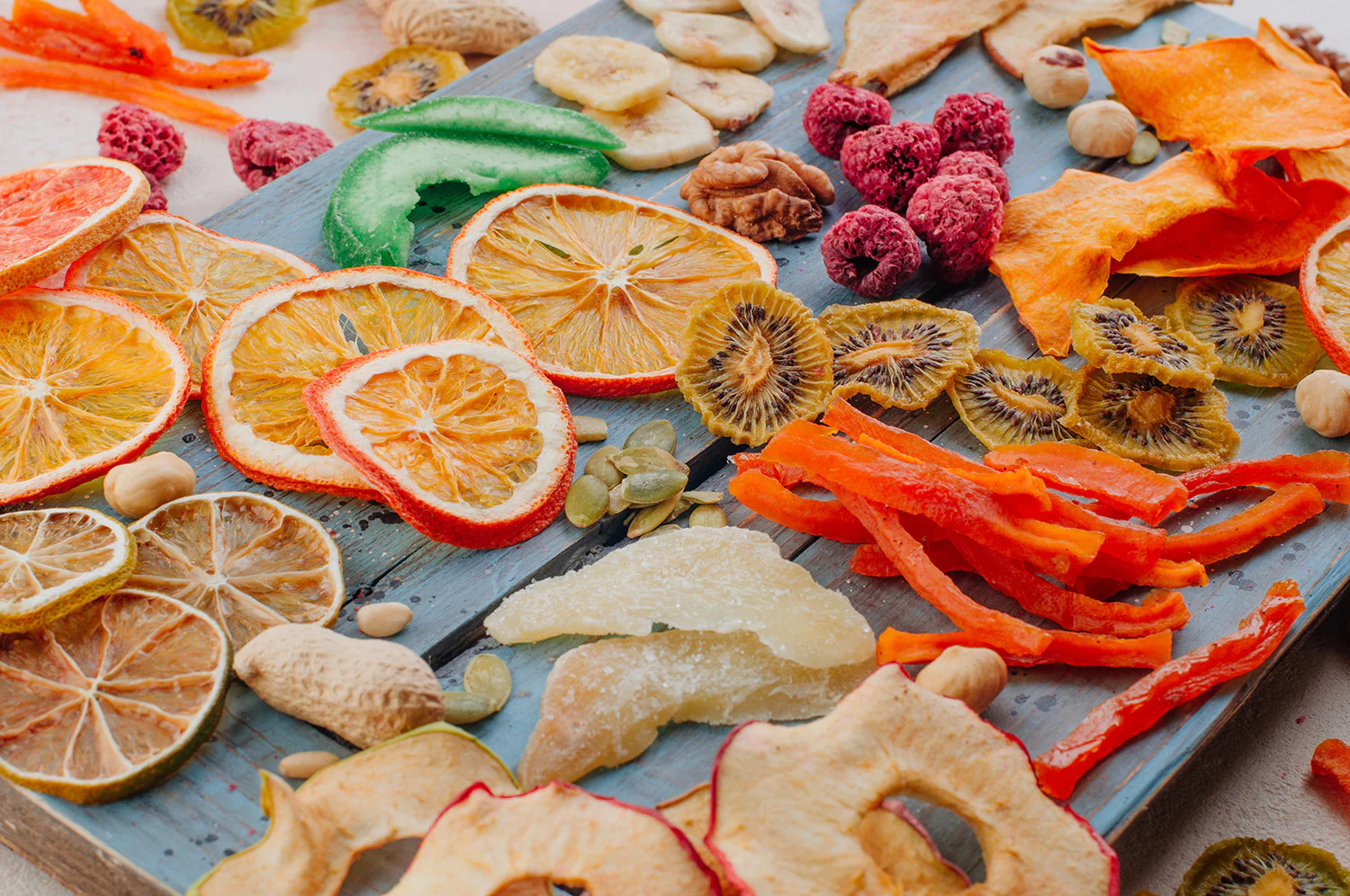
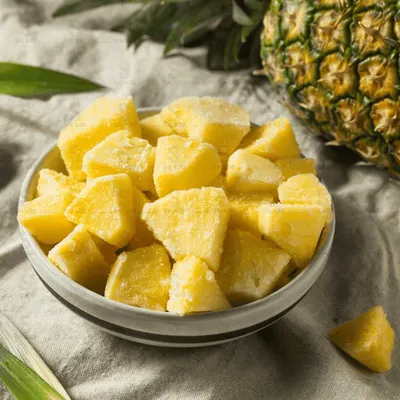
Thailand supplies 20 active products through Thai Resource Trade Co., Ltd., listed under the Agriculture and Fruits categories. The catalogue includes fresh fruits, a variety of dried fruits such as mango, pineapple, papaya, and cantaloupe, as well as freeze‑dried items like durian, mangosteen, banana and pineapple. It also covers coconut‑derived products including young coconuts, coconut chips, dried coconut chunks and tapioca‑based snacks such as tapioca chips and residue powder. Additionally the supplier offers vacuum‑fried fruit and vegetable snacks and frozen/IQF fruits. All items are classified under the relevant HS chapters for fresh, dried and processed fruit products.
The product set spans both raw agricultural produce and value‑added processed foods, reflecting Thailand’s position as a major exporter of tropical fruit. The range combines whole fresh fruit, dehydrated slices, chips and powders, each typically exported in bulk bags, cartons or refrigerated containers depending on the processing level.
Product Range and Specialties of Thai Resource Trade Co., Ltd.
The catalogue groups products into three processing families: fresh whole fruit, dried or freeze‑dried fruit, and coconut‑based snacks. Dried fruit such as mango, pineapple, papaya and cantaloupe are normally produced to a moisture content of 10‑12 % and packaged in 20 - 25 kg polypropylene bags or 1 kg retail cartons. Freeze‑dried fruits like durian, mangosteen, banana and pineapple are processed to a residual moisture of less than 5 % and are often shipped in vacuum‑sealed multi‑layer pouches to preserve aroma and color.
Coconut chips and dried coconut chunks typically conform to a fat content of 60‑70 % with a moisture level below 8 %, while tapioca chips and residue powder are classified under starch‑based snack products and commonly meet a bulk density of 0.55 g/cm³. Industry standards for these categories reference HS chapter 08 for fresh and dried fruits, HS chapter 20 for processed fruit preparations, and HS chapter 21 for starch products, providing a consistent customs classification framework for buyers.
Frequently Asked Questions About Thai Resource Trade Co., Ltd.
What types of fruit products does Thai Resource Trade Co., Ltd. offer?
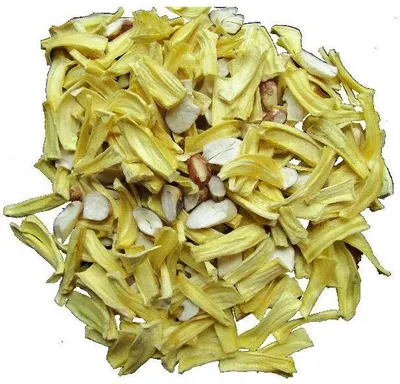
The supplier lists fresh tropical fruits, a range of dried fruits (mango, pineapple, papaya, cantaloupe, guava, jackfruit, coconut chunks), freeze‑dried fruits (durian, mangosteen, banana, pineapple) and vacuum‑fried fruit and vegetable snacks.
Are there standard quality parameters for the dried fruit items?
Typical industry specifications for dried tropical fruit require moisture below 12 %, total soluble solids above 15 % Brix and absence of visible mold. Buyers should request a moisture analysis report for each batch.
Which certifications should I request before purchasing?
Commonly required certifications for Thai fruit exports include a phytosanitary certificate, a certificate of origin, and food‑safety certifications such as ISO 22000, HACCP or GlobalGAP. These should be confirmed with the supplier for each product line.
What is the usual minimum order quantity and lead time?
Bulk dried fruit orders often start at 1 metric ton, while freeze‑dried products may have a MOQ of 500 kg. Lead times typically range from 30 to 60 days after order confirmation, depending on processing and packaging requirements.
How are the products packaged for international shipment?
Dried and freeze‑dried fruits are usually packed in food‑grade polypropylene bags (20 - 25 kg) or multi‑layer vacuum pouches, placed on Euro pallets for container loading. Fresh fruits are shipped in refrigerated containers with insulated cartons.
ThailandRelated Suppliers & Products
Explore similar suppliers, related products and trending categories