Agriculture›
 Apparel and fashion accessories›
 Construction & real estate›💡Electronic & Electrical›🍎Food & Beverages›🛋️Home furnishing & supplies›⚗️Industrial goods & chemical›🪨Minerals & metals›📦Miscellaneous›Agriculture›Apparel and fashion accessories›Construction & real estate›💡Electronic & Electrical›🍎Food & Beverages›🛋️Home furnishing & supplies›⚗️Industrial goods & chemical›🪨Minerals & metals›📦Miscellaneous›
Taufiqul Hakim Tsabit Product Catalog

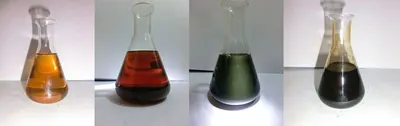
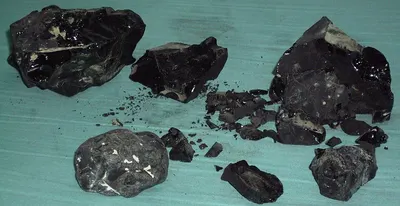
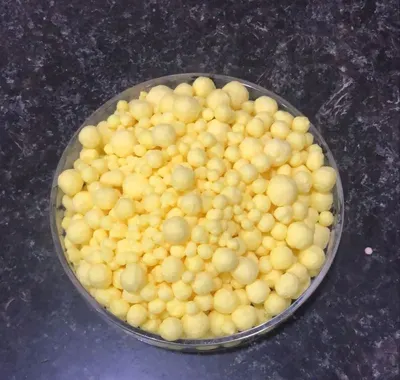

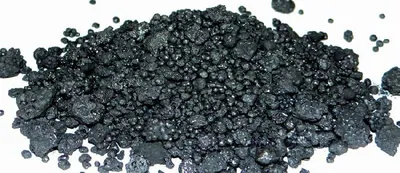

About Taufiqul Hakim Tsabit - Petroleum By Products Supplier in Indonesia
Taufiqul Hakim Tsabit is based in Indonesia and offers 18 active products. The company lists a variety of petroleum by-products, including Colonial Grade JP54, Jet Fuel A1, and Diesel D2. These products are commonly used in the energy and transportation sectors. Indonesia is a significant player in the global energy market, with many of its petroleum by-products being exported to countries in Asia and beyond.
The company's product range also includes Urea 46%, Fuel Oil CST-180, and LNG, which are used in various industries such as agriculture, manufacturing, and power generation. The HS code families for these products are typically classified under Chapter 27 of the Harmonized System, which covers mineral fuels and oils. Buyers from regions such as Asia, Africa, and the Middle East often import these goods, with many of them being transported via sea routes.
Product Range and Specialties of Taufiqul Hakim Tsabit
Taufiqul Hakim Tsabit's catalogue includes a range of petroleum by-products, each with its own set of specifications and standards. For example, the Colonial Grade JP54 is a type of jet fuel that meets the requirements of the American Society for Testing and Materials (ASTM) and the International Air Transport Association (IATA). The company's Diesel D2, on the other hand, is a type of diesel fuel that conforms to the European Standard EN 590.
Buyers of these products typically require certifications such as ISO 9001 and API, as well as test reports and samples to ensure the quality of the goods. The industry-standard specifications for these products, such as the sulfur content and cetane number, are also critical in determining their suitability for various applications. For instance, the Diesel EN590 has a maximum sulfur content of 10 ppm and a minimum cetane number of 51.
Frequently Asked Questions About Taufiqul Hakim Tsabit
What certifications should buyers request from Taufiqul Hakim Tsabit?
Buyers should request certifications such as ISO 9001 and API, as well as test reports and samples to ensure the quality of the goods. Additionally, buyers should ensure that the products meet the required standards, such as ASTM and EN 590.
What is the typical sulfur content of Diesel D2?
The typical sulfur content of Diesel D2 is 10 ppm. However, buyers should confirm this with the supplier, as it may vary depending on the specific product and application. Additionally, buyers should request test reports and samples to ensure the quality of the goods.
What is the minimum cetane number for Diesel EN590?
The minimum cetane number for Diesel EN590 is 51. This is an industry-standard specification that ensures the fuel meets the required standards for use in diesel engines.
What is the HS code for Jet Fuel A1?
The HS code for Jet Fuel A1 is 2710. This code is used to classify the product for customs and trade purposes. Buyers should be aware of the HS code for the specific product they are purchasing, as it may affect the import regulations and duties applicable.
What is the typical packaging for Petroleum Coke?
The typical packaging for Petroleum Coke is in bulk or in bags. However, buyers should confirm this with the supplier, as it may vary depending on the specific product and application. Additionally, buyers should ensure that the packaging meets the required standards for transportation and storage.
 Indonesia
Related Suppliers & Products
Explore similar suppliers, related products and trending categories