Taian Porei Import & Export Co., Ltd. — Supplier
About Taian Porei Import & Export Co., Ltd. - Bearing Supplier in China
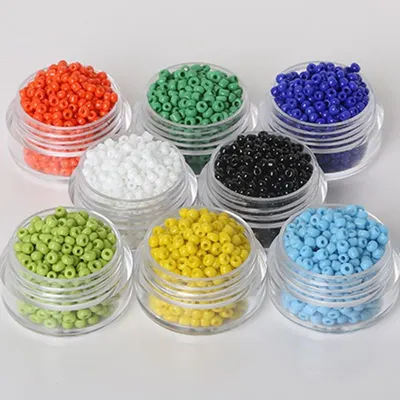
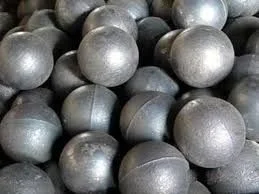
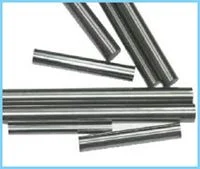
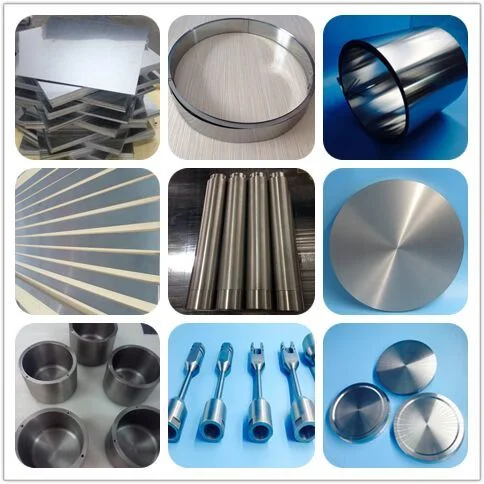
Taian Porei Import & Export Co., Ltd. is based in China and lists 23 active products across several categories, including plastic items, glass beads, bearing balls, ceramic products, and tungsten products. The catalogue references HS code families 3926.90 (plastic articles), 8482.99 (other machines), 6903.20 (ceramic products), 7018.20 (glass beads), 7326.90 (tungsten products), 8101.94 and 8103.20 (tungsten carbide goods). Materials mentioned range from virgin PTFE and Delrin (POM) to zirconia (ZrO2), borosilicate glass, nylon PA6/PA66, and tungsten‑carbide alloys. The product list includes PTFE white round bearing balls, Delrin plastic bearing balls, high‑performance zirconia ceramic balls, precision clear glass balls of various diameters, borosilicate glass beads, nylon PA6/PA66 balls, tungsten‑carbide balls (including YG6, YG8, and hardened alloy forms), and silicon‑nitride (Si3N4) ceramic balls. Several items specify dimensions such as 4 mm, 5 mm, 7 mm and 9 mm, while others are described generically as solid or hollow plastic balls. HS codes are provided for most metal‑based balls and for glass beads, but a few entries lack HS code data.
Product Range and Specialties of Taian Porei Import & Export Co., Ltd.
The catalogue groups the items into five material families: fluoropolymer (PTFE) balls, engineering plastics (Delrin POM and nylon PA6/PA66), advanced ceramics (zirconia, silicon‑nitride), glass (clear soda‑lime and borosilicate) and tungsten‑carbide alloys. In the bearing‑ball market PTFE balls are typically supplied with a purity of 99.9 % and a density of 2.2 g/cm³; Delrin balls are offered in the standard Delrin® 100 grade with tensile strength around 70 MPa and a typical dimensional tolerance of ±0.02 mm for diameters up to 10 mm. Zirconia ceramic balls are usually Y‑TZP with Vickers hardness 1200 - 1300 HV and a typical sphericity of 0.0005 mm. Silicon‑nitride balls meet the ISO 2705 standard for ceramic bearings, with a typical grain size below 5 µm and a moisture content below 0.1 %. Glass balls are commonly made from soda‑lime (optical grade) or borosilicate (SiO₂ ≈ 72 %) and are supplied with surface roughness Ra ≤ 0.2 µm. Tungsten‑carbide balls such as YG6 (94 % WC/6 % Co) and YG8 (92 % WC/8 % Co) are graded to ISO 6509, exhibiting hardness above 1500 HV and a density near 15.5 g/cm³. Buyers typically order these items in 20‑ft or 40‑ft containers, packed in cardboard or wooden crates with individual poly‑bag protection.
Trade and Export Information - Taian Porei Import & Export Co., Ltd.
China is a leading exporter of precision bearing components, supplying automotive, aerospace, medical‑device and industrial‑machinery sectors worldwide. HS chapter 39 (plastics) and chapter 84 (machine parts) cover most of the PTFE, POM and nylon balls, while chapters 69 (ceramics) and 70 (glass) apply to zirconia, silicon‑nitride and glass beads. Chapter 73 and 81 handle tungsten‑carbide products. Buyers in the EU, North America and Southeast Asia commonly require ISO 9001 quality‑management certification, CE marking for equipment‑integrated parts, and RoHS compliance for polymer‑based balls. Standard export packaging includes bulk poly‑bags (polyethylene, 0.5 mm thickness) placed on wooden pallets, with a typical load of 1 000 - 2 000 balls per pallet depending on size. Common Incoterms used by Chinese suppliers are FOB Shanghai or CIF Hong Kong, with container loading optimized for 20‑ft (≈ 22 m³) or 40‑ft (≈ 38 m³) units.
Sourcing from Taian Porei Import & Export Co., Ltd. - Buyer Guidance
When sourcing from Taian Porei, request a material test report (MTR) that confirms chemical composition (e.g., PTFE purity ≥ 99.9 %, WC content for YG6/YG8, ZrO₂ phase composition) and mechanical properties such as hardness, tensile strength and dimensional tolerance. Verify that the supplier can provide ISO 9001 or ISO 14001 certificates and, for ceramic balls, a compliance statement to ISO 2705 or ISO 6509. Ask for a sample batch with a certified drawing that shows the exact diameter, sphericity and surface roughness; a typical sample size is 20 - 30 units per diameter. Confirm packaging details (poly‑bag material, pallet configuration) and the chosen Incoterm before finalising the order. Checking the HS code on the commercial invoice against the catalogue entry helps avoid customs classification issues.
Frequently Asked Questions About Taian Porei Import & Export Co., Ltd.
What material grades are available for the PTFE bearing balls?
The catalogue lists virgin PTFE balls made from 100 % pure resin; buyers usually request the PTFE grade to meet ISO 1629 purity of 99.9 % and a density of 2.2 g/cm³.
Which dimensions are offered for the nylon PA6/PA66 balls?
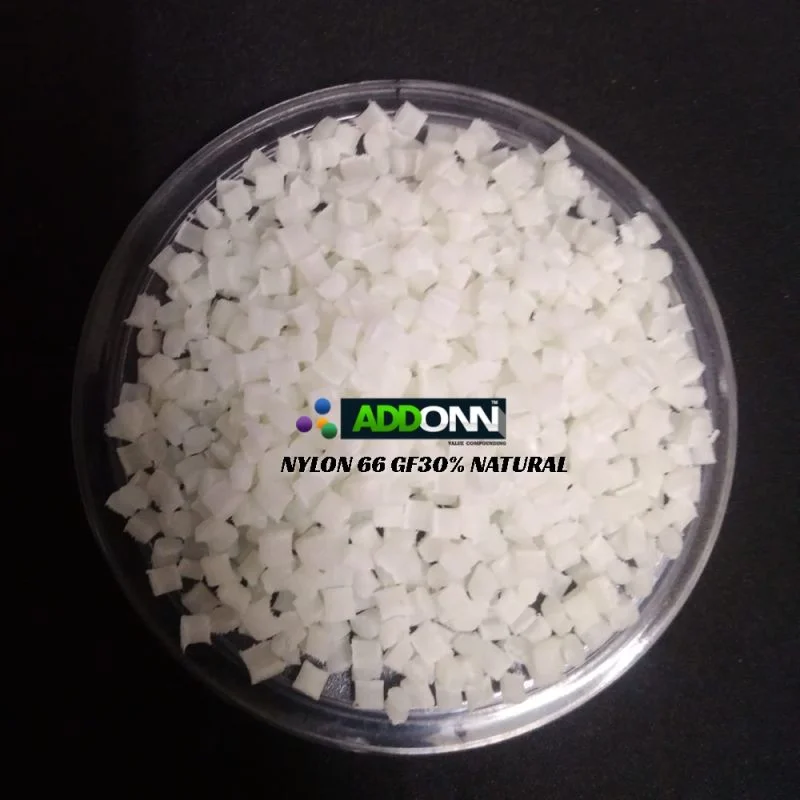
The supplier lists solid nylon balls in 5 mm, 6 mm, 7 mm and 8 mm diameters. Typical tolerance for these sizes is ±0.02 mm and surface roughness is specified as Ra ≤ 0.25 µm.
Are the zirconia ceramic balls yttria‑stabilized?
Yes, the product description specifies Yttria‑Stabilized Zirconia (ZrO₂) which is standard for high‑performance bearing applications and meets ISO 2705.
What certifications should a buyer request for the tungsten‑carbide balls?
Buyers should ask for ISO 9001 quality‑management certification and a material test report showing WC content (94 % for YG6, 92 % for YG8) and hardness above 1500 HV.
How are the glass beads packaged for export?
Glass beads (HS 7018.20) are normally packed in sealed poly‑bags within wooden crates, with each pallet holding up to 2 000 beads depending on size, and are shipped in 20‑ft or 40‑ft containers.
What is the typical lead time for a custom order of silicon‑nitride balls?
Custom silicon‑nitride (Si₃N₄) balls generally require 4 - 6 weeks from order confirmation, including material preparation, grinding to the required tolerance and final inspection.
Can the supplier provide samples of the Delrin (POM) balls?
Yes, the catalogue mentions Delrin plastic balls; standard practice is to provide a sample batch of 20 - 30 units per size after the buyer supplies a purchase order for the sample.
What HS codes apply to the tungsten steel (YG6/YG8) balls?
The YG6/YG8 tungsten steel balls are classified under HS 7326.90, while the hard‑alloy tungsten‑carbide balls fall under HS 8101.94 and HS 8103.20 respectively.




 , China