Agriculture›
 Apparel and fashion accessories›
 Construction & real estate›💡Electronic & Electrical›🍎Food & Beverages›🛋️Home furnishing & supplies›⚗️Industrial goods & chemical›🪨Minerals & metals›📦Miscellaneous›Agriculture›Apparel and fashion accessories›Construction & real estate›💡Electronic & Electrical›🍎Food & Beverages›🛋️Home furnishing & supplies›⚗️Industrial goods & chemical›🪨Minerals & metals›📦Miscellaneous›
Taian Eatar Geosynthetical Material Co., Ltd.
⚓ Harbor , ChinaNew supplier / no reviews yet
Taian Eatar Geosynthetical Material Co., Ltd. Product Catalog
About Taian Eatar Geosynthetical Material Co., Ltd. - Agriculture Supplier in China
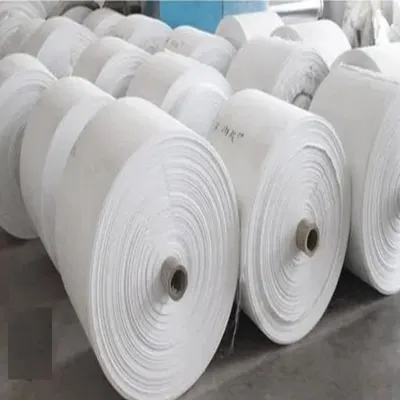
China is the origin of Taian Eatar Geosynthetical Material Co., Ltd., which currently lists five active products in its catalogue. The company’s offerings fall under the agriculture sector and consist of erosion control mats, geocomposite drainage, PP/PET woven geotextile, PVC vacuum membrane, and dimpled drainage sheet. Each product is classified within the broader geosynthetic material families used for soil stabilization, water management and surface protection. The catalogue does not provide HS codes, but the items correspond to standard HS chapters for polymeric geosynthetics. Taian Eatar’s portfolio therefore targets applications that require engineered polymer fabrics and drainage composites.
The listed products are described by their material composition - polypropylene, polyester, and PVC - and by their functional form, such as woven fabrics or vacuum‑formed sheets. No specific certifications are recorded for the supplier, so buyers should verify compliance with common industry standards. The company's focus on agriculture suggests usage in field drainage, slope protection and crop‑field reinforcement. All five items are typically exported in 20‑foot containers with bulk rolls or folded sheets. Prospective buyers can expect standard packaging such as polyethylene‑wrapped bundles for geotextiles and cardboard‑boxed panels for membranes.
Product Range and Specialties of Taian Eatar Geosynthetical Material Co., Ltd.
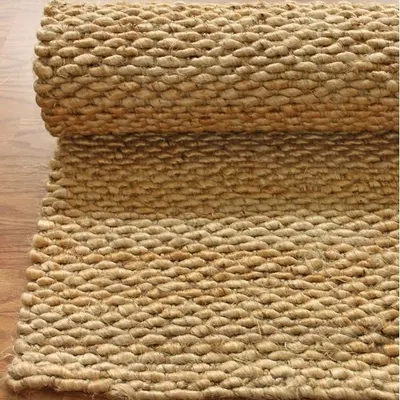
The catalogue comprises erosion control mats, geocomposite drainage units, a PP/PET woven geotextile, a PVC vacuum membrane and a dimpled drainage sheet. Erosion control mats are usually manufactured from polypropylene non‑woven fabric with a weight of 150‑300 g/m² and a tensile strength of 100‑150 kN/m, designed to resist surface runoff on slopes. Geocomposite drainage panels typically combine a core of high‑density polyethylene or polypropylene with geotextile skins, offering a water flow capacity of 200‑500 L/h·m² and a pressure rating of 0.2‑0.5 MPa. PP/PET woven geotextiles are supplied in widths of 1‑3 m, apertures of 0.5‑2 mm, and tensile strengths of 200‑400 kN/m, meeting ASTM D 4595 or EN 13286 performance classes. PVC vacuum membranes are usually 0.8‑2 mm thick, with puncture resistance above 2 kN and a low water permeability (≤ 10⁻⁹ m/s). Dimpled drainage sheets feature a patterned surface that creates air gaps for rapid water conveyance, often rated for flow rates of 300‑800 L/h·m² and installed in folded rolls of 500‑800 mm width.
Industry practice classifies these products under HS chapter 56 (polyethylene, polypropylene and other polymeric articles) and chapter 39 for PVC membranes. Typical grades for erosion control mats range from UV‑stabilized to biodegradable formulations, while geocomposite drainage units are often tested to ISO 12952 for hydraulic performance. Woven geotextiles are frequently assigned an EN 13286 class (A, B, C) based on strength and filtration, and PVC vacuum membranes must comply with ASTM D 6135 for puncture resistance. Buyers usually request data sheets that include tensile strength, elongation at break, water permeability, UV‑ageing test results and dimensional stability.
Frequently Asked Questions About Taian Eatar Geosynthetical Material Co., Ltd.
What material is used for the erosion control mats offered by Taian Eatar?
The erosion control mats are produced from polypropylene non‑woven fabric, a common polymer used for soil stabilization in agricultural applications.
Which hydraulic performance standard applies to the geocomposite drainage product?
Geocomposite drainage units are typically tested to ISO 12952, which measures water flow capacity and pressure resistance of the drainage core.
What are the typical dimensions of the PP/PET woven geotextile rolls?
Standard rolls are supplied in widths of 1 m to 3 m, with lengths up to 1,000 m, and a thickness ranging from 0.5 mm to 1.2 mm.
How is the PVC vacuum membrane packaged for export?
PVC vacuum membranes are usually vacuum‑formed into panels, stacked, and wrapped in polyethylene film before being placed in cardboard boxes or wooden crates for container loading.
What certification should a buyer request for the dimpled drainage sheet?
Buyers should request test reports that reference ASTM D 4439 for puncture resistance and verify compliance with any local water‑management regulations.
ChinaRelated Suppliers & Products
Explore similar suppliers, related products and trending categories