Agriculture›
 Apparel and fashion accessories›
 Construction & real estate›💡Electronic & Electrical›🍎Food & Beverages›🛋️Home furnishing & supplies›⚗️Industrial goods & chemical›🪨Minerals & metals›📦Miscellaneous›Agriculture›Apparel and fashion accessories›Construction & real estate›💡Electronic & Electrical›🍎Food & Beverages›🛋️Home furnishing & supplies›⚗️Industrial goods & chemical›🪨Minerals & metals›📦Miscellaneous›
Tabarak International Product Catalog



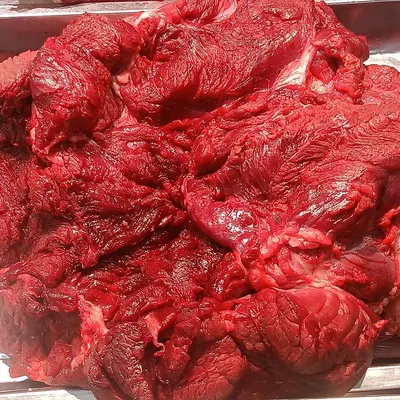
About Tabarak International - Meat & Poultry Supplier in Pakistan
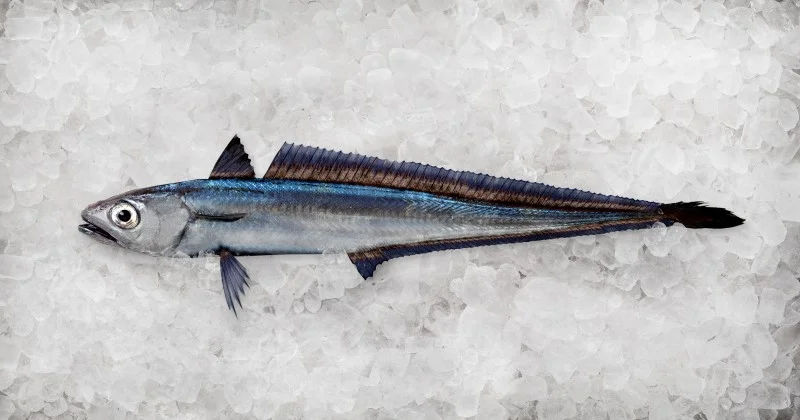
Based in Pakistan, Tabarak International lists six active products in its catalogue. The company’s offerings fall under the Meat & Poultry, Agriculture and Fresh Beef categories and include frozen ribbon fish as well as a variety of dry and salted omasum sourced from buffalo and cow. The omasum range comprises dry omasum, salted dry omasum, and mixed‑species omasum products, each described by the catalogue as separate items. The product list reflects both seafood and bovine off‑cut meats commonly traded under HS chapter 02 for meat and HS chapter 03 for fish.
Pakistani exporters of frozen fish typically ship the product in insulated boxes with ice packs, adhering to standards such as a maximum moisture loss of 5 % and frozen temperature ≤ −18 °C. Omasum products are usually dried to a residual moisture of 8‑12 % and may be salted to a sodium chloride level of 10‑15 % for preservation. Buyers often encounter these goods under HS codes 0302 (fish, frozen) and 0203 (meat of bovine animals, fresh or chilled), with further sub‑headings for off‑cuts. The catalogue does not specify certifications, so importers normally request Halal, HACCP or ISO 22000 documentation for such meat items.
Product Range and Specialties of Tabarak International
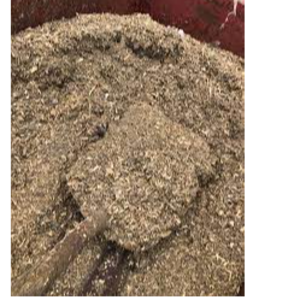
Tabarak International’s catalogue lists frozen ribbon fish and five variants of omasum, including dry, salted and mixed‑species forms from buffalo and cow. In the global market, frozen ribbon fish is classified as a white‑fleshed, low‑fat species and is commonly graded by size (e.g., 300‑500 mm) and ice glazing thickness (0.5‑1 mm). Omasum, the third stomach of ruminants, is marketed as a dried or salted off‑cut; industry grades differentiate by moisture content (dry 8‑12 %, salted 12‑15 %) and by species, with buffalo typically yielding larger pieces than cow.
Typical specifications for dried omasum include a bulk density of 0.6‑0.8 g/cm³ and packaging in 10 kg polypropylene bags or vacuum‑sealed packs of 20 kg. Salted omasum may be packed in 5 kg cartons with moisture‑barrier liners. Buyers accustomed to these products often request a Certificate of Origin and a Halal certification, as well as a laboratory analysis confirming microbial limits (e.g., total plate count ≤ 10⁴ CFU/g).
Frequently Asked Questions About Tabarak International
What HS codes are applicable to Tabarak International’s products?
Frozen ribbon fish is normally classified under HS 0302 90 (other fish, frozen) and the various omasum products fall under HS 0203 90 (other meat of bovine animals, frozen or chilled). The specific sub‑headings depend on whether the omasum is dry, salted or mixed‑species.
Are the meat products Halal certified?
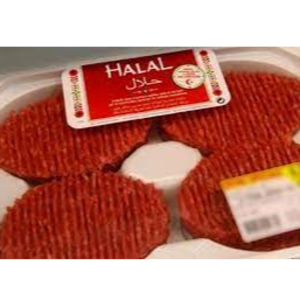
The catalogue does not state a certification, so buyers should request a current Halal certificate issued by an accredited authority in Pakistan before shipment.
What moisture content is typical for the dry omasum offered?
Industry practice for dried omasum targets a residual moisture of 8‑12 % by weight, which helps ensure shelf stability while preserving texture.
How is the frozen ribbon fish packaged for export?
It is usually packed in insulated wooden boxes or refrigerated containers with a layer of ice or gel packs, maintaining a temperature of ≤ −18 °C throughout transport.
Which documents are required for customs clearance of these goods?
Importers generally need a commercial invoice, a Certificate of Origin, a health or veterinary certificate for meat, a phytosanitary certificate for fish, and any Halal or HACCP documentation requested by the destination country.
 Pakistan
Related Suppliers & Products
Explore similar suppliers, related products and trending categories