
 Agriculture›
 Apparel and fashion accessories›
 Construction & real estate›💡Electronic & Electrical›🍎Food & Beverages›🛋️Home furnishing & supplies›⚗️Industrial goods & chemical›🪨Minerals & metals›📦Miscellaneous›Agriculture›Apparel and fashion accessories›Construction & real estate›💡Electronic & Electrical›🍎Food & Beverages›🛋️Home furnishing & supplies›⚗️Industrial goods & chemical›🪨Minerals & metals›📦Miscellaneous›
Suzhou Keysun Anti-Rust Co., Ltd.
⚓ Harbor , ChinaNew supplier / no reviews yet
Suzhou Keysun Anti-Rust Co., Ltd. Product Catalog
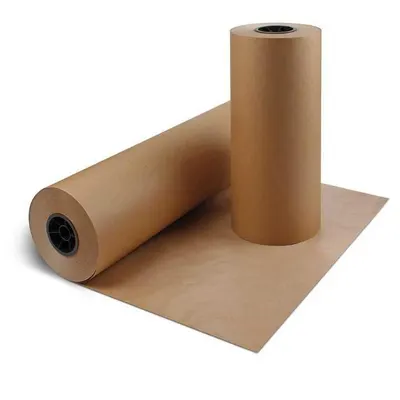
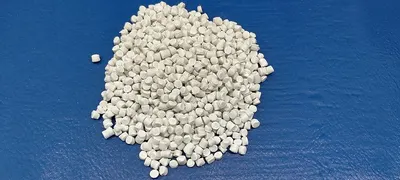
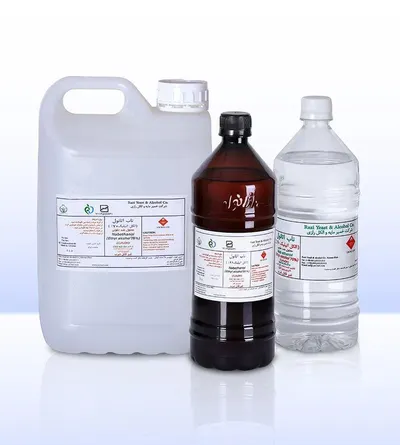
About Suzhou Keysun Anti-Rust Co., Ltd. - VCI Supplier in China
Suzhou, China hosts Suzhou Keysun Anti‑Rust Co., Ltd., which currently lists five active VCI‑related products. The catalogue comprises VCI film, VCI paper, VCI resin, VCI power and VCI liquid. These items fall under the broader categories of Agriculture, Plastic Foil and Masterbatch as indicated in the supplier profile. The VCI film and foil are supplied as polyethylene‑based sheets, while the resin, power and liquid are concentrated forms intended for blending. All five products are identified as volatile corrosion inhibitor solutions for metal preservation.
The company's focus on VCI technology aligns with common industry applications such as protecting agricultural machinery, packaging of steel components, and incorporation into masterbatch formulations for downstream plastic processing. Typical specifications include inhibitor loading rates of 0.1‑0.5 % by weight for resin, emission rates of 0.5‑2 mg m‑2 day‑1 for film, and a service life of 6‑12 months under standard storage conditions. Buyers often request compliance documentation for REACH and safety data sheets. The product range does not list any certifications held by the supplier, so purchasers should verify conformity with relevant standards before contract.
Product Range and Specialties of Suzhou Keysun Anti-Rust Co., Ltd.
The catalogue lists VCI film (polyethylene or polypropylene sheet), VCI paper (cellulose base impregnated with inhibitor), VCI resin (solid polymer matrix for extrusion), VCI power (powdered form for blending) and VCI liquid (solvent‑based concentrate). In the plastics sector, VCI film is typically offered in thicknesses from 30 µm to 120 µm and packaged in rolls up to 1 000 m. VCI paper is supplied in standard A4 sheets or bulk rolls, with inhibitor content expressed in mg kg‑1. VCI resin and power are graded by inhibitor loading, commonly 0.2‑0.8 % for resin and 0.5‑2 % for power.
Industry references such as ISO 15530 for corrosion‑protection performance and ASTM G1 for corrosion‑rate measurement are frequently applied to VCI products. Masterbatch users usually require the VCI additive to be compatible with PVC, PE or PP matrices and to meet melt‑flow‑index ranges of 5‑30 g/10 min. Agricultural equipment manufacturers often specify a minimum emission rate of 1 mg m‑2 day‑1 to ensure adequate protection during seasonal storage.
Frequently Asked Questions About Suzhou Keysun Anti-Rust Co., Ltd.
What VCI product forms are listed by Suzhou Keysun Anti‑Rust?
The supplier lists five VCI products: VCI film, VCI paper, VCI resin, VCI power (powder) and VCI liquid (concentrate). Each form is intended for a different application method, such as surface wrapping, sheet‑based packaging or blending into plastic compounds.
Which HS‑code chapters cover these VCI items?
VCI film and VCI paper are classified under HS Chapter 39 (plastic articles). VCI resin, VCI power and VCI liquid fall under HS Chapter 38, which covers chemical preparations and mixtures.
What key specifications should I verify for VCI film?
Typical specifications include sheet thickness (30‑120 µm), inhibitor emission rate (0.5‑2 mg m‑2 day‑1) and service life (6‑12 months under normal storage). Buyers also check the base polymer type, usually polyethylene or polypropylene.
What documentation is normally required before importing VCI chemicals from China?
Importers generally request a REACH registration number, a safety data sheet (SDS), a certificate of analysis showing inhibitor loading, and test reports that confirm emission or corrosion‑inhibition performance according to ISO 15530 or ASTM G1.
How are VCI film and liquid typically packaged for export?
VCI film is usually wound on rolls, shrink‑wrapped and stacked on wooden pallets. VCI liquid and powder are commonly packed in sealed steel drums or intermediate bulk containers (IBCs) to prevent leakage and contamination.
ChinaRelated Suppliers & Products
Explore similar suppliers, related products and trending categories