Steel Hands Korea — Verified Supplier
About Steel Hands Korea - Plastic Scrap Supplier in South Korea (Republic Of Korea)
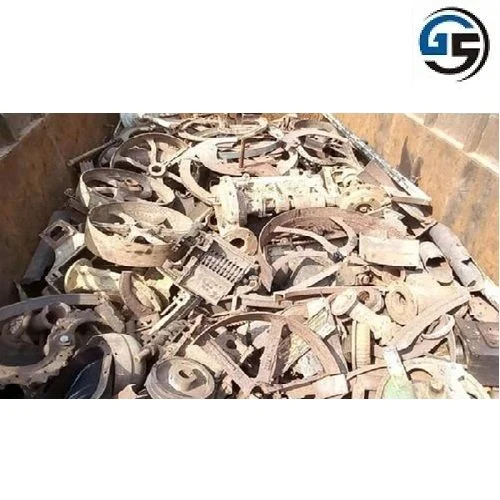
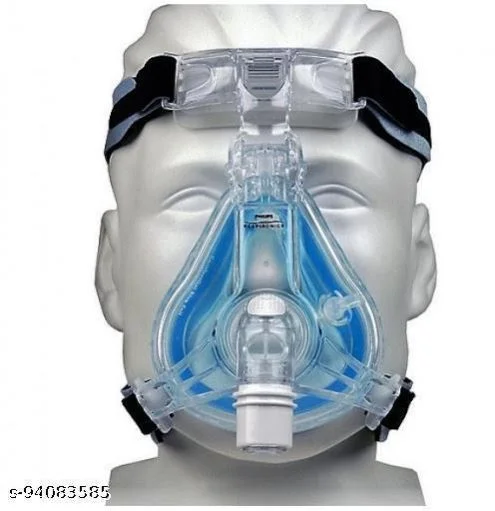
South Korea (Republic Of Korea) hosts Steel Hands Korea, which currently lists eight distinct product entries in its catalogue. The supplier’s portfolio spans plastic scrap, medical face masks and diagnostic kits, as well as metal commodities such as stainless steel round bars, copper wire scrap, and filament yarn. Each product is associated with a specific HS‑code family, for example stainless steel bars fall under HS 7222.20, copper wire scrap under HS 7404.00, and the COVID‑19 test kits under HS 3822.00. The catalogue also references mixed nylon (PA6, PA66) fishnet scrap and PET fishing‑net scrap, showing a focus on recycled polymer feedstocks.
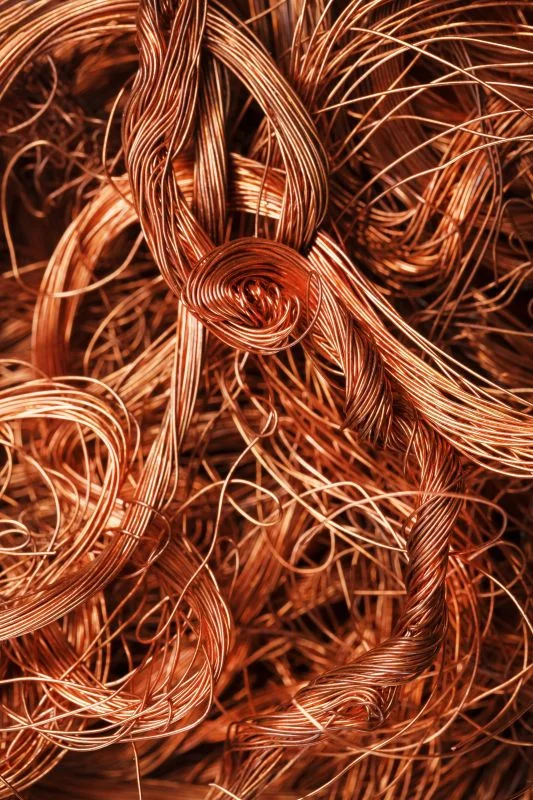
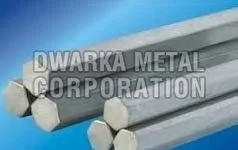
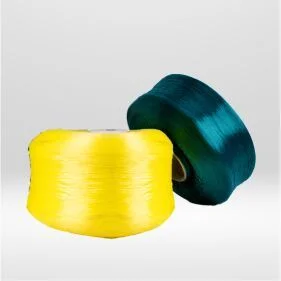
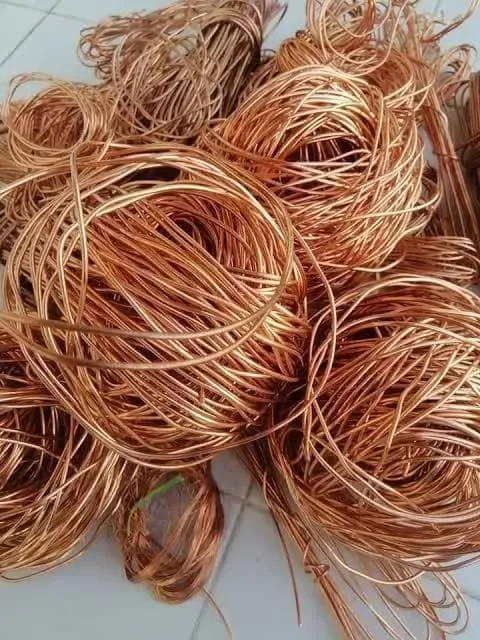
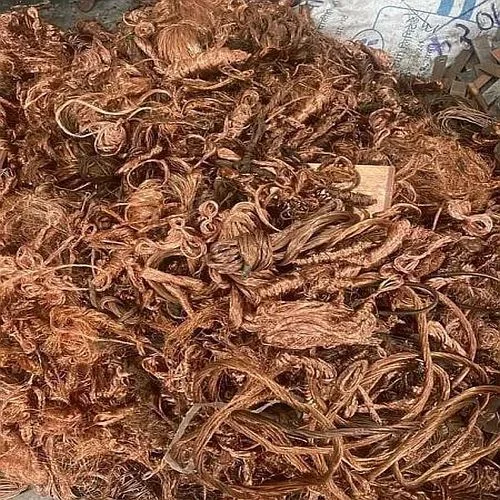
The listed items include “Fishnet (PA6, PA66 Mixed Scrap), Nylon Scrap”, “Electronic Plastic Scrap”, “Pet Used Fishnet Scrap”, and “WASTE NYLON YARN (FISHNET, FISHING, PA6, PA66)”. Metal offerings comprise “Steel Round Bar” made from stainless steel grades 304/316 and “Copper Wire Scrap (Korea)” with a purity of 99.9 % (Mill Berry grade). Two entries describe COVID‑19 diagnostic kits, both coded 3822.00, detailing immunochromatographic reagents such as colloidal gold conjugate and nitrocellulose membranes. The product set therefore covers both polymer recycling streams and high‑value metal and medical‑device commodities, each mapped to its relevant HS chapter.
Product Range and Specialties of Steel Hands Korea
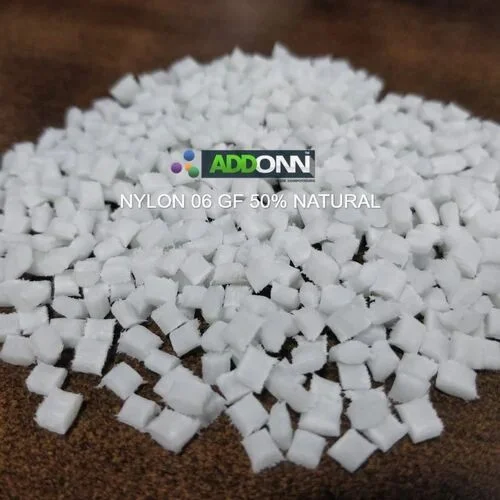
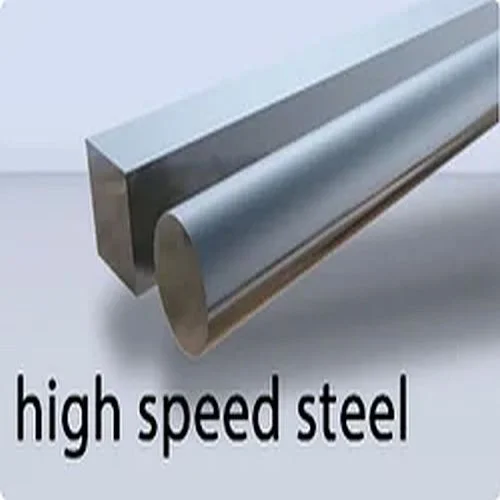
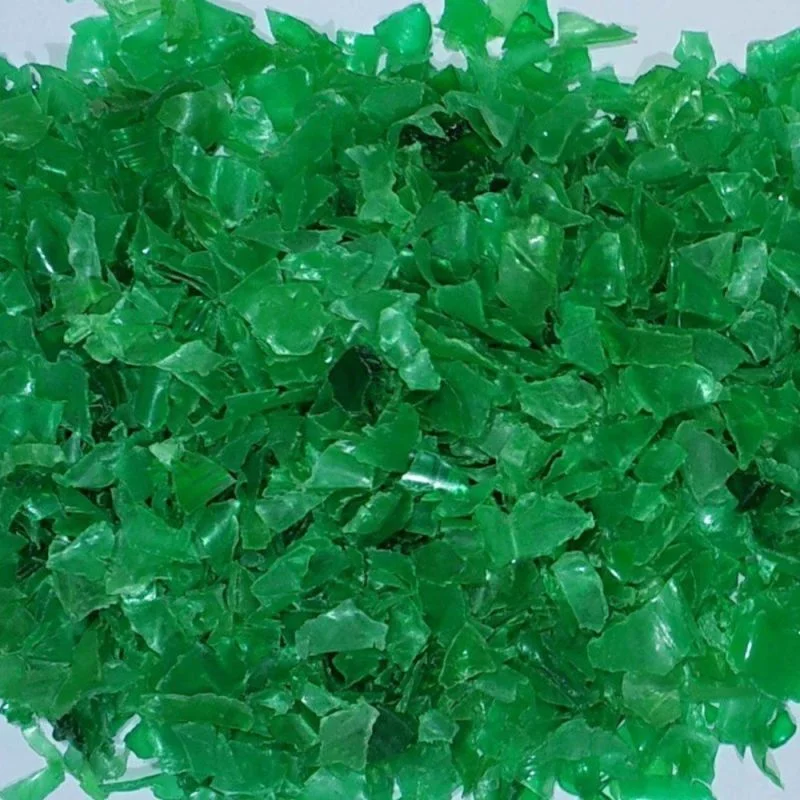
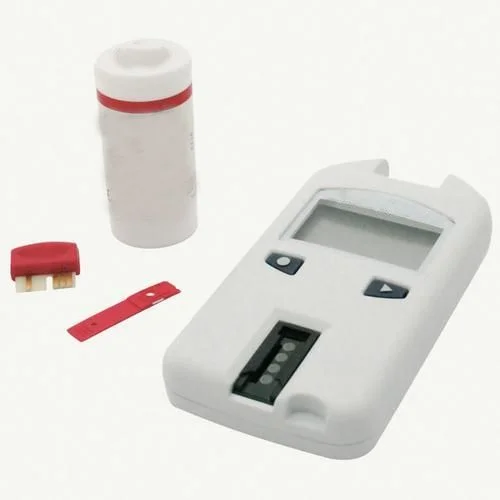
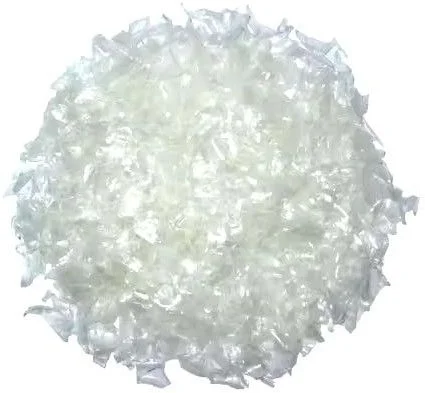
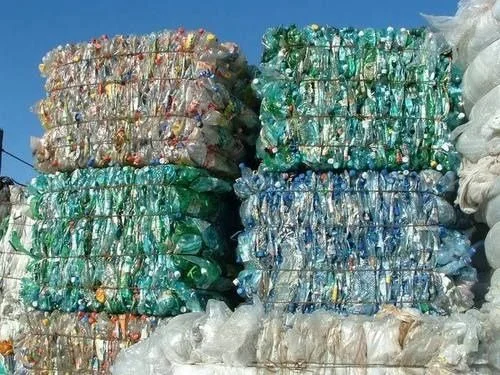
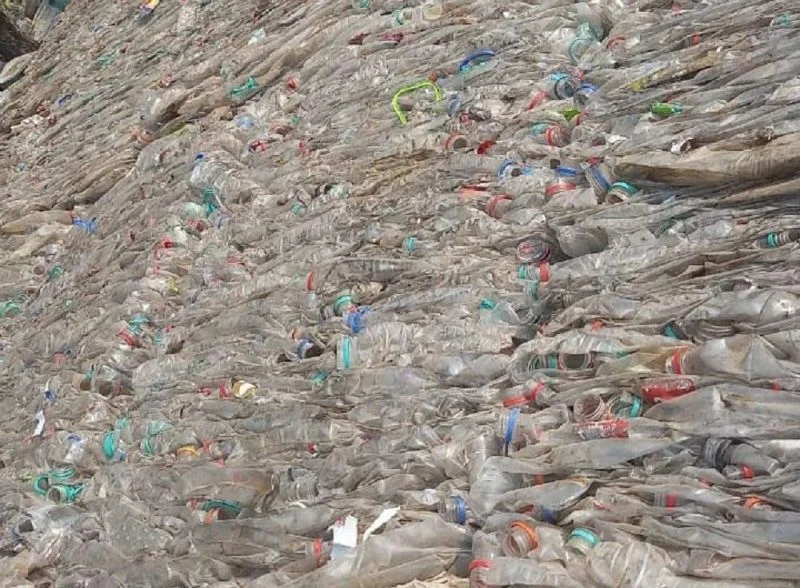
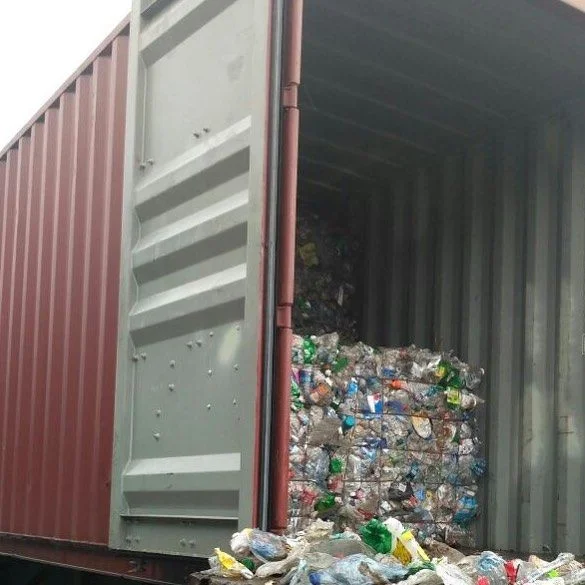
The polymer scrap segment includes recycled nylon (PA6, PA66) and PET sourced from fishing nets. In the recycling industry, nylon scrap is typically graded by melt‑flow index (MFI 30‑50 g/10 min) and inspected for contamination below 0.5 % by weight, while PET net scrap is evaluated for intrinsic viscosity (IV 0.70‑0.85 dl/g) and moisture content under 0.2 %. Stainless steel round bars are commonly supplied in grades 304 and 316, with standard diameters ranging from 6 mm to 40 mm and tolerances of ±0.02 mm, conforming to ASTM A276. Copper wire scrap classified under HS 7404.00 is usually presented as Mill‑Berry grade 99.9 % copper, baled in 500 kg units, and may be shredded to 5 mm strands for melting. Diagnostic kits for COVID‑19 fall within HS 3822.00; industry standards require CE marking, ISO 13485 quality management, and performance data such as sensitivity ≥95 % and specificity ≥98 %. The catalogue’s mix of recycled polymers, precision stainless steel, high‑purity copper, and regulated medical kits reflects typical exportable commodity groups from South Korea.
Trade and Export Information - Steel Hands Korea
South Korea’s export infrastructure supports bulk shipments of metal scrap and polymer recyclates to the European Union, United States, and Southeast Asian markets, where demand for stainless steel 304/316 and high‑purity copper remains strong. HS chapter 72 (iron and steel) and chapter 74 (copper and articles) are routinely inspected under the Korean Customs Service’s export verification system, with buyers often requesting mill test reports and origin certificates. Plastic recyclates (HS 39) are subject to contamination testing and may require a Material Safety Data Sheet (MSDS) for customs clearance. Medical diagnostic kits (HS 38) typically need a CE Declaration of Conformity and may be subject to FDA 510(k) review when destined for North America. Logistics commonly employ 20‑ft or 40‑ft containers for metal and polymer bales, while test kits are shipped in insulated cartons with temperature monitoring. Standard Incoterms used by South Korean exporters include FOB Busan and CIF major European ports, allowing buyers to plan freight and insurance accordingly.
Sourcing from Steel Hands Korea - Buyer Guidance
When sourcing stainless steel round bars from Steel Hands Korea, request a Mill Test Certificate that confirms grade 304 or 316, chemical composition, and mechanical properties such as tensile strength ≥520 MPa. For copper wire scrap, obtain a purity assay report confirming 99.9 % copper and a weight‑verification statement for each bale. Polymer scrap buyers should ask for a contamination analysis, melt‑flow index (for nylon) or intrinsic viscosity (for PET), and a moisture content test result. Diagnostic kit purchasers must verify CE marking, request the ISO 13485 certificate, and review performance validation data, including sensitivity and specificity figures. In all cases, confirm the HS code on the commercial invoice matches the product description and ask for a packing list that indicates container sealing method and any moisture‑absorbing liners used for polymer shipments.
Frequently Asked Questions About Steel Hands Korea
What HS codes are associated with the metal products listed by Steel Hands Korea?
Stainless steel round bars are listed under HS code 7222.20, while copper wire scrap is classified under HS code 7404.00.
Which grades of stainless steel are offered in the catalogue?
The steel round bar product specifies stainless steel grades 304 and 316, commonly used for corrosion‑resistant applications.
What material purity is claimed for the copper wire scrap?
The copper wire scrap is described as Copper Cu 99.9 % (Mill Berry Grade).
What documentation should a buyer request for the COVID‑19 test kits?
Buyers should request a CE Declaration of Conformity, the ISO 13485 quality‑management certificate, and the performance validation report showing sensitivity and specificity.
Are there typical minimum order quantities for the polymer scrap products?
Recycled polymer scrap is usually sold in bulk bales ranging from 500 kg to 1 ton, with the exact MOQ defined by the supplier per shipment.
What packaging formats are standard for the stainless steel and copper scrap?
Both metal scrap types are typically packed in steel‑lined wooden pallets or bulk bales, secured for 20‑ft or 40‑ft container loading.
Which certifications are commonly required for importing medical diagnostic kits from South Korea?
Importers generally require CE marking, ISO 13485 certification, and, for North American markets, FDA 510(k) clearance or equivalent documentation.
What quality tests are typical for nylon and PET scrap before export?
Nylon scrap is tested for melt‑flow index and contamination below 0.5 %, while PET scrap is evaluated for intrinsic viscosity and moisture content under 0.2 %.




 , South Korea (Republic Of Korea)