Agriculture›
 Apparel and fashion accessories›
 Construction & real estate›💡Electronic & Electrical›🍎Food & Beverages›🛋️Home furnishing & supplies›⚗️Industrial goods & chemical›🪨Minerals & metals›📦Miscellaneous›Agriculture›Apparel and fashion accessories›Construction & real estate›💡Electronic & Electrical›🍎Food & Beverages›🛋️Home furnishing & supplies›⚗️Industrial goods & chemical›🪨Minerals & metals›📦Miscellaneous›
Southern International Co., Ltd
⚓ Harbor , Viet NamNew supplier / no reviews yet
Southern International Co., Ltd Product Catalog

About Southern International Co., Ltd - Starch Supplier in Viet Nam
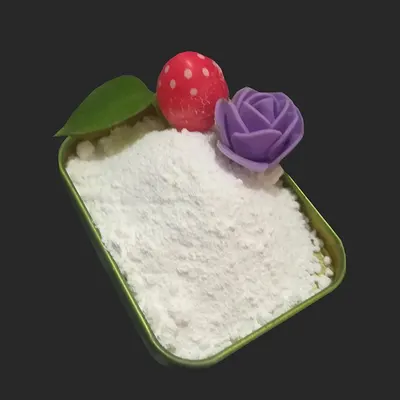
Southern International Co., Ltd operates out of Viet Nam and currently lists six active products on its catalogue. The supplier’s portfolio spans the Agriculture and Starch categories, with a focus on tapioca‑derived starches and related logistics services. Each entry references a distinct product type, ranging from generic logistics support to several variants of native tapioca starch marketed as food‑grade. The catalogue explicitly names items such as "Tapioca Cassava Starch" and "Native Tapioca Starch Food Grade," indicating a concentration on raw starch material rather than processed food items.
The supplier’s product set includes three food‑grade tapioca starch listings - "Native Tapioca Starch Food Grade," "Native Tapioca Starch Made In Vietnam," and "Good Native Tapioca Starch Food Grade" - alongside a broader logistics offering. No additional manufacturing details, certifications, or capacity figures are provided, so the description is limited to the stated product names and their classification under the Starch segment.
Product Range and Specialties of Southern International Co., Ltd
The catalogue offers a logistics service and five variants of native tapioca starch, all identified as food‑grade. In the global market, native tapioca starch is typically supplied in 25 kg polypropylene bags, with moisture content not exceeding 12 % and ash content below 0.5 %. Common quality grades include a neutral pH (6.5‑7.5), granule size between 10 µm and 30 µm, and a viscosity range of 150‑250 cP at 20 % solids. Buyers also encounter modified starches (e.g., oxidized or cross‑linked), but the supplier’s listings are limited to the native, unmodified type.
Industry practice for food‑grade tapioca starch from Vietnam includes compliance with HACCP and ISO 22000 food‑safety systems, as well as documentation of GMO‑free status. Export packages are usually palletised for sea freight, with a standard 20 ft container holding roughly 800‑900 bags, which translates to a total shipment weight of about 20‑22 tonnes.
Frequently Asked Questions About Southern International Co., Ltd
What types of tapioca starch does Southern International Co., Ltd list?
The supplier lists three food‑grade native tapioca starch products: "Native Tapioca Starch Food Grade," "Native Tapioca Starch Made In Vietnam," and "Good Native Tapioca Starch Food Grade."
How should a buyer request a sample from Southern International Co., Ltd?
Buyers should contact the supplier to arrange a small‑quantity shipment of the 25 kg bag type, accompanied by a Certificate of Analysis, to evaluate solubility and functional properties before placing a larger order.
Are logistics services included in the product catalogue?
Yes, the catalogue includes a generic "Logistics Services" entry, indicating the supplier can arrange freight handling and container booking for starch shipments.
What standard specifications should a buyer verify for the listed starches?
Buyers should check moisture content (≤12 %), ash content (≤0.5 %), pH (6.5‑7.5), granule size (10‑30 µm) and verify that the starch meets food‑grade microbiological limits.
Which certifications are typically required for food‑grade tapioca starch imports?
Importers usually require a Certificate of Analysis, a Certificate of Origin, and evidence of HACCP or ISO 22000 food‑safety compliance.
Viet NamRelated Suppliers & Products
Explore similar suppliers, related products and trending categories