Sou Bond Sdn Bhd — Supplier
About Sou Bond Sdn Bhd - Rubber Items Supplier in Malaysia
Malaysia hosts Sou Bond Sdn Bhd with an active catalogue of ten distinct products. The supplier lists items across five top categories: Rubber Items, Lubricants, Masterbatch, Rubber Chemicals, Industrial Machinery and Raw Rubber. Each entry is identified by a product name such as Rubber Homogenizer 40 or NBR Latex, reflecting a focus on processing equipment and material additives used in rubber manufacturing. The catalogue does not provide HS codes, so classification must follow the standard HS chapters for rubber and related chemicals. The supplier’s trust tier is recorded as “harbor”, indicating a mid‑level verification status within the platform.
The product list includes two rubber lubricants (Rubber Lubricant 42 and Rubber Lubricant 222), a rubber homogenizer, a physical peptizer, a dispersing aid, two masterbatch accelerator entries, a generic rubber processing chemical, a specialty polymer labelled SCGTPE, and NBR latex. These items cover both consumables for rubber compounding and equipment that supports rubber processing lines. The inclusion of masterbatch accelerators points to additive formulations that modify cure rates, while the NBR latex entry suggests a raw material for dipped or molded products. No additional company history, employee numbers, or revenue data are supplied.
Product Range and Specialties of Sou Bond Sdn Bhd
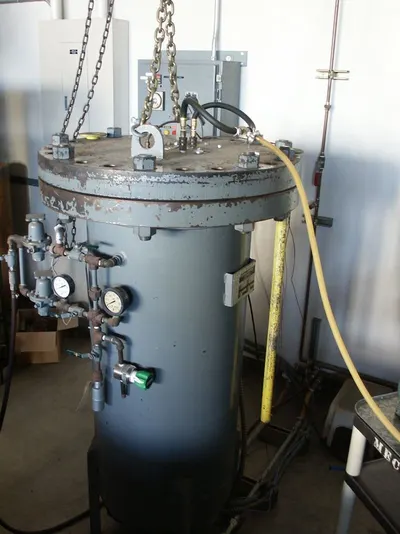
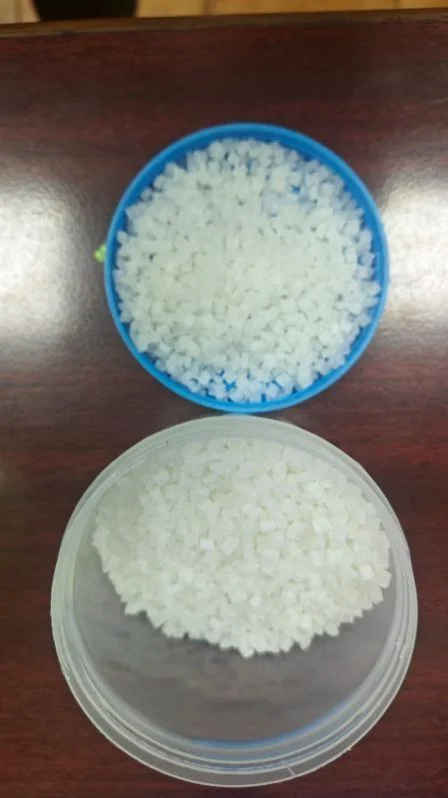
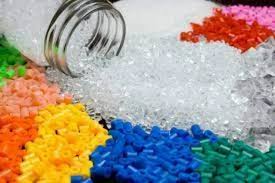
Sou Bond’s catalogue spans processing machinery such as the Rubber Homogenizer 40, which is typically used to achieve uniform filler dispersion in rubber compounds. In the rubber chemicals segment, products like Rubber Physical Peptizer 60 and Rubber Dispersing Aid 44 are common additives that improve polymer chain mobility and prevent agglomeration; industry specifications often cite viscosity ranges of 150 - 250 cP at 25 °C and particle size below 10 µm. The two Rubber Lubricant entries normally meet ISO 281 standard requirements for friction reduction, with typical pour points between - 20 °C and - 30 °C and a viscosity index above 90. Masterbatch accelerators are supplied as dry powders or granules, frequently graded by accelerator content (e.g., 1‑5 % of zinc dibutyldithiocarbamate) and color consistency measured by L*a*b* values. NBR latex is generally offered in concentrations of 30 - 60 % solid content, with a pH of 9 - 10 and low microbial counts, suitable for automotive hose and glove production. Although no HS codes are listed, the products align with HS Chapter 40 for rubber and HS Chapter 38 for lubricants, and HS Chapter 39 for plastic masterbatches.
Industry practice for these categories includes adherence to ASTM D 2000 for rubber compounds, ISO 9001 quality management, and, where export‑bound, compliance with REACH or EU‑Regulation 1907/2006 for chemical safety. Buyers often request safety data sheets (SDS), technical data sheets (TDS), and batch‑specific test certificates that confirm properties such as tensile strength, elongation at break, and cure characteristics. Packaging for chemicals and powders typically involves 25 kg fiber drums or 20 ft containers with inner liners to prevent moisture ingress.
Trade and Export Information - Sou Bond Sdn Bhd
Malaysia ranks among the world’s top exporters of natural rubber and rubber‑based chemicals, supplying mainly to the automotive, footwear, and industrial sectors in the European Union, United States, China, and Japan. Rubber processing equipment and additives from Malaysia are commonly classified under HS Chapter 40 (rubber and articles thereof) and Chapter 38 (organic chemicals). Buyers importing these goods often encounter customs requirements for CO and NO emission limits, as well as documentation such as a commercial invoice, packing list, and certificates of origin. Typical incoterms for Malaysian rubber exports include FOB Port Klang or CIF Shanghai, with container loads ranging from 20 ft (approximately 18 metric tons of bulk chemicals) to 40 ft for machinery. Exporters frequently hold ISO 9001 and may seek additional certifications like ISO 14001 for environmental management, although such certifications are not listed for this supplier.
The supplier’s catalogue does not specify target markets, but Malaysian rubber exporters generally serve automotive tire manufacturers, industrial seal producers, and polymer compounding firms. Logistics considerations include the need for moisture‑controlled storage for latex and sealed drums for lubricants, with standard freight forwarders providing temperature‑controlled containers where required.
Sourcing from Sou Bond Sdn Bhd - Buyer Guidance
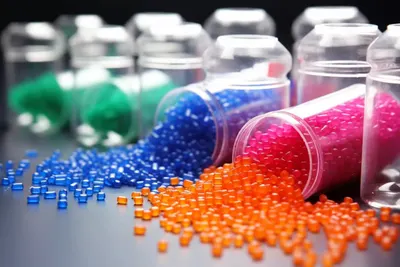
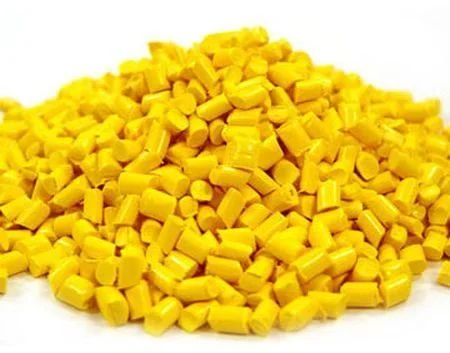
When sourcing from Sou Bond, buyers should request the latest SDS and TDS for each chemical or additive, confirming compliance with REACH if the shipment is destined for the EU. For equipment such as the Rubber Homogenizer, a performance test report covering motor power, maximum rpm, and safety certifications (e.g., CE or UL) should be obtained before finalizing the order. Verify that masterbatch accelerators are accompanied by a certificate of analysis that lists accelerator concentration, bulk density, and particle size distribution.
Samples are typically supplied in 5 kg batches for powders and 1 L drums for lubricants; buyers should request a sample batch to run trial compounding and confirm cure characteristics against ASTM D 5289. Lead times for machinery can range from 6 to 12 weeks depending on configuration, while chemicals are often stocked for 2‑4 week dispatch. Ensure packaging meets the buyer’s storage conditions - e.g., sealed drums for moisture‑sensitive latex and palletized drums for bulk chemicals.
Frequently Asked Questions About Sou Bond Sdn Bhd
What product categories does Sou Bond Sdn Bhd list in its catalogue?
The catalogue includes Rubber Homogenizer, two Rubber Lubricants, Masterbatch Accelerators, Rubber Processing Chemicals, SCGTPE polymer, Rubber Physical Peptizer, Rubber Dispersing Aid, and NBR Latex, covering equipment, chemicals, and raw rubber materials.
Are HS codes provided for the listed products?
No specific HS codes are supplied in the catalogue; however, the products fall under standard HS chapters such as 40 for rubber items, 38 for lubricants, and 39 for plastic masterbatches.
What certifications should a buyer request for the rubber chemicals?
Buyers should request safety data sheets, technical data sheets, and a certificate of analysis that confirms compliance with REACH, ISO 9001 quality management, and any relevant ASTM specifications for rubber compounds.
How is the NBR latex typically packaged for export?
NBR latex is usually shipped in sealed, nitrogen‑purged containers or drums ranging from 25 kg to 200 kg, with a solid content of 30‑60 % and pH maintained between 9 and 10 to ensure stability during transit.
What are typical lead times for the Rubber Homogenizer equipment?
Lead times for the Rubber Homogenizer 40 generally range from six to twelve weeks, depending on customization, component availability, and shipping terms.
Which markets commonly import Malaysian rubber processing chemicals?
Key import markets include the European Union, United States, China, Japan, and Southeast Asian countries, where the automotive, footwear, and industrial seal sectors are major consumers of these chemicals.
What packaging standards apply to the masterbatch accelerators?
Masterbatch accelerators are commonly packed in 25 kg fiber drums or 20 ft containers with inner liners, meeting ISO 9001 packaging quality and moisture barrier requirements.
What documentation is required for customs clearance of these goods?
Customs typically require a commercial invoice, packing list, certificate of origin, safety data sheets, and any applicable REACH or EU conformity certificates.




 , Malaysia