Sorathiya International Pvt. Ltd. — Verified Supplier
About Sorathiya International Pvt. Ltd. - Pulses and Flours Supplier in India
Sorathiya International Pvt. Ltd. is based in India and lists twenty distinct products across pulses, cereals, and starches. The catalogue includes chickpeas, various lentils, multiple grain flours, wheat, maize, millet, sorghum, and corn starch, representing the top categories identified in the source data. Indian exporters of pulses typically fall under HS Chapter 07 (e.g., 0703 for fresh beans, 0713 for dried beans and peas) while cereal flours are classified in Chapter 11, as shown by the listed millet flour with HS code 1102.90. The supplier’s product set reflects common Indian export commodities that serve markets in the Middle East, Africa, and Southeast Asia.
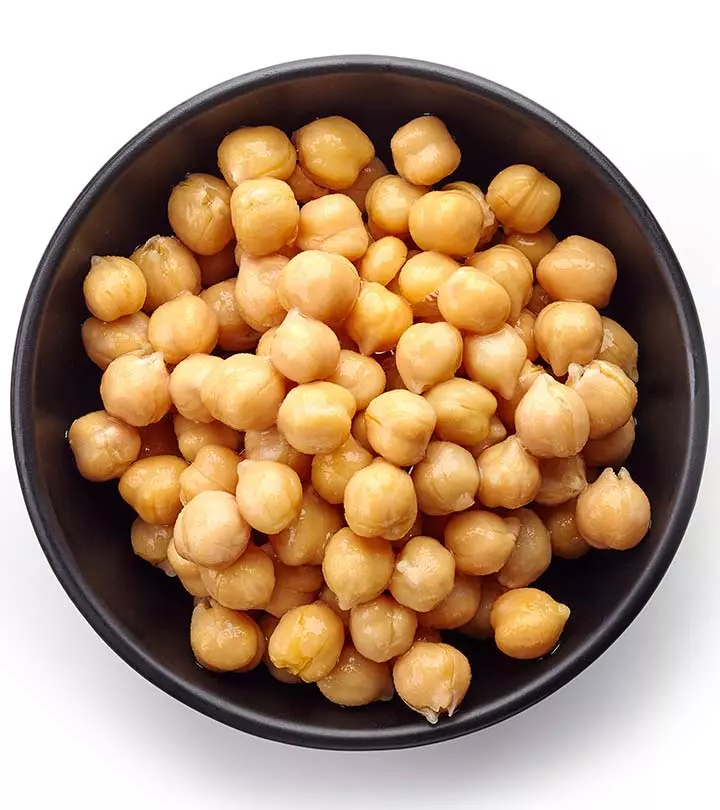
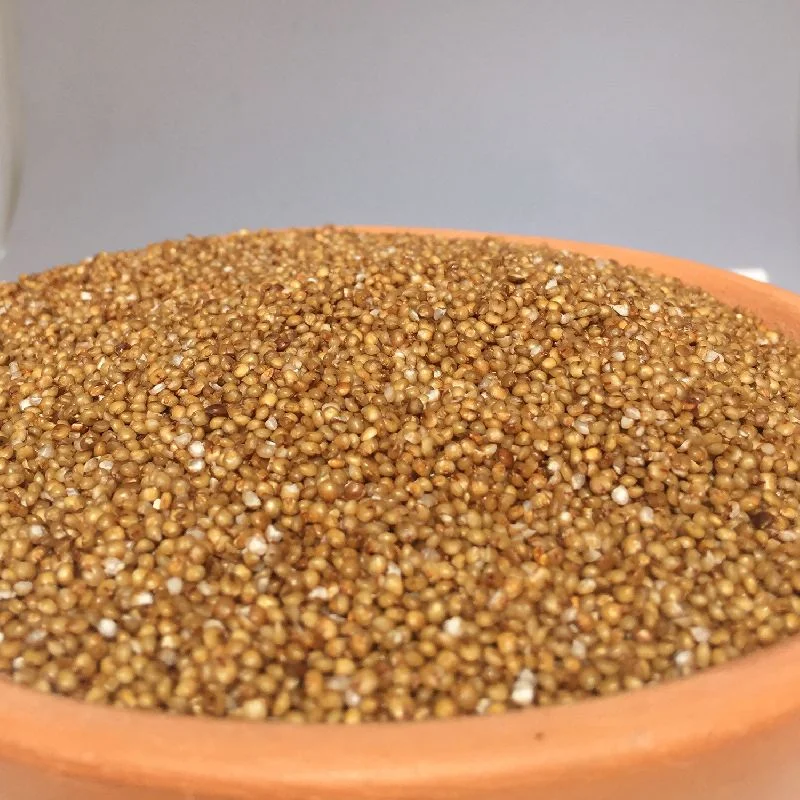
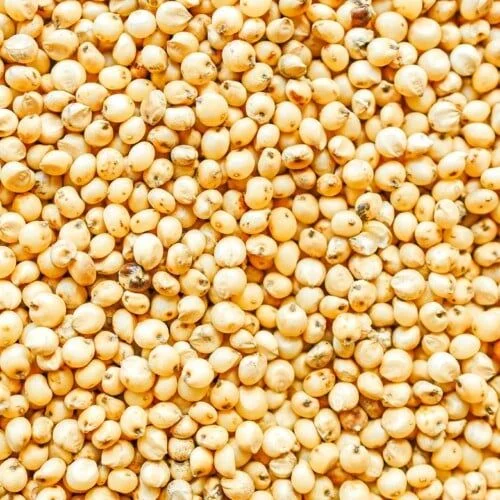
The product list enumerates specific items such as White Chickpeas Kabuli Chana, Split Green Gram Moong Dal, Urad Dal Chilka, Split Red Lentil Masoor Dal, Corn Starch, Wheat, and several regional flours like Chakki Atta and Jowar Atta. Each entry aligns with standard commodity definitions used in global trade databases, enabling buyers to match them to HS‑code families for customs clearance. The inclusion of both whole grains (e.g., Maize, Millet, Sorghum) and processed flours (e.g., Refine Wheat Flour Maida, Chickpea Flour Besan) provides a breadth of raw and value‑added agricultural products.
Product Range and Specialties of Sorathiya International Pvt. Ltd.
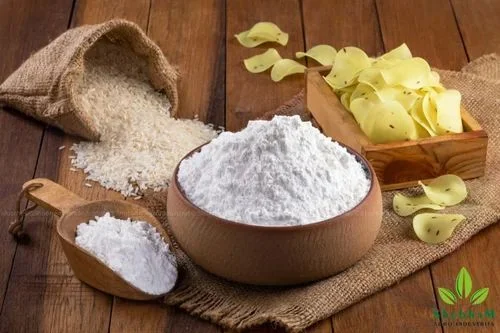
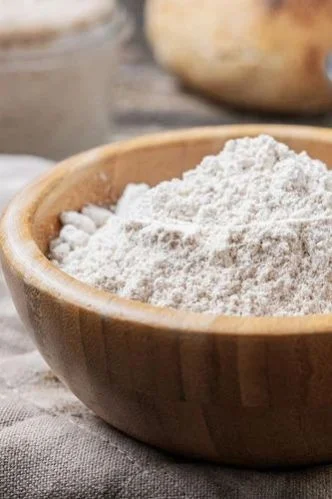
The catalogue covers twenty items, ranging from whole pulses such as White Chickpeas Kabuli Chana and Black Chickpeas Kala Chana to split varieties like Moong Dal and Masoor Dal. Grain flours include whole‑wheat Chakki Atta, refined Maida, maize corn flour, sorghum Jowar Atta, and millet Bajra Atta (HS 1102.90). Starch is represented by corn starch, and cereals include raw maize, millet, sorghum, and wheat. In the legume segment, industry grades are commonly denoted by size (15‑20 mm for Kabuli Chana), moisture ≤12 %, and protein content 20‑22 % for green gram. Flour specifications often cite extraction rate (e.g., 78 % for whole‑wheat Atta) and ash content ≤0.55 % for refined wheat flour.
Trade and Export Information - Sorathiya International Pvt. Ltd.
India is a leading exporter of pulses and cereal flours, with major destinations in the United Arab Emirates, Saudi Arabia, Kenya, and the European Union. Export shipments are usually packed in 20‑ft or 40‑ft containers, using food‑grade polyethylene bags (e.g., 25 kg per bag for flours) and moisture‑resistant liners for starch. Buyers commonly request certifications such as ISO 22000, HACCP, FSSC 22000, and where applicable organic or non‑GMO attestations. Customs clearance for the listed products relies on HS codes in Chapter 07 for pulses, Chapter 11 for milled grains, and Chapter 13 for starches, with import inspections focusing on pesticide residues, aflatoxin limits, and moisture levels.
Sourcing from Sorathiya International Pvt. Ltd. - Buyer Guidance
When sourcing from Sorathiya International, buyers should request a product specification sheet that includes moisture, protein, ash, and particle size data for each pulse or flour. Laboratory test reports for pesticide residues, aflatoxin, and microbiological safety are standard documents for Indian pulse exports and should be obtained before placing a bulk order. Verify that packaging meets the buyer’s logistics plan - for example, 25 kg polypropylene bags for flours or 20 kg bulk bags for whole grains - and confirm the Incoterm (CIF or FOB) to align with shipping responsibilities.
Frequently Asked Questions About Sorathiya International Pvt. Ltd.
What HS codes are used for the listed millet flour?
The Millet Flour Bajra Atta is classified under HS code 1102.90, which covers other milled cereals. Other flours in the list fall under the broader HS 1101‑1106 range for wheat and maize flours.
Which quality parameters are typical for White Chickpeas Kabuli Chana?
Buyers usually check size (15‑20 mm), moisture ≤12 %, protein 20‑22 %, and ensure the beans are free of broken or discoloured pieces. A standard test report will confirm these parameters.
Are samples available for the split pulses?
Suppliers of Indian pulses commonly provide 1 kg sample packs for each variety, packed in sealed food‑grade bags, allowing buyers to run their own laboratory analysis before a full order.
What certifications should I request for corn starch imports?
Typical certifications include a Certificate of Analysis, ISO 22000 or HACCP compliance, and a phytosanitary certificate confirming the product is free from pests and contaminants.
What are the usual container loading capacities for wheat flour?
A 20‑ft container can hold approximately 18‑20 metric tonnes of wheat flour packed in 25 kg bags, while a 40‑ft container can accommodate about 38‑40 tonnes.
Which regions import Indian pulses and flours most frequently?
The Middle East, East Africa, Southeast Asia, and the European Union are the largest import markets for Indian pulses and cereal flours, driven by demand for protein‑rich staple foods.
What documentation is required for customs clearance of split lentils?
Customs typically require a commercial invoice, packing list, Certificate of Origin, and a phytosanitary certificate. A test report showing compliance with pesticide residue limits is also often requested.
What is the standard lead time for bulk orders of gram flour (Besan)?
Lead times for gram flour shipments from India generally range from 25 to 35 days, covering processing, packaging, and inland transport to the port.




 , India