Shubham International — Verified Supplier
About Shubham International - Agriculture Supplier in India
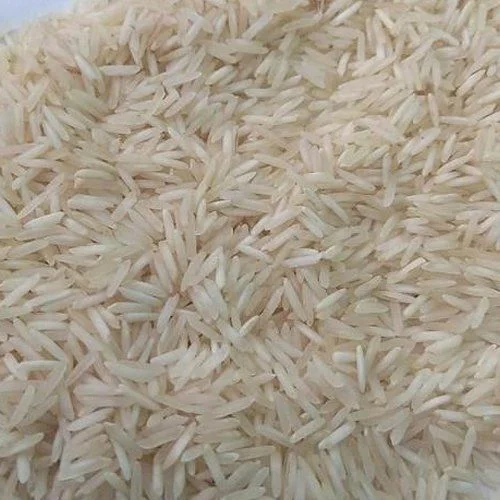
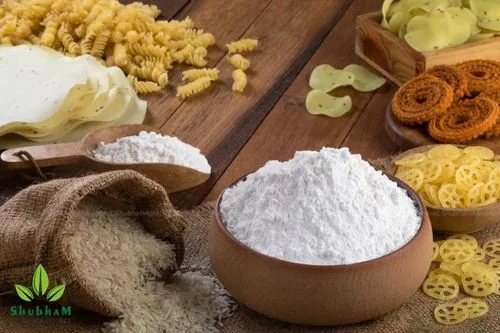
Shubham International is based in India and currently lists 17 active products across its catalogue. The catalogue spans agricultural commodities such as raw cashew nuts, palmine nuts, Basmati rice (HS 1006.30), red onions and wheat flour, as well as seafood items including frozen prawns. It also includes a wide selection of floor coverings and soft furnishings, ranging from Indo‑Nepali carpets and hand‑tufted pieces to Gabbeh rugs, flat durries, braided jute rugs and hand‑knotted rugs. The only products with explicit HS codes are the cotton‑covered puffs (HS 9404.90) and the 1121 Basmati rice (HS 1006.30). As an imported‑tier supplier, Shubham International sources these goods from Indian manufacturers and farms for onward international trade. The product set reflects typical Indian export categories in agriculture and textile home‑decor.
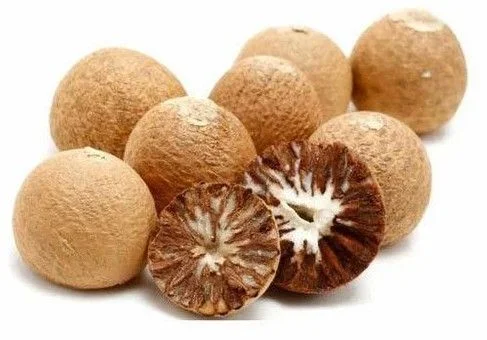
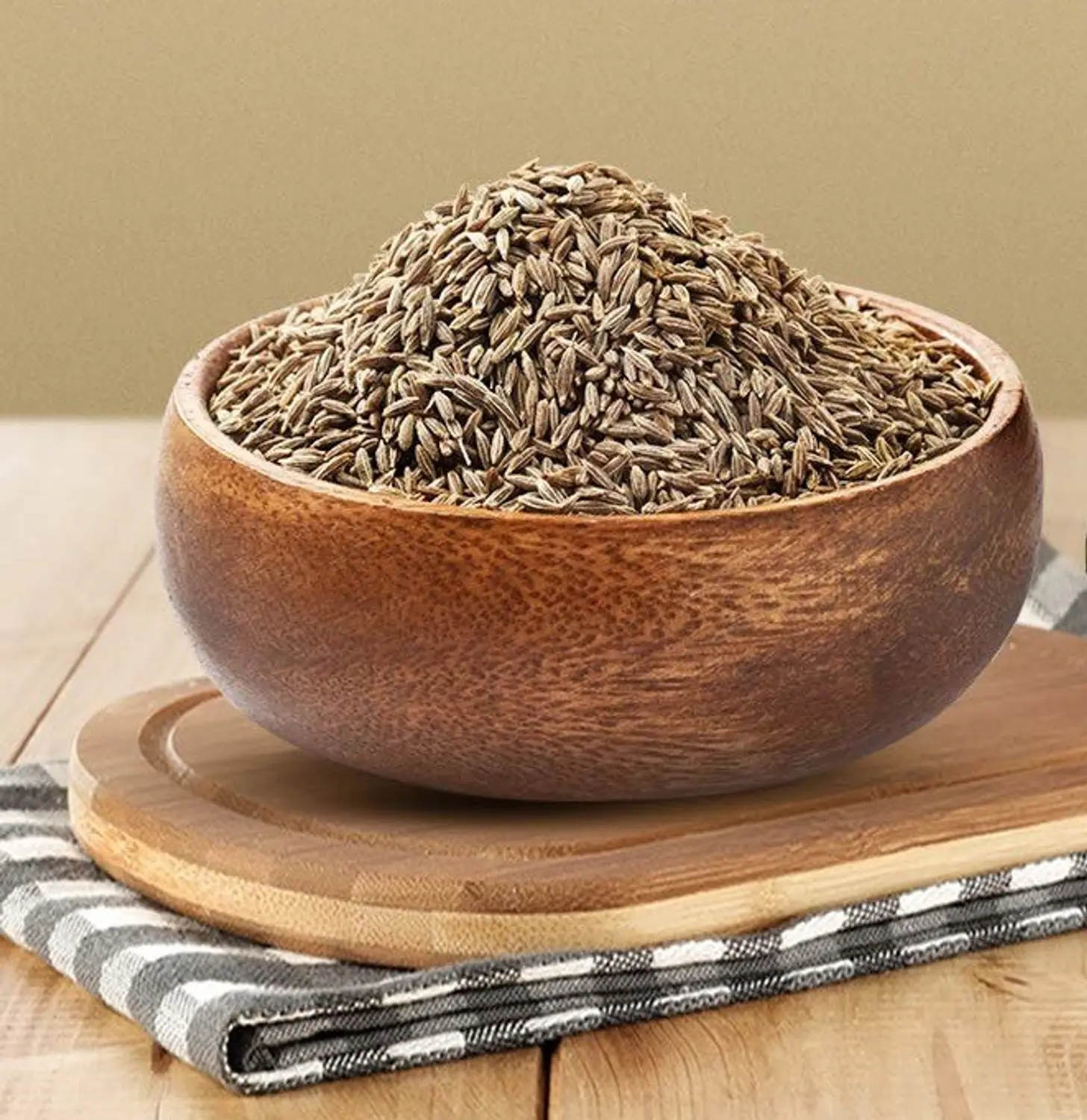
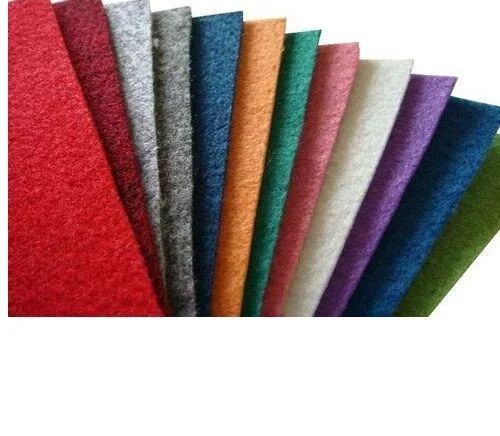
Carpet offerings cover traditional hand‑loomed and hand‑knotted techniques, with materials that include wool, jute and cotton blends, while the puff items are described as premium cotton cover with poly‑fil inner filling. Agricultural items include raw cashew kernels, palmine nuts, Ir 64 broken rice, cumin seeds and betel nut, each generally supplied in bulk bags or 20‑ft container loads. The seafood entry is listed under a generic “seafood” category that commonly comprises frozen prawns complying with HACCP standards. Wheat flour and red onions are typical staple exports that are packed in food‑grade sacks or bulk containers. The catalogue does not specify certifications, so buyers usually verify compliance with Indian food safety regulations such as FSSAI and relevant phytosanitary certificates. Overall, the product mix aligns with Indian export strengths in both textile home furnishings and food commodities.
Product Range and Specialties of Shubham International
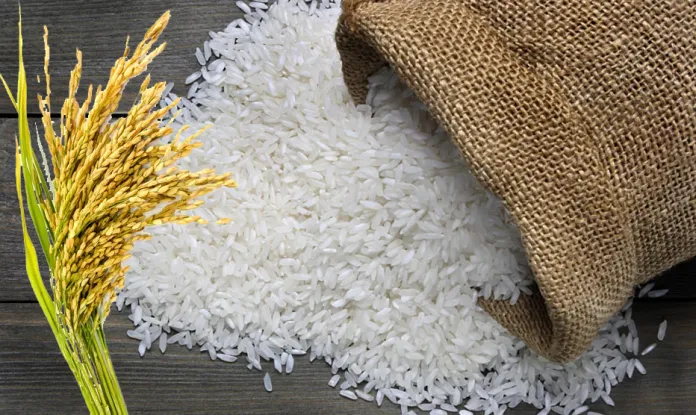
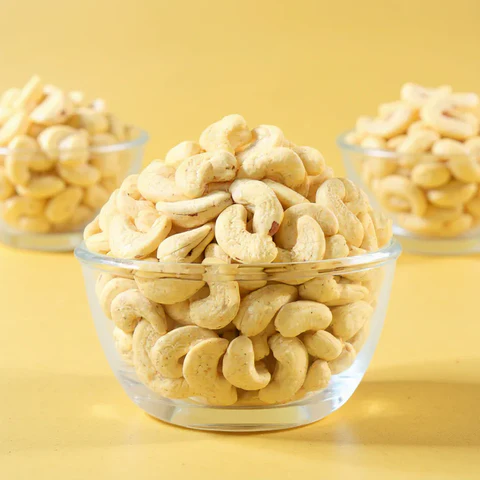
Indian hand‑knotted and hand‑loomed carpets are usually classified by knot count (e.g., 120‑200 knots per square inch) and made from wool or jute, with ISO 9001 quality management often applied by manufacturers. Gabbeh rugs and flat durries are flat‑weave pieces that commonly use wool or cotton yarns with a pile height of 2‑5 mm. For the puffs, the industry standard for indoor cushions specifies a cotton cover weight of 180‑200 gsm and poly‑fil fill density of 30‑35 kg/m³. Basmati rice (variety 1121) is typically graded to ICUMSA 45 whiteness, moisture ≤12 %, and broken grain ≤5 %, and is exported under HS 1006.30. Raw cashew nuts are usually sorted to a kernel size of 12‑15 mm and moisture ≤5 %, while palmine nuts follow similar size specifications. Cumin seeds are commonly sold in 25 kg bags meeting India’s Export Standard for spices (e.g., IS 1100) with maximum essential oil content of 0.6 %. Bulk broken rice (Ir 64) is graded by grain length (6‑8 mm) and moisture ≤13 %.
Trade and Export Information - Shubham International
India is a major exporter of hand‑crafted carpets to the United States, European Union and Middle‑Eastern markets, with HS chapter 94 covering floor coverings and textile floor products. Food commodities such as Basmati rice, cashew kernels, cumin seeds and onions are shipped under HS chapter 10 and HS chapter 07 respectively, often to GCC countries, Southeast Asia and Europe. Typical certifications requested by importers include an FSSAI export license, HACCP for seafood and phytosanitary certificates for nuts and spices. Export logistics commonly use 20‑ft or 40‑ft containers, with rice and wheat flour packed in 25 kg or 50 kg polypropylene bags, and carpets shipped in wooden crates with moisture‑controlled liners. Indian exporters frequently work on CIF or FOB terms, and customs inspections may require a certificate of origin and compliance with the importing country’s residue limits. Seasonal demand peaks for rice and onions during the northern‑hemisphere winter, influencing lead times of 30‑45 days from factory to port.
Sourcing from Shubham International - Buyer Guidance
Buyers should request a recent phytosanitary certificate for raw cashew nuts, palmine nuts and broken rice, as well as a moisture analysis report for wheat flour and Basmati rice. For carpet and rug orders, a sample of the yarn material, knot density chart and a third‑party lab test for fire resistance (e.g., BS 5852) are standard verification items. Seafood shipments should be accompanied by HACCP audit reports and a formal declaration of freezer temperature compliance. Typical minimum order quantities are one 20‑ft container for bulk food items (approximately 20‑25 tons) and a single crate (about 1‑2 tons) for carpet collections, though exact MOQ depends on product dimensions. Verify that the supplier can provide ISO 9001 or equivalent quality management documentation, and confirm packaging specifications such as bag weight, pallet dimensions and crate moisture barriers before finalizing the order. Lead times generally range from 30 days for processed food items to 45‑60 days for hand‑crafted carpet collections, subject to seasonal production schedules.
Frequently Asked Questions About Shubham International
What HS codes are associated with Shubham International’s products?
The catalogue lists HS 9404.90 for the cotton‑covered puffs and HS 1006.30 for the 1121 Basmati rice; other items fall under standard chapter 10 codes for rice, nuts and spices and chapter 94 for carpets and rugs.
Which certifications should a buyer request for the food products?
Buyers typically ask for an FSSAI export license, a phytosanitary certificate, and where applicable a HACCP audit report for seafood; spice and nut shipments also benefit from a pesticide‑residue test report.
What are the common packaging formats for the agricultural items?
Basmati rice, wheat flour and broken rice are usually packed in 25 kg or 50 kg polypropylene bags, nuts and spices in 25 kg jute or woven bags, and onions in ventilated 10 kg mesh bags; all are loaded into 20‑ft or 40‑ft containers.
How are the carpets and rugs typically shipped?
Carpet items are crated in wooden boxes with moisture‑absorbing liners, stacked on Euro pallets, and dispatched in 20‑ft containers (up to 1.5 tons) or 40‑ft containers (up to 3 tons) depending on volume.
What quality parameters are standard for the 1121 Basmati rice?
The variety is graded to ICUMSA 45 whiteness, moisture content not exceeding 12 %, broken grain ≤5 % and a kernel length of 7‑8 mm.
What sample procedures should a buyer follow for carpet orders?
Request a physical swatch of the yarn, a specification sheet showing knot count or weave density, and an independent fire‑safety test report; samples are usually sent by air freight in a small crate.
What is the typical lead time for a full container order of cashew nuts?
After order confirmation, processing, quality inspection and packaging take approximately 30 days, after which the goods are ready for shipment.




 , India