Agriculture›
 Apparel and fashion accessories›
 Construction & real estate›💡Electronic & Electrical›🍎Food & Beverages›🛋️Home furnishing & supplies›⚗️Industrial goods & chemical›🪨Minerals & metals›📦Miscellaneous›Agriculture›Apparel and fashion accessories›Construction & real estate›💡Electronic & Electrical›🍎Food & Beverages›🛋️Home furnishing & supplies›⚗️Industrial goods & chemical›🪨Minerals & metals›📦Miscellaneous›
Shree Bhavani Exports Product Catalog
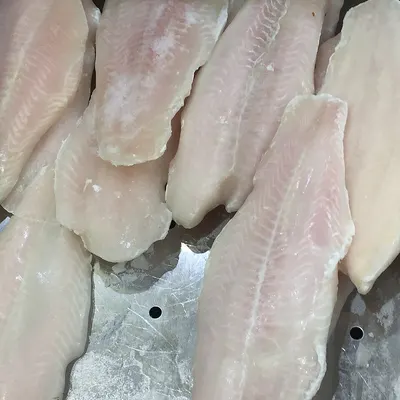
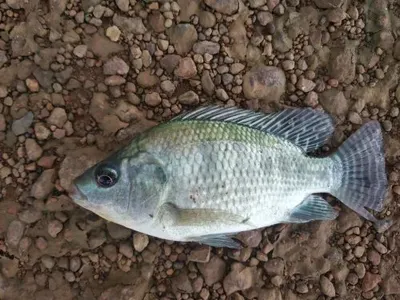
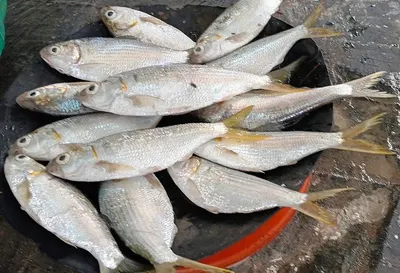
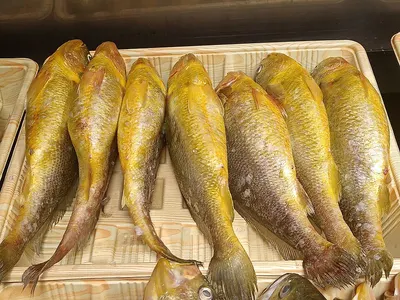

About Shree Bhavani Exports - Fresh Seafood Supplier in India
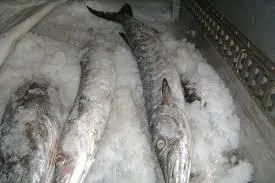
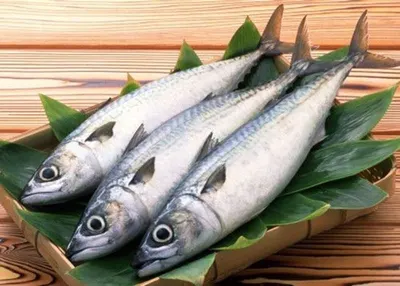
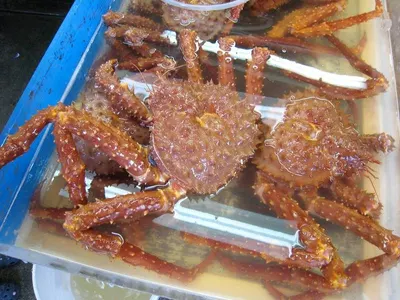
India hosts Shree Bhavani Exports, which currently lists 18 active fresh‑seafood products. The catalogue spans a variety of marine species, including three types of crabs, multiple whole and cleaned cuttlefish and squid items, baby octopus in whole and cleaned forms, several mackerel and croaker species, as well as reef‑cod varieties. Each entry is presented under the generic HS‑code families for seafood - HS 0304 for fresh fish, HS 0306 for crustaceans and HS 0307 for molluscs - reflecting the standard customs classification used for Indian exports. The supplier’s focus is on fresh or chilled products, which are typically packed on ice or in insulated containers for temperature control during transit.
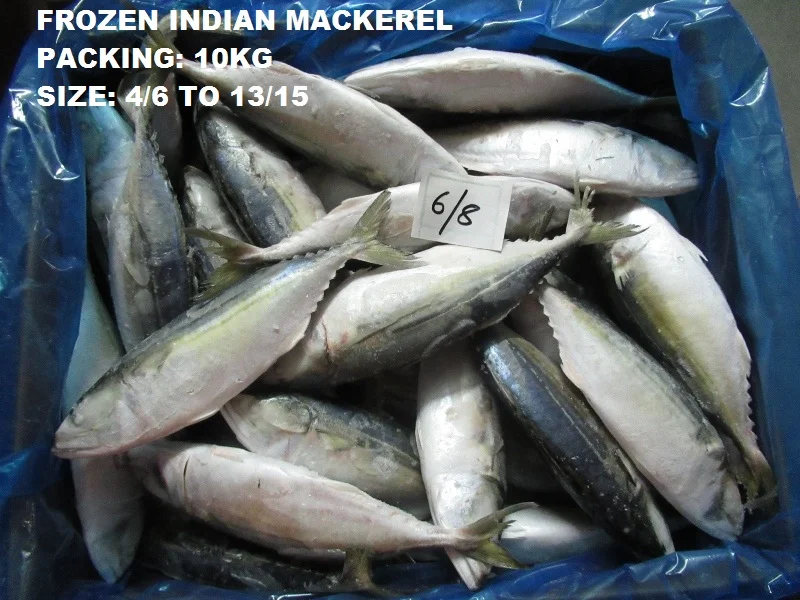
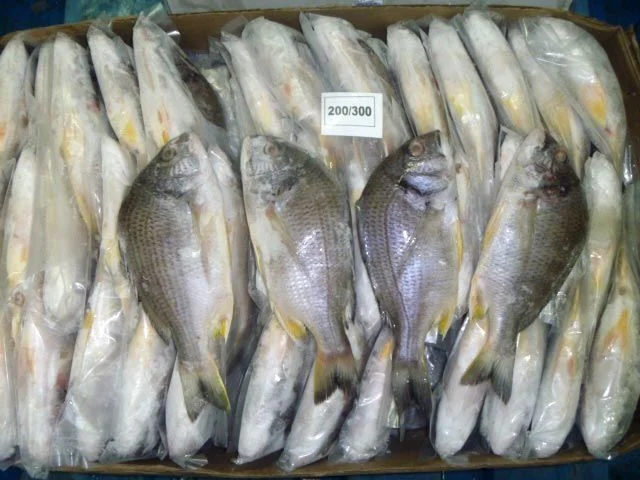
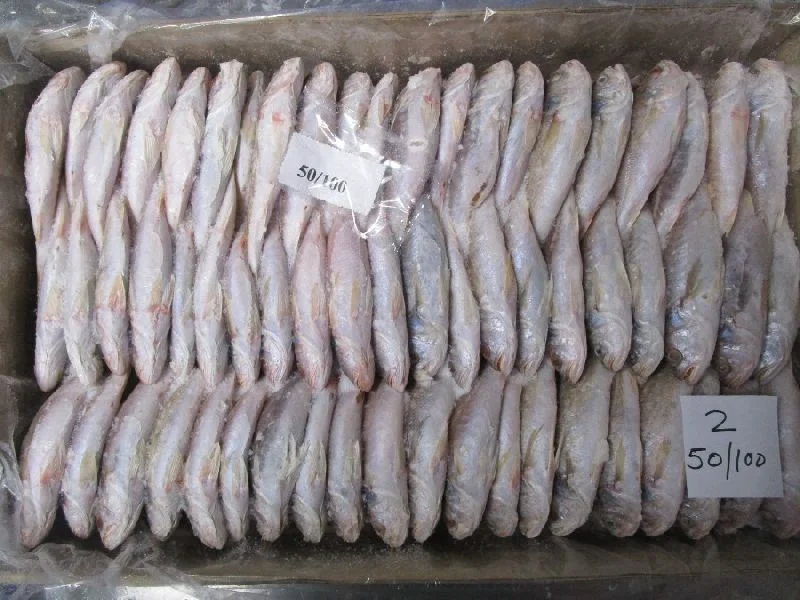
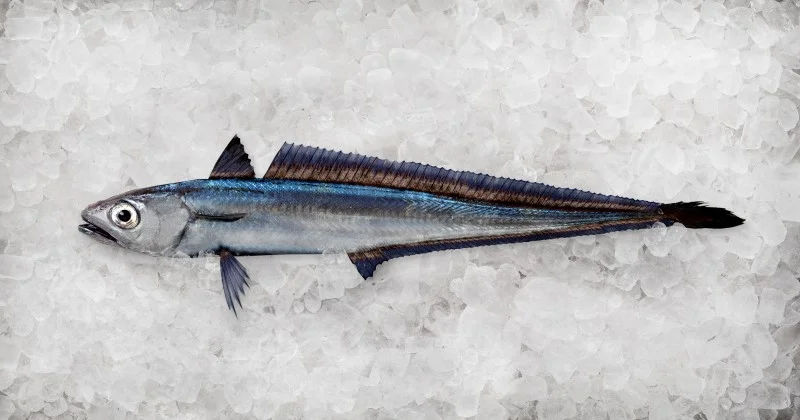
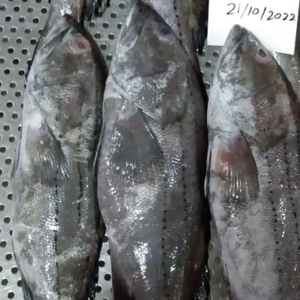
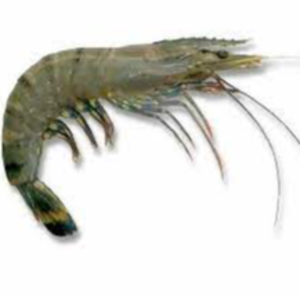
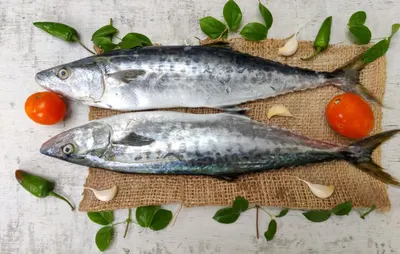
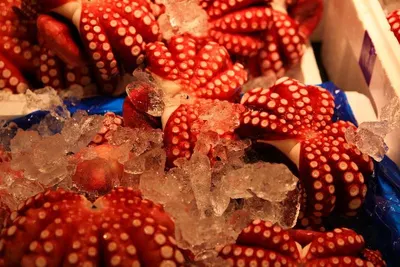
The product list also contains specific names such as Three Spotted Crab, Blue Swimming Crab, Head On Shell On Vannamei shrimp, Cuttle Fish - Whole, Squid Whole Round, Baby Octopus - Whole Clean, Indian Mackerel, Yellow Fin and several croaker types (Yellow Croaker, Silver Croaker, TT Croaker). No additional processing beyond cleaning or gutting is indicated, suggesting a primary market for wholesalers and food‑service distributors that require minimally handled, ready‑to‑cook seafood. The absence of any declared certifications means buyers should verify compliance with common quality systems before purchase.
Product Range and Specialties of Shree Bhavani Exports
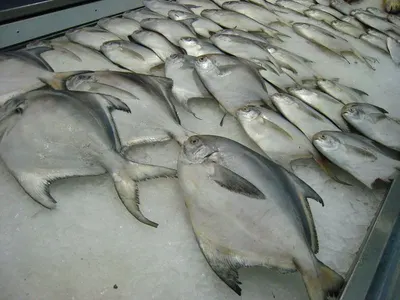
Shree Bhavani Exports’ catalogue includes whole and cleaned forms of crabs, cuttlefish, squid, octopus and several fish species such as mackerel, croaker and reef‑cod. In the broader fresh‑seafood market, crabs are graded by carapace width and weight, while molluscs are often sorted by size (e.g., cuttlefish 150‑200 mm) and condition of the mantle. Fish are commonly classified by species, length (e.g., croaker 200‑300 mm) and freshness level (ice‑packed, chilled at 0‑4 °C). Buyers typically request specifications such as moisture content below 80 % for fish, shell integrity for crabs, and absence of off‑odors. Standard industry certifications include HACCP, BRC Global Standard for Food Safety and ISO 22000, which are frequently required for importers in regulated markets.
Typical export specifications for Indian seafood also reference the Marine Products Export Development Authority (MPEDA) guidelines, which cover permissible pesticide residues, microbiological limits (e.g., total plate count <5 × 10⁴ CFU/g) and labeling of net weight, species name and country of origin. While the supplier’s facts do not list any certifications, the product range aligns with the grades and quality parameters commonly demanded by buyers in Europe, the Middle East and North America.
Frequently Asked Questions About Shree Bhavani Exports
What species of crabs are listed in the catalogue?
The catalogue includes Three Spotted Crab and Blue Swimming Crab, both classified under HS 0306 for crustaceans.
Are the cuttlefish and squid offered whole or cleaned?
Both cuttlefish and squid are offered in whole and cleaned variants, allowing buyers to choose based on processing requirements.
Which mackerel species are available?
Indian Mackerel and Horse Mackerel are listed, each identified under the fish HS code 0304 and typically supplied chilled at 0‑4 °C.
What documentation should a buyer request before ordering?
Buyers should ask for a health certificate, recent lab test results for microbiology and residues, and any HACCP or BRC audit reports that cover the processing facility.
What are the typical packaging and shipping methods for these fresh products?
Products are packed on ice or in insulated boxes with gel packs, and shipped in refrigerated containers (20‑ft or 40‑ft) under CIF terms to maintain the cold chain.
 India
Related Suppliers & Products
Explore similar suppliers, related products and trending categories