Shenzhen Longsun Acoustic Co., Ltd. — Verified Supplier
About Shenzhen Longsun Acoustic Co., Ltd. - Electric Sensors Supplier in China
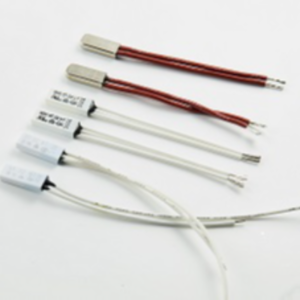
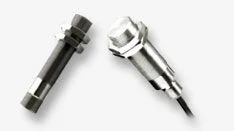
Shenzhen Longsun Acoustic Co., Ltd. is located in China, with its primary product category being Electric Sensors. The company has an active product count of 5, which includes products such as Piezo Buzzer, Mylar Speaker, Open Structure Ultrasonic Sensor, Sensor, and Waterproof Sensors. These products are typically used in various industries, including electronics and automotive. Exporters of Electric Sensors from China, like Shenzhen Longsun Acoustic Co., Ltd., often ship their goods to regions such as North America, Europe, and Southeast Asia.
Buyers of Electric Sensors usually require products that meet specific standards, such as those related to sensitivity, frequency range, and durability. For instance, the typical quality grades for Electric Sensors include specifications for temperature range, humidity resistance, and vibration tolerance. Shenzhen Longsun Acoustic Co., Ltd.'s products are likely to be classified under HS code families related to electronic components, although specific codes are not provided.
Product Range and Specialties of Shenzhen Longsun Acoustic Co., Ltd.
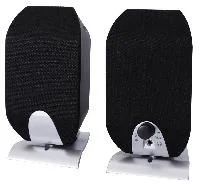
Shenzhen Longsun Acoustic Co., Ltd.'s product range includes a variety of Electric Sensors, such as Piezo Buzzer, Mylar Speaker, and Open Structure Ultrasonic Sensor. These products are made from materials such as ceramics, plastics, and metals, and are designed to meet specific industry standards. For example, the Piezo Buzzer is typically used in applications requiring high-frequency sound output, while the Mylar Speaker is often used in applications requiring high-fidelity sound reproduction. Buyers of these products should request specifications, such as sensitivity, frequency range, and impedance, to ensure they meet their requirements.
Trade and Export Information - Shenzhen Longsun Acoustic Co., Ltd.
Exporters of Electric Sensors from China, like Shenzhen Longsun Acoustic Co., Ltd., typically ship their goods to regions such as North America, Europe, and Southeast Asia. These goods are often classified under HS code chapters related to electronic components, such as Chapter 85. Buyers should be aware of the relevant regulatory requirements, such as those related to safety, health, and environmental protection, and should request certifications, such as CE or RoHS, to ensure compliance. Incoterms, such as FOB or CIF, are commonly used in the trade of these goods, and buyers should understand the implications of each term on their responsibilities and costs.
Sourcing from Shenzhen Longsun Acoustic Co., Ltd. - Buyer Guidance
When sourcing from Shenzhen Longsun Acoustic Co., Ltd., buyers should request specifications, such as sensitivity, frequency range, and impedance, to ensure the products meet their requirements. They should also request test reports, such as those for temperature range, humidity resistance, and vibration tolerance, to verify the products' quality. Additionally, buyers should request certifications, such as CE or RoHS, to ensure compliance with regulatory requirements. It is also important to verify the products' packaging and shipping requirements, such as those related to moisture protection and static discharge prevention, to prevent damage during transportation.
Frequently Asked Questions About Shenzhen Longsun Acoustic Co., Ltd.
What is the typical frequency range of the Piezo Buzzer?
The typical frequency range of the Piezo Buzzer is between 1 kHz and 10 kHz, although this can vary depending on the specific application and requirements. Buyers should request specifications to ensure the product meets their needs.
What materials are used to make the Mylar Speaker?
The Mylar Speaker is typically made from materials such as Mylar, a type of polyester film, and other plastics or metals. Buyers should request specifications to ensure the product meets their requirements.
What is the typical sensitivity of the Open Structure Ultrasonic Sensor?
The typical sensitivity of the Open Structure Ultrasonic Sensor is between 10 mV/Pa and 100 mV/Pa, although this can vary depending on the specific application and requirements. Buyers should request specifications to ensure the product meets their needs.
What certifications should I request for the Sensor?
Buyers should request certifications such as CE or RoHS to ensure compliance with regulatory requirements. Additionally, they should request test reports, such as those for temperature range, humidity resistance, and vibration tolerance, to verify the product's quality.
What is the typical MOQ for the Waterproof Sensors?
The typical MOQ for the Waterproof Sensors can vary depending on the specific product and requirements, but is often around 100-500 units. Buyers should request specifications to ensure the product meets their needs.
What is the typical lead time for the Electric Sensors?
The typical lead time for the Electric Sensors can vary depending on the specific product and requirements, but is often around 2-6 weeks. Buyers should request specifications to ensure the product meets their needs.
What packaging and shipping requirements should I be aware of?
Buyers should be aware of the packaging and shipping requirements, such as those related to moisture protection and static discharge prevention, to prevent damage during transportation. They should request specifications to ensure the product meets their needs.
What Incoterms are commonly used in the trade of Electric Sensors?
Incoterms such as FOB or CIF are commonly used in the trade of Electric Sensors. Buyers should understand the implications of each term on their responsibilities and costs.




 , China