
 Agriculture›
 Apparel and fashion accessories›
 Construction & real estate›💡Electronic & Electrical›🍎Food & Beverages›🛋️Home furnishing & supplies›⚗️Industrial goods & chemical›🪨Minerals & metals›📦Miscellaneous›Agriculture›Apparel and fashion accessories›Construction & real estate›💡Electronic & Electrical›🍎Food & Beverages›🛋️Home furnishing & supplies›⚗️Industrial goods & chemical›🪨Minerals & metals›📦Miscellaneous›
Shenzhen Campo Wind Arts Co., Ltd.
⚓ Harbor , ChinaNew supplier / no reviews yet
Shenzhen Campo Wind Arts Co., Ltd. Product Catalog
About Shenzhen Campo Wind Arts Co., Ltd. - 3D Promotional Items Supplier in China
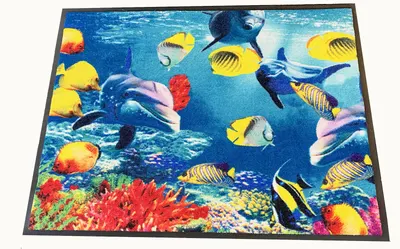
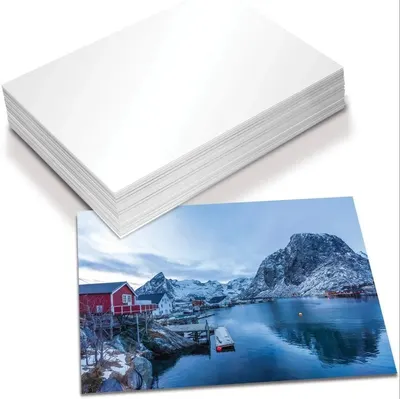
Shenzhen Campo Wind Arts Co., Ltd. is based in Shenzhen, China and lists five distinct 3‑dimensional printed products. The catalogue covers items that fall under the broader categories of Agriculture, Mouse & Mouse Pads, and Photo Frames, although the current items are primarily promotional and decorative. The five products are a 3D bookcover, a 3D mouse pad, a 3D photo frame, 3D lenticular images, and a 3D postcard. Each item is presented as a printable design that can be produced on flexible or rigid substrates and shipped as finished goods. The supplier is classified as an imported tier with a harbor trust tier, indicating it operates through third‑party logistics for international buyers.
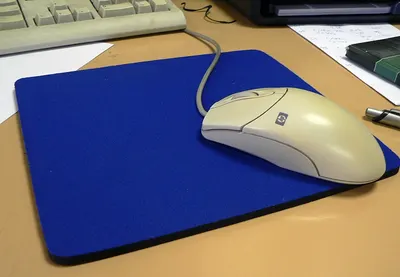
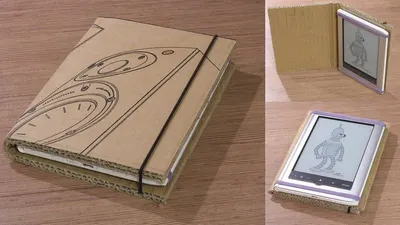
The 3D bookcover is a printable cover that can be mounted on standard paperback formats and often uses PVC or PET sheets for durability. The 3D mouse pad combines a printed graphic with a rubberized base, typically 3 mm thick and sized around 250 mm × 200 mm. The 3D photo frame is a lightweight frame with a printed front panel, frequently fabricated from acrylic or cardboard with a thickness of 2 - 3 mm. 3D lenticular images employ a lenticular lens sheet to create a depth effect, commonly produced on 0.5 mm PET film with a resolution of 300 dpi or higher. The 3D postcard offers a folded or raised design on coated paper, often 300 gsm, suitable for mailing and promotional distribution.
Product Range and Specialties of Shenzhen Campo Wind Arts Co., Ltd.
The supplier’s catalogue lists five 3‑dimensional printed items: a bookcover, mouse pad, photo frame, lenticular image and postcard. In the industry these products are usually produced by digital UV printing on PVC, PET, acrylic, or high‑grammage coated paper, with finish options such as matte, gloss or soft‑touch coating. Typical specifications include a minimum resolution of 300 dpi, UV‑cure inks for colour fastness, and thicknesses ranging from 0.5 mm for lenticular sheets to 3 mm for mouse‑pad bases. Buyers often request custom shapes, die‑cut edges, and optional protective laminates to meet branding requirements.
Standard grades for the substrates are PVC‑type 1 (flexible) for mouse pads, PET‑type 2 for lenticular lenses, and 300 - 350 gsm coated paper for postcards. Photo frames may use acrylic grade with a light transmittance of 92 % or cardboard grade with a burst strength above 150 kPa. Industry practice also includes providing a sample of the printed file in PDF/X‑1a format and a physical mock‑up before full‑scale production.
Frequently Asked Questions About Shenzhen Campo Wind Arts Co., Ltd.
What product formats does Shenzhen Campo Wind Arts offer?
The catalogue includes a 3D bookcover, 3D mouse pad, 3D photo frame, 3D lenticular image and 3D postcard, each designed for custom printing on flexible or rigid substrates.
Which materials are commonly used for the 3D mouse pad?
Typical mouse pads are printed on a 3 mm thick PVC or PET base with a rubberized underside for grip, finished with a matte or gloss UV‑cure coating.
What resolution is recommended for the printed graphics?
Industry standards suggest a minimum of 300 dpi for sharp colour reproduction on the 3D items, especially for lenticular lenses and high‑detail postcards.
Are there any certifications I should request before ordering?
Buyers should request the supplier’s ISO 9001 certificate, a REACH compliance statement for PVC/PET materials, and a safety data sheet for any inks used.
What are the typical packaging and shipping methods?
Items are usually packed in individual polyethylene sleeves, placed in double‑wall corrugated cartons, and loaded into 20‑ft or 40‑ft containers under FOB Shenzhen or CIF terms.
ChinaRelated Suppliers & Products
Explore similar suppliers, related products and trending categories