Shenzhen Bellcom Tecnology Co., Ltd. — Supplier
About Shenzhen Bellcom Tecnology Co., Ltd. - Mouse & Mouse Pads Supplier in China
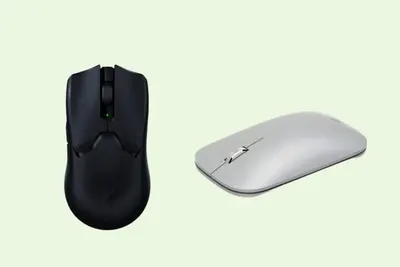
China hosts Shenzhen Bellcom Tecnology Co., Ltd., which currently lists five active products in its catalogue. All items are wireless computer mice, identified by model numbers WM‑156 mini, WM‑526, WM‑316t, WM‑811 and WM‑36. The catalogue does not provide HS codes, so classification follows the standard computer peripheral group under HS chapter 84. The supplier’s tier is listed as imported with a harbor trust level, indicating it operates through Chinese export channels.
The five models cover variations in size, sensor type and connectivity. Two models are described as “2.4 GHz wireless” while another is a “2.4 GHz wireless touch” mouse, suggesting RF dongle operation. The product titles do not mention additional features such as Bluetooth, DPI range or battery type, but the naming implies small‑form‑factor or ergonomic designs typical for office and portable use.
Product Range and Specialties of Shenzhen Bellcom Tecnology Co., Ltd.
Shenzhen Bellcom’s catalogue consists exclusively of wireless mice, ranging from a mini‑size WM‑156 to the WM‑36 series. In the broader mouse market, manufacturers often differentiate products by optical sensor resolution (commonly 800 - 3600 DPI), battery source (AA, AAA or built‑in rechargeable cells), and ergonomics (right‑hand, ambidextrous, or travel‑size). Typical materials include ABS plastic housings and rubberized scroll wheels, with optional LED lighting for branding. Buyers encountering these models can expect specifications aligned with standard 2.4 GHz RF mice, such as a USB nano receiver, plug‑and‑play driver support, and average battery life of 6‑12 months depending on usage.
Trade and Export Information - Shenzhen Bellcom Tecnology Co., Ltd.
China is the world’s largest exporter of computer peripherals, and wireless mice fall under the HS‑84.60.10 sub‑heading in most customs systems. Major import regions include North America, the European Union, and Southeast Asian markets, where buyers commonly require CE marking for the EU, FCC certification for the United States, and RoHS compliance for hazardous substance limits. Export shipments are typically packed in anti‑static polybags placed inside double‑wall cartons, with container loads ranging from 20 ft to 40 ft depending on order size. Common Incoterms used by Chinese peripheral exporters are FOB Shenzhen or CIF destination port, allowing buyers to arrange onward freight and customs clearance.
Sourcing from Shenzhen Bellcom Tecnology Co., Ltd. - Buyer Guidance
When sourcing wireless mice from Shenzhen Bellcom, request a detailed specification sheet that lists sensor DPI, battery type, communication protocol (2.4 GHz RF), and any ergonomic certifications. Obtain copies of CE, FCC and RoHS test reports to verify compliance with target market regulations before placing a purchase order. Confirm the packaging format - usually polybag‑in‑carton - and ask for a sample unit to validate build quality, button feel and sensor performance. Typical minimum order quantities for Chinese mouse manufacturers range from 500 to 1 000 units, with lead times of 20‑35 days after design approval and receipt of a pro‑forma invoice.
Frequently Asked Questions About Shenzhen Bellcom Tecnology Co., Ltd.
What connectivity does the WM‑316t model use?
The WM‑316t is listed as a 2.4 GHz wireless touch mouse, indicating it operates with a USB nano receiver using the 2.4 GHz RF band and includes a touch‑enabled scroll surface.
Which certifications should I ask for before importing these mice?
Buyers should request CE marking documentation for EU markets, FCC ID certification for the United States, and RoHS compliance reports to confirm limits on lead, mercury and other restricted substances.
What is a typical battery life for the models in this catalogue?
Wireless mice of this class normally use a single AA or AAA battery and provide 6 to 12 months of continuous use under average office conditions.
Are there standard DPI settings for these mice?
Standard optical mice in the 2.4 GHz segment offer selectable DPI ranges between 800 and 2400, though exact values depend on the sensor used in each model.
What packaging is used for export shipments?
Export packs usually consist of each mouse placed in an anti‑static polybag, then grouped into cardboard cartons that are stacked on pallets for container loading.
What are typical minimum order quantities and lead times?
Chinese peripheral suppliers often set MOQs between 500 and 1 000 units per model, with production lead times of about 20‑35 days after order confirmation and receipt of payment.
How can I obtain a sample before placing a bulk order?
Contact the supplier to request a single unit sample, specifying the desired model and shipping address; most exporters provide a quoted freight cost and may require a small deposit.
Which HS code is applied to these wireless mice for customs clearance?
In most customs tariffs, wireless computer mice are classified under HS chapter 84, sub‑heading 84.60.10, which covers input devices such as keyboards and mice.




 , China