Agriculture›
 Apparel and fashion accessories›
 Construction & real estate›💡Electronic & Electrical›🍎Food & Beverages›🛋️Home furnishing & supplies›⚗️Industrial goods & chemical›🪨Minerals & metals›📦Miscellaneous›Agriculture›Apparel and fashion accessories›Construction & real estate›💡Electronic & Electrical›🍎Food & Beverages›🛋️Home furnishing & supplies›⚗️Industrial goods & chemical›🪨Minerals & metals›📦Miscellaneous›
Shanxi Qingxu Beilushu Enterprise Group Co., Ltd
⚓ Harbor , ChinaNew supplier / no reviews yet
Shanxi Qingxu Beilushu Enterprise Group Co., Ltd Product Catalog
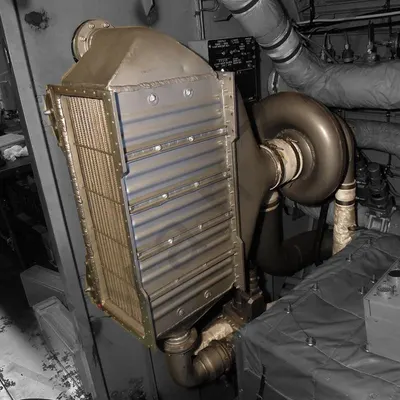
About Shanxi Qingxu Beilushu Enterprise Group Co., Ltd - Automobile Radiators/Anti Freeze/Coolants Supplier in China
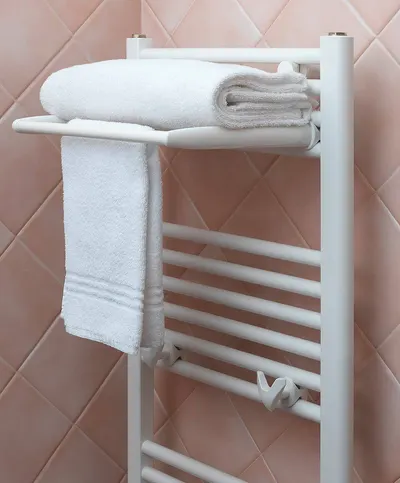
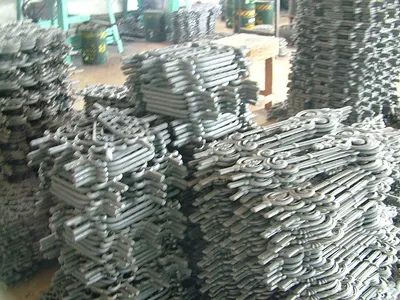
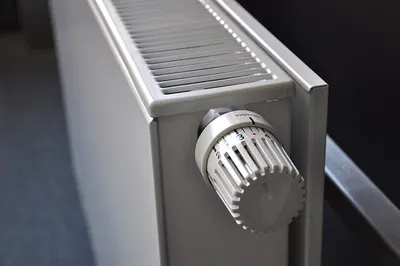
China is the origin of Shanxi Qingxu Beilushu Enterprise Group Co., Ltd, which lists five active products in its catalogue. The company focuses on automobile radiators, specifically cast iron and casting variants. Its product list includes a Cast iron radiator TIM3-712 (European style), a Casting radiator TIM4-680, a Radiator TIM3-565 (European style), a Cast iron radiator t4*19" (American style), and a Cast iron radiator TIM3-680 that is classified under HS code 7322.11 and manufactured from Cast Iron grade EN-GJL-150 / GG-15. The catalogue does not provide additional HS codes for the other items. The products fall under the broader category of automobile cooling system components.
All five items are described using model numbers that indicate size and style, with the European‑style units typically designed for markets adhering to EU vehicle specifications, while the American‑style unit follows US dimensions. The inclusion of the HS code 7322.11 aligns the TIM3-680 radiator with the international tariff heading for cast‑iron radiators and heat exchangers. The material grade EN‑GJL‑150 is a standard cast iron classification used for high‑temperature applications. No other certifications or capacity figures are listed in the supplied data.
Product Range and Specialties of Shanxi Qingxu Beilushu Enterprise Group Co., Ltd
The catalogue offers cast‑iron radiators in both European (TIM3-712, TIM3-565) and American (t4*19") configurations, as well as a casting‑type radiator (TIM4-680). Cast iron radiators are commonly produced to EN 12586, which defines dimensions, pressure resistance (typically 1.0 MPa), and corrosion protection. European‑style radiators often feature a 3‑row or 4‑row core with a thickness of 2 mm to 3 mm, while American models are sized to fit 19‑inch mounting standards. The material grade EN‑GJL-150 corresponds to a minimum tensile strength of 150 MPa and is widely accepted for automotive cooling systems.
In the broader industry, cast‑iron radiators are graded by their thermal efficiency, with typical heat dissipation rates ranging from 1.5 kW to 3.0 kW for the sizes indicated by the TIM3 and TIM4 series. Buyers frequently compare the water flow capacity (e.g., 150 L/min) and the coolant pressure drop (around 0.2 bar). Common variants include zinc‑plated or epoxy‑coated finishes to enhance corrosion resistance, especially for markets with harsh road‑salt exposure.
Frequently Asked Questions About Shanxi Qingxu Beilushu Enterprise Group Co., Ltd
What product codes are listed for cast‑iron radiators?
The catalogue lists Cast iron radiator TIM3-712 (European style), Cast iron radiator TIM3-565 (European style), Cast iron radiator t4*19" (American style) and Cast iron radiator TIM3-680 (HS code 7322.11).
Which HS code applies to the radiators in the catalogue?
Only the Cast iron radiator TIM3-680 is explicitly assigned HS code 7322.11, the tariff heading for cast‑iron radiators and heat exchangers. The other models fall under the same chapter but their specific HS codes are not provided.
What material grade are the radiators made from?
The TIM3-680 radiator is specified as Cast Iron grade EN‑GJL‑150 / GG‑15. This grade is a common cast‑iron classification for high‑temperature automotive cooling components.
Which certifications should a buyer request before purchase?
Buyers typically request a material test certificate for EN‑GJL‑150, a pressure‑test report per EN 12586, and quality‑system certificates such as ISO 9001 or IATF 16949. For EU shipments, CE marking documentation is also commonly required.
What are typical minimum order quantities and lead times?
In the industry, cast‑iron radiators are often ordered in batches of at least 100 units. Lead times for custom‑size radiators from Chinese manufacturers usually range from 30 to 45 days after order confirmation.
ChinaRelated Suppliers & Products
Explore similar suppliers, related products and trending categories