Shankar Metal Pressing Works — Supplier
About Shankar Metal Pressing Works - Machined Components Supplier in India
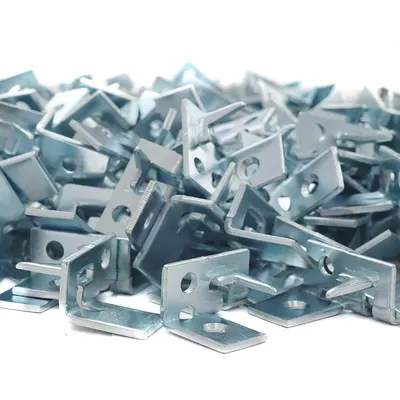
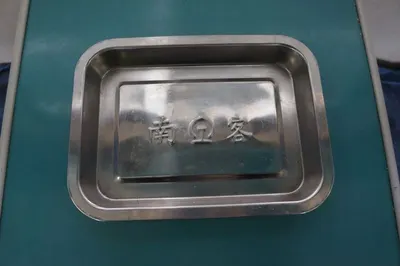
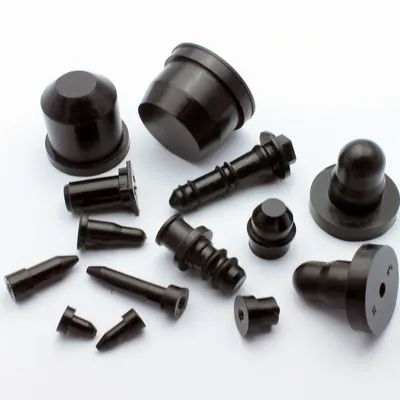
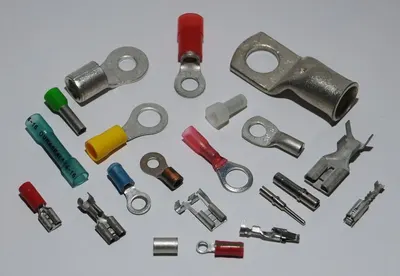
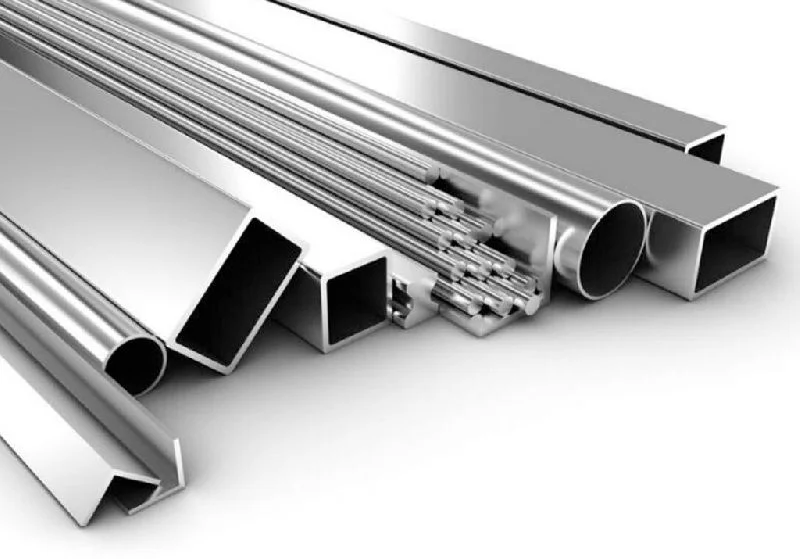
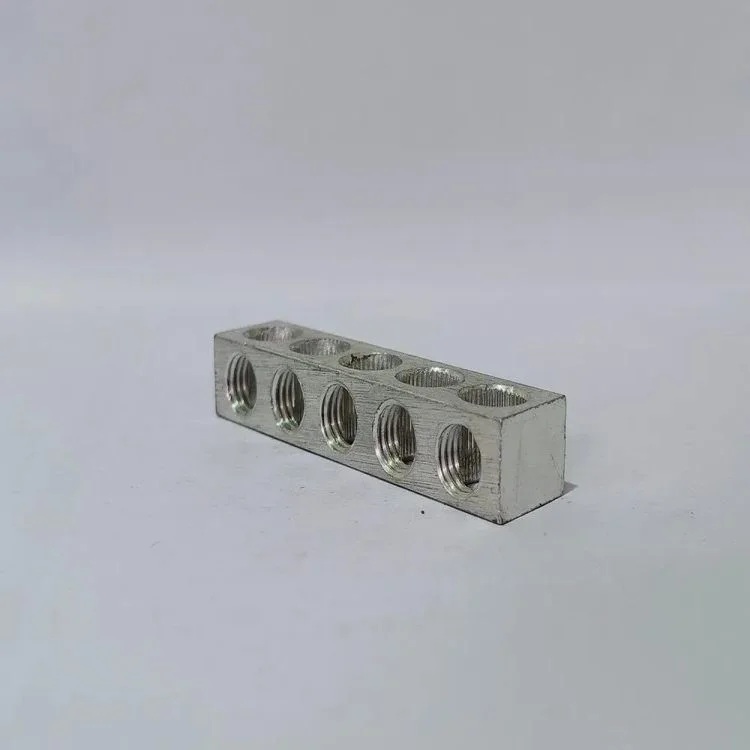
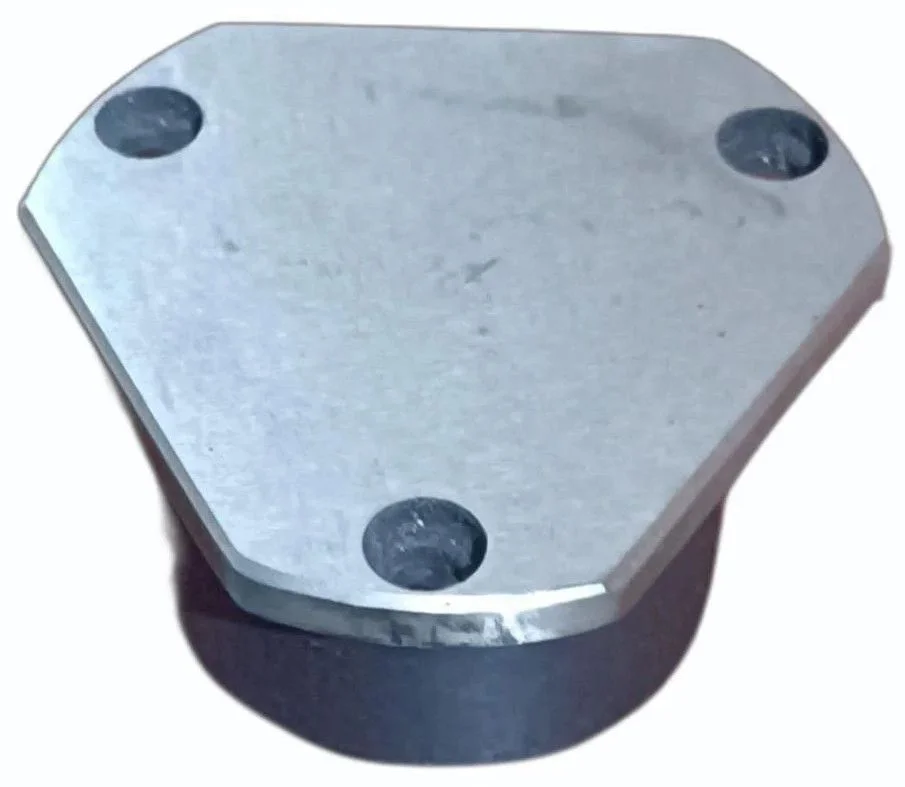
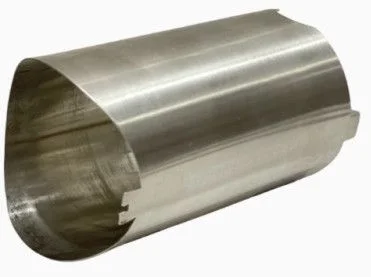
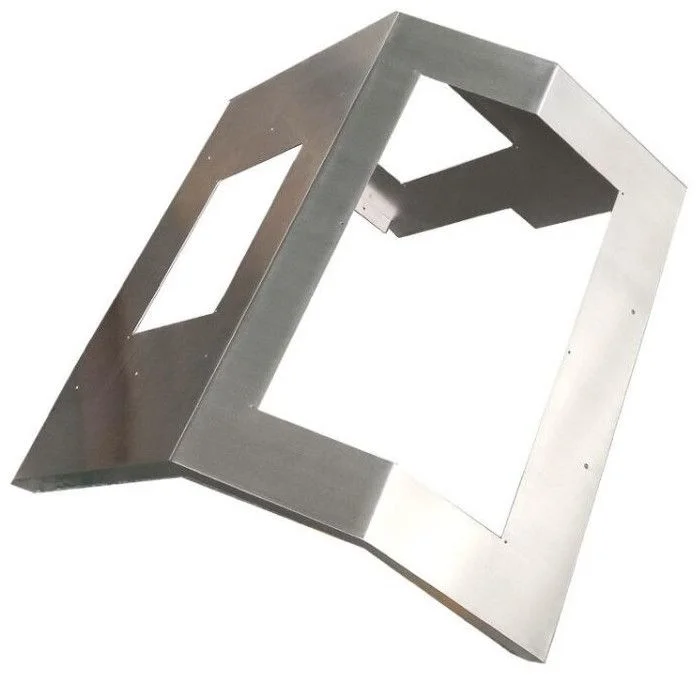
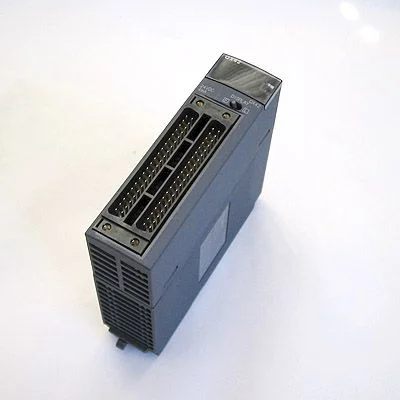
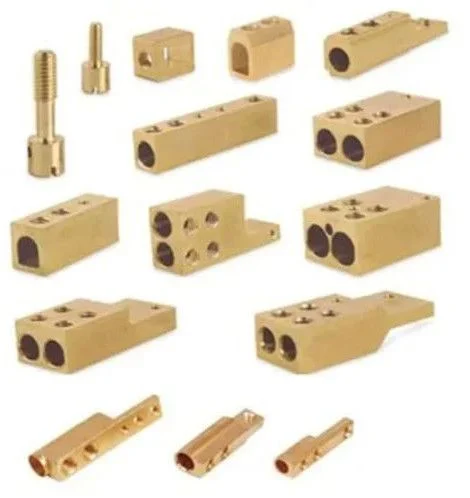
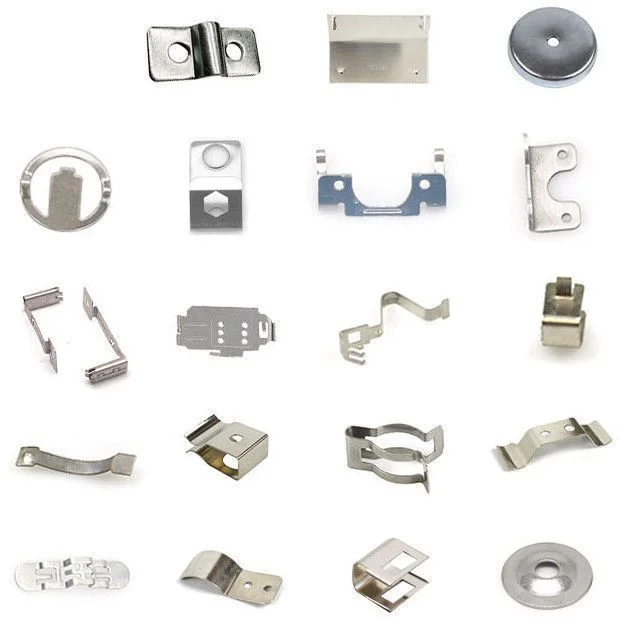
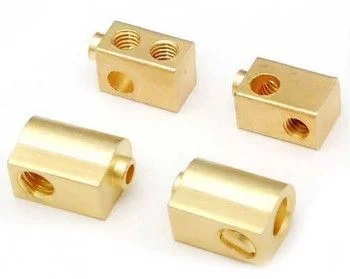
Shankar Metal Pressing Works is based in India and lists seven active products. Its catalogue includes deep drawn components, stampings, deep drawn stainless steel and mild steel items classified under HS code 7326.90, dust covers, electrical components, fabricated items and metal plates for anti‑vibration mounts. The listed items fall under the broader categories of machined components, stainless steel products, dust‑cover parts, electric components and automobile spare parts and supplies. Each product is offered as a separate SKU within the supplier’s online listing.
The deep drawn stainless steel and mild steel items are described as being made from stainless steel grades 304 or 316 and carbon steel. The dust cover and anti‑vibration metal plates are supplied as stamped steel parts. Electrical components are presented as generic fabricated electrical parts. The fabricated items and stampings cover a range of custom‑shaped metal parts. No additional certifications are stated in the supplied facts.
Product Range and Specialties of Shankar Metal Pressing Works
The supplier’s catalogue lists deep drawn components, stampings, deep drawn stainless steel and mild steel parts (HS 7326.90), dust covers, electrical components, fabricated items and metal plates for anti‑vibration mounts. In the metal‑pressing industry, deep drawn parts are typically produced from SS304 or SS316 with thicknesses from 0.5 mm to 3 mm, tolerances of ±0.05 mm and surface finishes of Ra 0.8 µm. Stampings and fabricated items are often supplied in carbon‑steel or alloy‑steel grades such as AISI 1018, with hardness values between 150 - 200 HB and dimensional tolerances of ±0.1 mm. Dust‑cover components are usually stamped from cold‑rolled steel and may receive zinc or powder coating for corrosion protection. Electrical components fabricated from steel or copper alloys commonly require compliance with IEC standards and RoHS limits on lead content. Anti‑vibration metal plates are typically sized to match standard mounting footprints and are offered in thicknesses up to 5 mm.
Trade and Export Information - Shankar Metal Pressing Works
India is a major exporter of machined metal parts and stamped steel components, with shipments primarily to the United States, European Union, Middle East and Southeast Asian markets. HS chapter 73, particularly code 7326.90, covers other articles of iron or steel not elsewhere specified, which includes deep drawn and stamped components like those listed by the supplier.
Typical import requirements include ISO 9001 quality‑management certification, mill test reports for stainless‑steel grades, and CE or UL marking for electrical parts destined for EU or North American buyers. Buyers often request compliance with RoHS, REACH and ASTM A240 for stainless steel. Standard packaging involves wooden crates, steel pallets or bulk bags, loaded in 20‑ft or 40‑ft containers under FOB or CIF terms. Indian exporters generally follow the Directorate General of Foreign Trade (DGFT) guidelines and may need to provide a Certificate of Origin.
Sourcing from Shankar Metal Pressing Works - Buyer Guidance
When sourcing from Shankar Metal Pressing Works, buyers should obtain a mill test report that confirms the chemical composition and mechanical properties of the SS304/316 or carbon‑steel material referenced in the HS 7326.90 entry. For dust covers and anti‑vibration plates, request a dimensional inspection report and coating thickness data if a protective finish is applied. Electrical components should be accompanied by IEC test certificates, RoHS compliance statements and, where applicable, CE or UL certification. Samples of each part are advisable before full‑scale orders, and the buyer should verify lead times of four to six weeks and any minimum order quantities expressed in weight or piece count.
Frequently Asked Questions About Shankar Metal Pressing Works
What product categories are listed by Shankar Metal Pressing Works?
The supplier lists deep drawn components, stampings, deep drawn stainless steel and mild steel parts, dust covers, electrical components, fabricated items and metal plates for anti‑vibration mounts. These fall under machined components, stainless‑steel products, dust‑cover parts, electric components and automobile spare parts and supplies.
Which HS code applies to the deep drawn stainless steel and mild steel items?
The deep drawn stainless steel and mild steel items are classified under HS code 7326.90, which covers other articles of iron or steel not elsewhere specified.
What stainless‑steel grades are mentioned for the deep drawn components?
The catalogue specifies stainless‑steel grades 304 and 316 for the deep drawn components. These grades are commonly used for corrosion‑resistant applications and meet ASTM A240 specifications.
Which certifications should a buyer request for the electrical components?
Buyers should request IEC test certificates, RoHS compliance statements and, for European or North American markets, CE or UL marking. An ISO 9001 quality‑management certificate from the supplier is also typical.
How are the metal plates for anti‑vibration mounts usually packaged for export?
Anti‑vibration metal plates are typically packed in wooden crates or on steel pallets, secured with shrink‑wrap, and loaded into 20‑ft or 40‑ft containers. The packaging is designed to prevent deformation and corrosion during transit.
What are common lead times and minimum order quantities for the stampings?
Lead times for custom stampings generally range from four to six weeks after design approval. Minimum order quantities are often expressed in total weight (e.g., 500 kg) or in a specific piece count, depending on the part size.
How can a buyer verify the material quality of the deep drawn components?
A buyer should request a mill test report that details chemical composition, tensile strength, hardness and any heat‑treatment records for the stainless‑steel or carbon‑steel material. Third‑party inspection certificates can provide additional assurance.
Which regions typically import Indian machined components like those offered by this supplier?
Indian machined components are commonly imported by buyers in North America, Western Europe, the Middle East and Southeast Asia. These regions source such parts for automotive, industrial equipment and electrical‑assembly applications.




 , India