Agriculture›
 Apparel and fashion accessories›
 Construction & real estate›💡Electronic & Electrical›🍎Food & Beverages›🛋️Home furnishing & supplies›⚗️Industrial goods & chemical›🪨Minerals & metals›📦Miscellaneous›Agriculture›Apparel and fashion accessories›Construction & real estate›💡Electronic & Electrical›🍎Food & Beverages›🛋️Home furnishing & supplies›⚗️Industrial goods & chemical›🪨Minerals & metals›📦Miscellaneous›
Shanghai Shabo Chemical Technology Co., Ltd.
⚓ Harbor , ChinaNew supplier / no reviews yet
Shanghai Shabo Chemical Technology Co., Ltd. Product Catalog


About Shanghai Shabo Chemical Technology Co., Ltd. - Industrial Chemicals Supplier in China
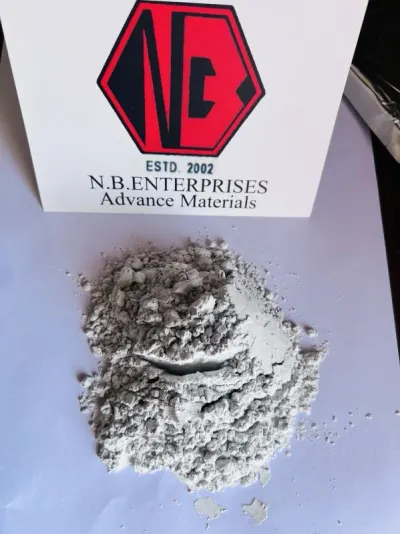
Shanghai, China‑based Shanghai Shabo Chemical Technology Co., Ltd. lists five active products in its catalogue. The portfolio includes an exhaust purificant, rare earth oxide, aluminum oxide, yttrium oxide and neodymium oxide. These items fall under the broader categories of automobile spare parts & supplies, other ores & minerals, aluminum oxide, laboratory chemicals and industrial chemicals as classified in the supplier data. Each product is associated with the inorganic chemical HS code families commonly recorded in Chapter 28 of the Harmonized System. The company is recorded as an imported supplier with a harbor trust tier.
The exhaust purificant is positioned for automotive emission control, while the rare earth oxides are listed under the rare earth oxide family. Aluminum oxide, yttrium oxide and neodymium oxide are supplied as high‑purity inorganic powders used in ceramics, electronics and catalyst applications. The catalogue does not provide detailed specifications, but the product names align with standard chemical grades such as 99.5 %+ purity for Al₂O₃ and 99 % REO content for rare earth oxides. The supplier’s active product count of five reflects a focused range within the chemical and mineral segment.
Product Range and Specialties of Shanghai Shabo Chemical Technology Co., Ltd.
The listed catalogue comprises an exhaust purificant for automotive after‑treatment systems and four inorganic oxides - rare earth oxide, aluminum oxide, yttrium oxide and neodymium oxide. In the chemical trade, aluminum oxide is typically supplied as a white powder with particle sizes ranging from 5 µm to 50 µm and purity grades of 99.5 % to 99.99 %. Rare earth oxides are commonly offered in REO grades of 99 % - 99.9 % and are used as precursors for magnets and phosphors. Yttrium and neodymium oxides follow similar purity expectations and are often provided in 25 kg paper bags or 200 L drums for bulk shipments.
Industry practice for these categories includes standard specifications such as moisture < 0.5 % for Al₂O₃, insoluble residue < 0.1 % for rare earth oxides, and particle size distribution curves conforming to ASTM D6242. Buyers usually request a Certificate of Analysis (CoA) that details assay, impurity profile and loss on ignition. Packaging is typically engineered for moisture barrier, using multi‑layer bags or sealed drums, and is labeled with HS‑28 codes for inorganic chemicals. The product range therefore matches common bulk chemical trade formats used in automotive, electronics and advanced material supply chains.
Frequently Asked Questions About Shanghai Shabo Chemical Technology Co., Ltd.
What product forms does Shanghai Shabo Chemical Technology Co., Ltd. offer for aluminum oxide?
The supplier lists aluminum oxide as a bulk inorganic powder; typical bulk trade formats include 25 kg paper bags or 200 L steel drums, which align with industry standards for this material.
Which HS codes are applicable to the listed oxides?
Aluminum oxide, yttrium oxide and neodymium oxide fall under HS Chapter 28 (e.g., 2815‑xx), while rare earth oxide is classified under HS Chapter 81 for other ores and minerals. The exact sub‑heading depends on the chemical composition and purity.
What purity levels are common for the rare earth oxides offered?
In the global market, rare earth oxides are usually supplied at 99 % - 99.9 % REO purity; buyers should request a Certificate of Analysis confirming the specific assay for each batch.
Is an MSDS required for the exhaust purificant?
Yes, material safety data sheets are standard for automotive emission additives and should be obtained before shipping to ensure compliance with handling and transport regulations.
What certifications should a buyer verify before purchasing?
Typical certifications include ISO 9001 quality management, REACH registration for EU destinations, and any region‑specific environmental compliance such as RoHS for electronic component users.
ChinaRelated Suppliers & Products
Explore similar suppliers, related products and trending categories