Shanghai Salan Industry And Trade Co., Ltd — Supplier
About Shanghai Salan Industry And Trade Co., Ltd - LPG Cylinders Supplier in China
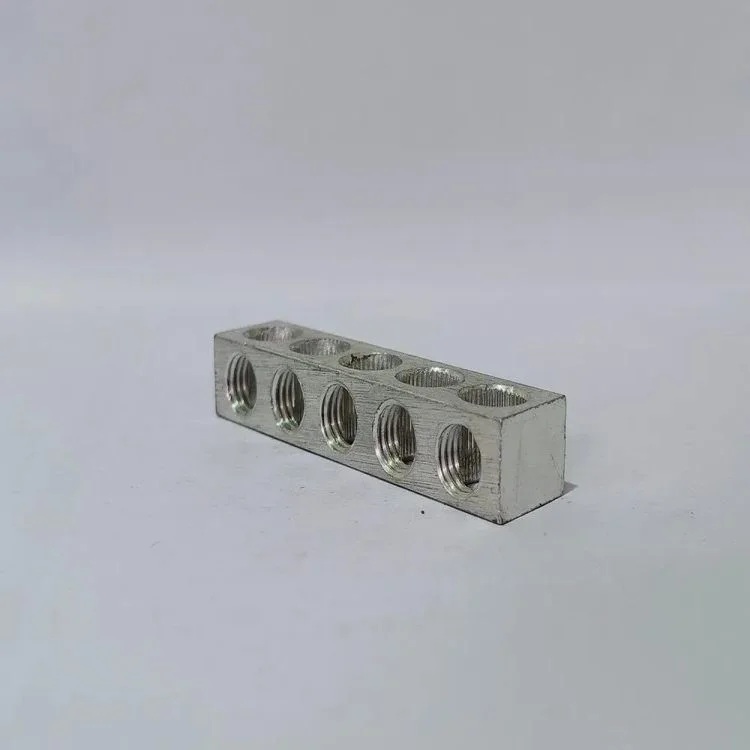
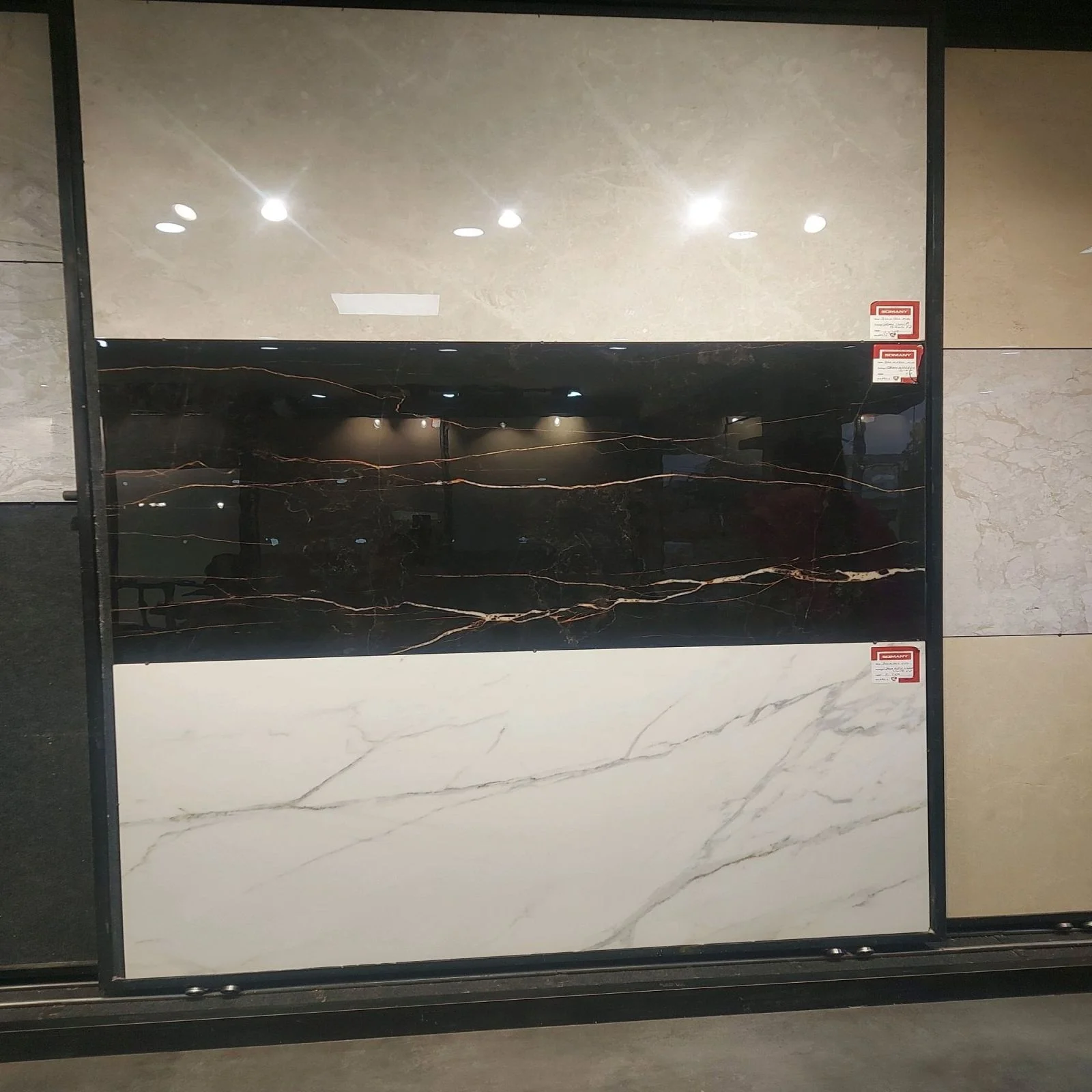
Shanghai Salan Industry And Trade Co., Ltd is based in Shanghai, China and currently lists 26 active products on its catalogue. The company groups its offerings under top categories such as LPG Cylinders, Light & Medium Machinery, Plywood, Machined Components, Motorcycles, Scooters & ATV Bikes, Industrial Cylinders, MDF Boards and Construction Materials. Among the listed items is a Building Materials entry that carries HS code 6908.90 and is described as glazed ceramic or porcelain clay, indicating a focus on ceramic tiles and related finished goods. The catalogue also references hydrogen, LPG and LNG tanks, various polymer leathers, brick and terracotta products, and a range of engineered wood panels.
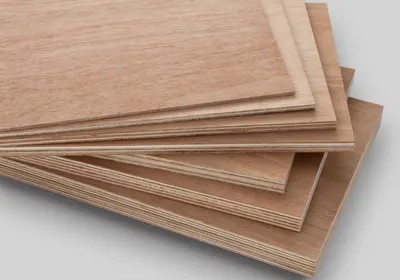
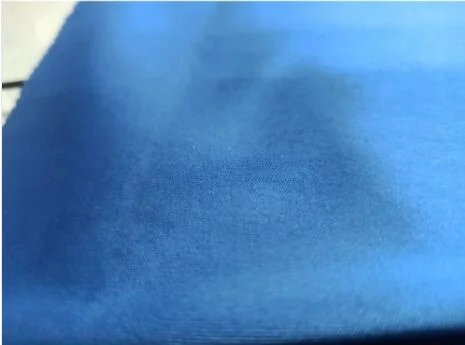
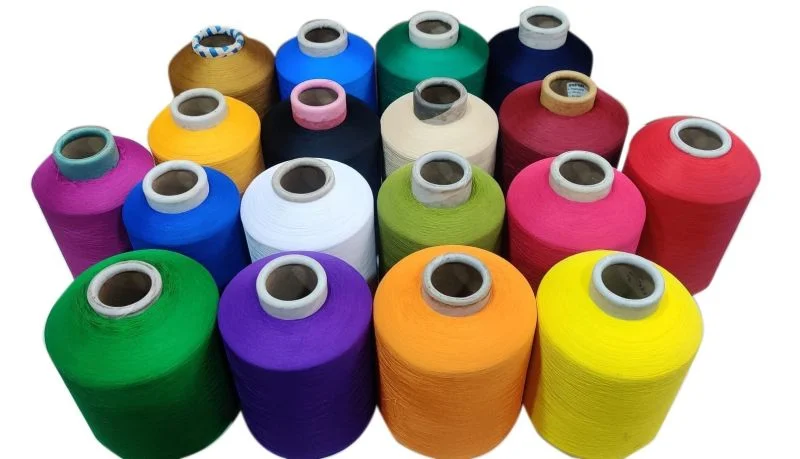
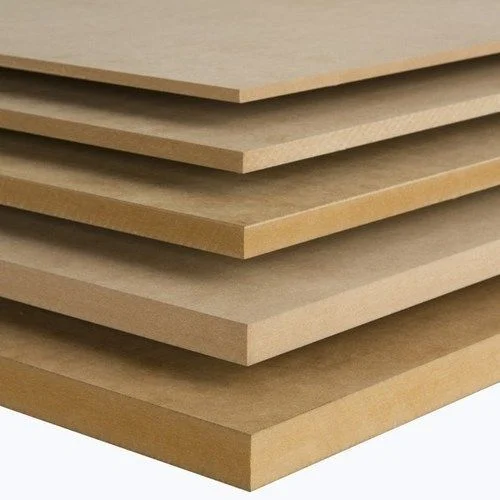
The product list expands to include a Water Based Foam Mixer, PU/PVC leather, aluminum anodic oxidation services, OEM automatic machines and parts, geomembranes such as PE film and EVA variants, and a series of high‑pressure hydrogen cylinders rated at 70 MBar and 700 bar for vehicle applications. Wood‑based products cover Medium Density Fiberboard, MDF, HDF, bitumen board, film‑faced plywood and standard plywood, while textile items include polyester yarn, para‑aramid and meta‑aramid fabrics and even towels. Each entry reflects a distinct material family and manufacturing process, providing a diversified portfolio for industrial and construction buyers.
Product Range and Specialties of Shanghai Salan Industry And Trade Co., Ltd
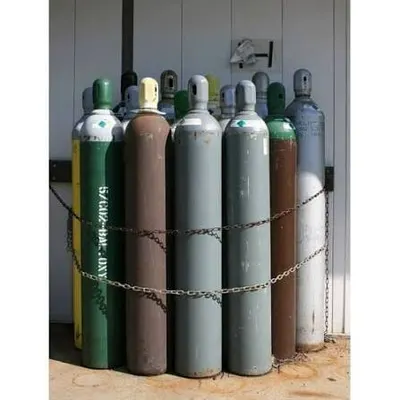
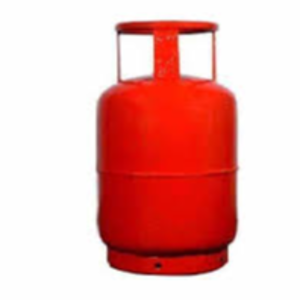
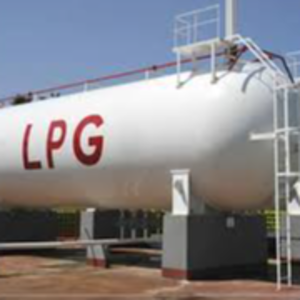
The catalogue’s LPG and hydrogen cylinder entries fall within the pressure vessel segment that typically adheres to ISO 11120 for seamless steel cylinders and ISO 9809 for composite types. Common specifications include wall thicknesses that support 70 MBar (≈1 000 psi) or 700 bar (≈10 000 psi) design pressures, valve standards such as CGA‑580 for LPG and CGA‑540 for hydrogen, and mandatory UN pressure testing. Plywood products are usually classified by grade (e.g., BWR, Marine) and thickness ranging from 6 mm to 25 mm, with moisture content controlled between 8 % and 12 %. MDF and HDF boards typically have densities of 600 - 800 kg/m³, formaldehyde emission limits of E1 (≤0.124 mg/m³) or E0 (≤0.064 mg/m³) in EU markets, and are shipped in 8‑ft or 12‑ft pallets. Ceramic building materials under HS 6908.90 are graded by surface finish, water absorption (<0.5 %) and dimensional tolerance, while polymer leathers are evaluated for tensile strength, abrasion resistance and PVC/PU content.
Trade and Export Information - Shanghai Salan Industry And Trade Co., Ltd
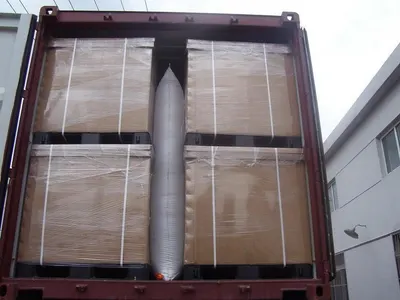
China is a leading exporter of pressure vessels, engineered wood panels and ceramic building materials. LPG and hydrogen cylinders from Chinese manufacturers are commonly shipped to Southeast Asian nations, the Middle East, Africa and parts of Europe, often under HS chapters 73 (metal articles) and 84 (machinery). Ceramic tiles (HS 6908) are primarily destined for the United States, EU and Middle Eastern construction markets, where buyers frequently require CE marking, ISO 9001 quality management and compliance with the EU Construction Products Regulation. Standard logistics involve 20‑ft or 40‑ft containers, wooden pallets or bulk crates, with FOB Shanghai or CIF destination being the typical Incoterms. Export documentation usually includes a commercial invoice, packing list, certificate of origin, and for pressure vessels, a UN test certificate and material test report.
Sourcing from Shanghai Salan Industry And Trade Co., Ltd - Buyer Guidance
When sourcing LPG or hydrogen cylinders from this supplier, request the latest UN pressure test certificate, a material test report confirming steel grade (e.g., ASTM A530), and a CE Declaration of Conformity if the buyer’s market requires it. Verify the cylinder’s design pressure, valve type and wall thickness against ISO 11120 specifications before confirming order quantities. For plywood and MDF, ask for a grade certificate, moisture content report and formaldehyde emission test results (E1/E0) to ensure compliance with destination regulations. Ceramic building materials should be accompanied by a product data sheet showing water absorption, surface finish grade and dimensional tolerances. Samples or pre‑production prototypes are advisable for each material family to validate quality before full‑scale production.
Frequently Asked Questions About Shanghai Salan Industry And Trade Co., Ltd
What HS code applies to the glazed ceramic building materials listed by Shanghai Salan?
The catalogue assigns HS code 6908.90 to the glazed ceramic or porcelain clay building materials, which falls under the ceramic tiles and similar products chapter.
Which pressure ratings are available for the hydrogen cylinders in the catalogue?
Two pressure ratings are mentioned: 70 MBar (approximately 1 000 psi) and 700 bar (approximately 10 000 psi), both typical for vehicle‑grade hydrogen storage cylinders.
What certifications should a buyer request for the LPG and hydrogen cylinders?
Buyers should request the UN pressure test certificate, material test report (e.g., ASTM steel grade), and, where required, a CE Declaration of Conformity or ISO 11120 compliance statement.
Are there standard moisture limits for the plywood and MDF products?
Plywood is usually shipped with moisture content between 8 % and 12 %, while MDF panels commonly target 8 % - 12 % moisture and densities of 600 - 800 kg/m³.
What typical export packaging is used for engineered wood panels from China?
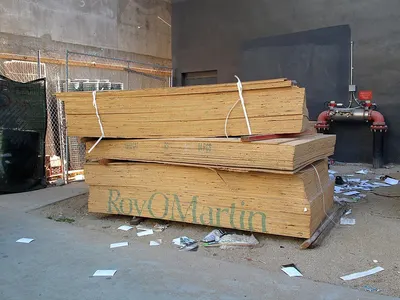
Engineered wood panels such as MDF, HDF and plywood are normally palletized on 8‑ft or 12‑ft wooden pallets, wrapped in protective film, and loaded in 20‑ft or 40‑ft containers under FOB Shanghai or CIF terms.
Which additional documents are advisable for the polymer leather (PU/PVC) products?
Buyers should ask for a material safety data sheet (MSDS), product data sheet specifying tensile strength and abrasion resistance, and any relevant REACH or RoHS compliance certificates.
What are the common inspection standards for the ceramic tiles under HS 6908.90?
Inspection typically covers surface finish grade, water absorption below 0.5 %, dimensional tolerance within ±0.5 mm, and compliance with ISO 13006 for ceramic tiles.
How can a buyer verify the quality of the para‑aramid fabric offered?
Request the fabric’s tensile strength test report, thermal resistance data (e.g., 400 °C), and any relevant certification such as NFPA 1971 or ISO 12947 for aramid textiles.




 , China