Shailvik Global — Verified Supplier
About Shailvik Global - Food Ingredients Supplier in India
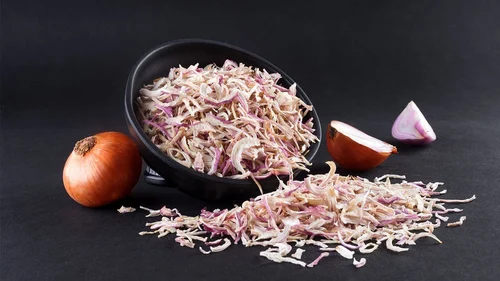
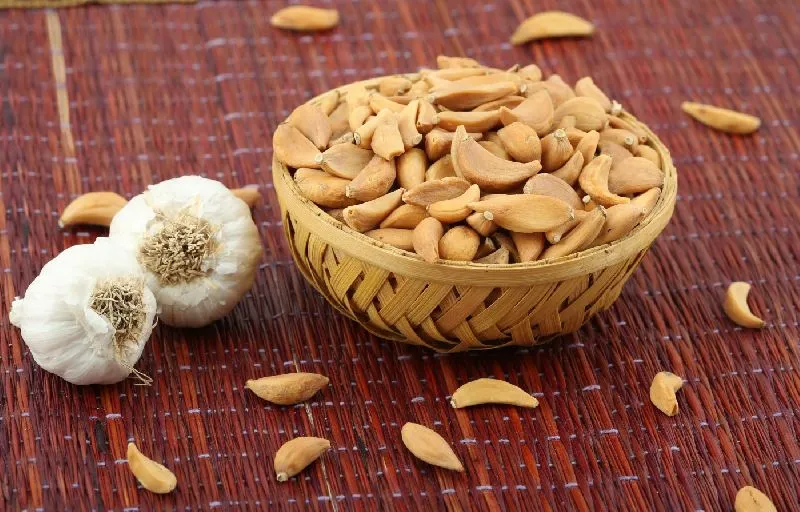
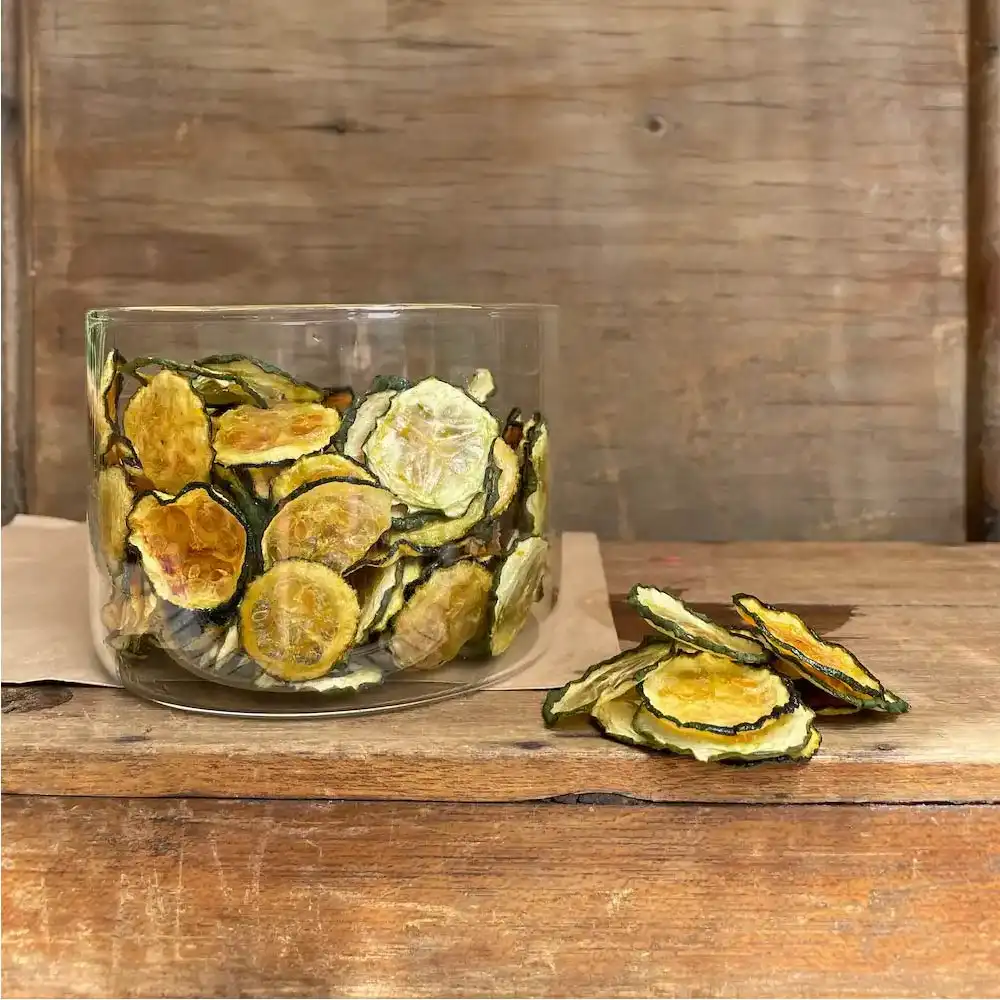
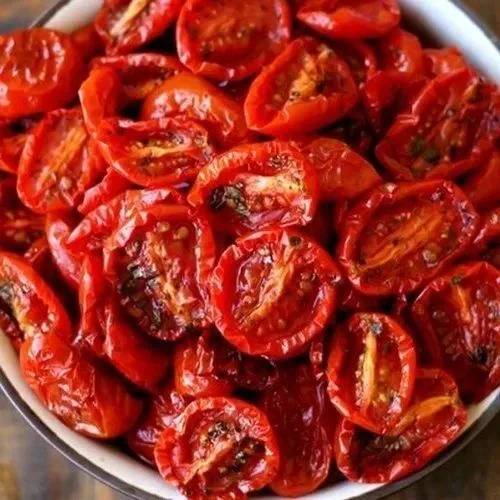
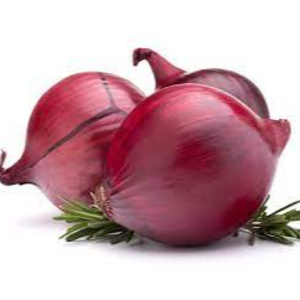
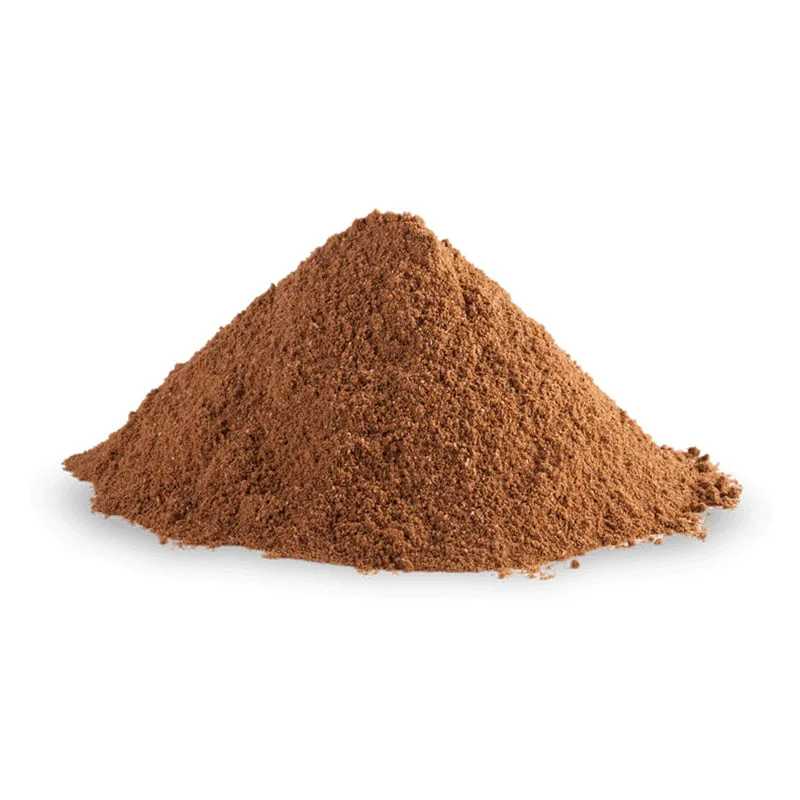
Shailvik Global operates from India and currently lists seven active products in its catalogue. The range includes dehydrated onion, dehydrated garlic, dried fruit, dried vegetables, tomato powder, peanut butter (HS code 2008.11, made from roasted peanuts) and activated carbon. These items fall under categories such as dehydrated vegetables, fruit powders, vegetable powders, butter and carbon. The supplier’s catalogue reflects both raw vegetable dehydrated forms and processed powders. All products are identified by their standard commodity descriptions used in international trade.
The dehydrated onion and garlic are classified under HS chapter 07 for edible vegetables, while dried fruit and dried vegetables are under HS chapter 08 for fruits and nuts. Tomato powder is also under HS 07. Peanut butter is listed under HS 20.08.11, a sub‑heading for preparations of nuts or other fruits. Activated carbon falls under HS 38.03 for activated carbon. The product list therefore spans HS code families 07, 08, 20 and 38, providing a diversified portfolio for food processors and industrial buyers.
Product Range and Specialties of Shailvik Global
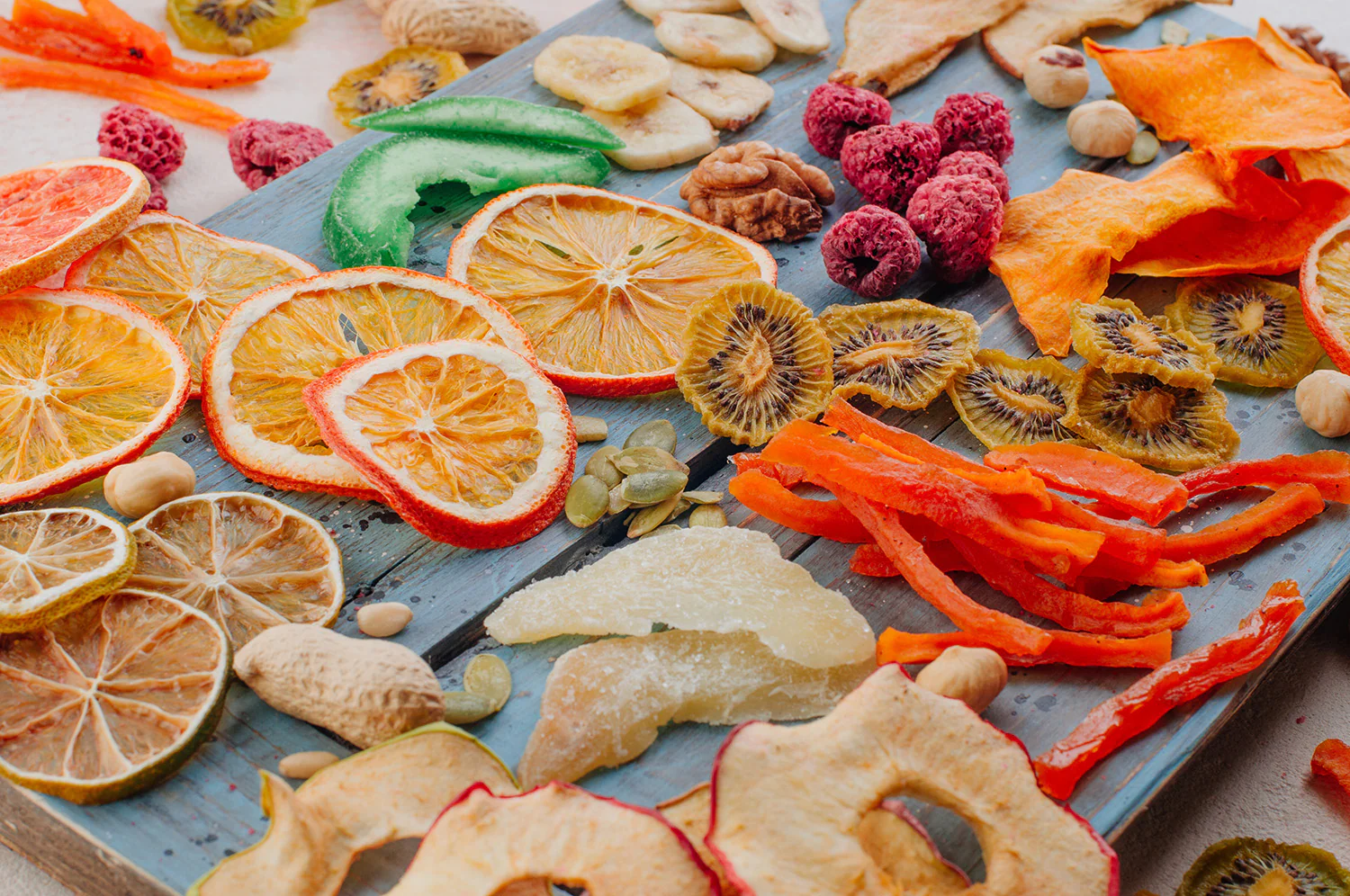
Shailvik Global’s catalogue shows dehydrated onion and garlic, dried fruit, dried vegetables, tomato powder, roasted‑peanut butter and activated carbon. In the food‑ingredient market, dehydrated onions and garlic are typically sold with moisture content not exceeding 8 % and particle size of 2‑5 mm to ensure rapid rehydration. Dried fruits usually have moisture ≤12 % and are graded by colour and Brix value, while tomato powder commonly targets ≥90 % total solids, moisture ≤5 % and a fine particle size around 150 µm. Peanut butter exported from India is frequently specified with fat content 45‑55 %, protein 20‑30 % and aflatoxin limits below 10 ppb, packed in 20 kg HDPE or kraft paper bags. Activated carbon is supplied in bulk 25 kg bags and conforms to adsorption capacity standards used in water treatment and air purification.
Trade and Export Information - Shailvik Global
India is a major exporter of dehydrated vegetables, fruit powders and nut‑based pastes, with primary markets in the European Union, the United States and the Gulf Cooperation Council. Buyers typically request ISO 22000, FSSAI approval and HACCP compliance for food‑grade dehydrated products, while activated carbon shipments often require compliance with ISO 9001 and relevant environmental standards. HS codes 07, 08, 20.08.11 and 38.03 are the standard tariff headings used for customs clearance, and shipments are usually dispatched in 20‑ft or 40‑ft containers with moisture‑resistant liners. Common Incoterms include FOB Indian ports such as Mumbai or Mundra, with buyers arranging freight forwarding and insurance.
Sourcing from Shailvik Global - Buyer Guidance
When sourcing from Shailvik Global, buyers should request the latest FSSAI licence, ISO 22000 or HACCP certificates for the dehydrated vegetable and fruit items, and an analysis report confirming moisture, microbial load and pesticide residues. For peanut butter, a test report covering fat, protein, moisture, iodine value and aflatoxin limits is standard, and buyers often ask for a Certificate of Analysis (CoA) per batch. Activated carbon purchases normally require a specification sheet detailing iodine number, BET surface area and ash content; confirming these parameters before order placement helps verify suitability for water or air filtration applications.
Frequently Asked Questions About Shailvik Global
What HS code is used for the peanut butter offered by Shailvik Global?
The peanut butter is classified under HS code 2008.11, which covers preparations of nuts or other fruits, primarily ground roasted peanuts.
Which certifications are typically required for the dehydrated onion and garlic products?
Buyers usually ask for ISO 22000 or HACCP certification, together with the Indian FSSAI licence, and a test report showing moisture ≤8 % and microbial limits within Codex standards.
What are the common moisture specifications for the dried fruit products?
Dried fruit exported from India generally meets a moisture content of 12 % or lower, with colour and Brix values documented in the Certificate of Analysis.
How is tomato powder typically packaged for export?
Tomato powder is commonly packed in 20 kg food‑grade HDPE or multi‑layer kraft paper bags that provide moisture barrier protection during sea freight.
What quality parameters should a buyer verify for activated carbon?
Key parameters include iodine number (≥900 mg/g), BET surface area (≥800 m²/g) and ash content (≤5 %). A detailed specification sheet is usually supplied with each batch.
Which markets most frequently import Indian dehydrated vegetables?
The European Union, the United States and Gulf states are the largest importers of Indian dehydrated vegetables, driven by demand for convenient food ingredients and long shelf‑life products.
What documentation is recommended before placing a sample order for peanut butter?
Request a recent Certificate of Analysis, the FSSAI licence, and a safety data sheet that includes fat, protein, moisture and aflatoxin test results.
What container size is typical for shipping the bulk products listed?
Bulk shipments of dehydrated powders, dried fruits and activated carbon are usually loaded into 20‑ft or 40‑ft containers, with inner liners to protect against moisture ingress.




 , India