Scrap Metal Clearance Company Limited — Verified Supplier
About Scrap Metal Clearance Company Limited - Scrap Metal Supplier in United Kingdom
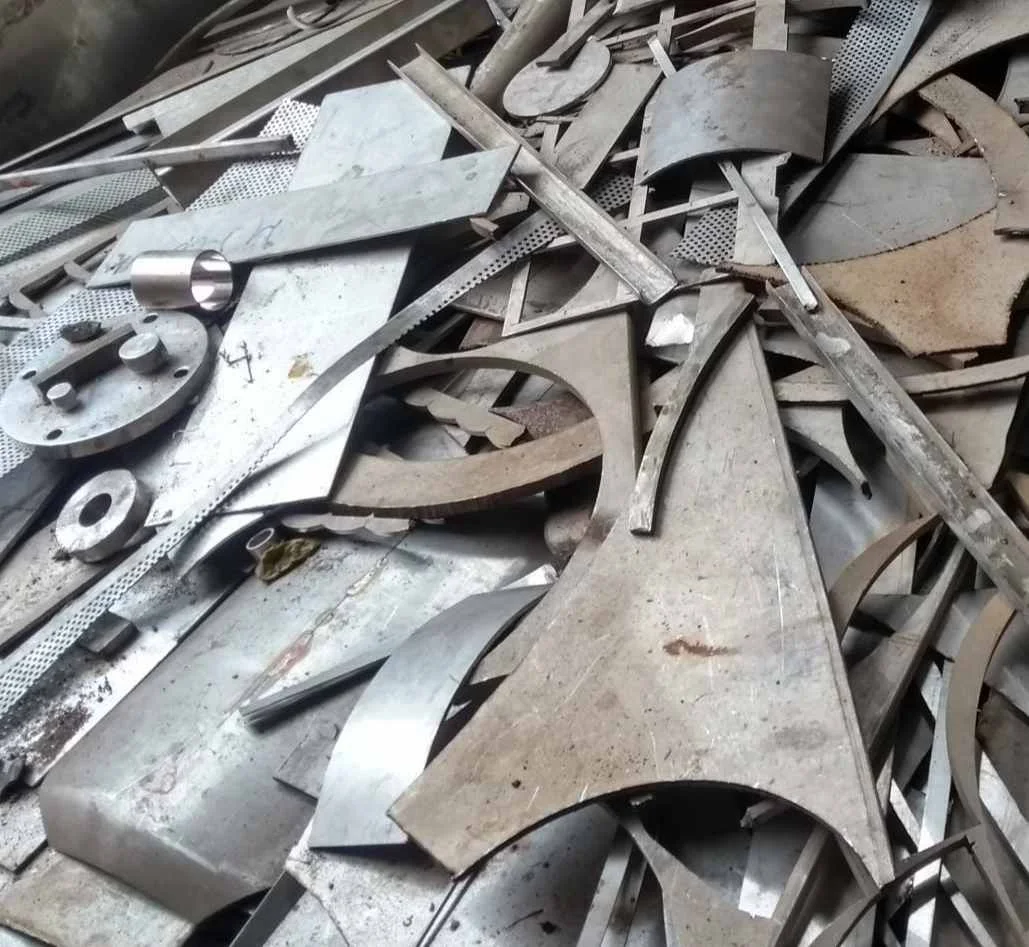
Scrap Metal Clearance Company Limited is based in the United Kingdom and currently lists 40 distinct product entries in its online catalogue. The catalogue spans a broad set of scrap categories, including ferrous and non‑ferrous metal scrap, electronic waste, battery components and assorted plastic raw materials. Each entry is identified by its material type and, where available, an HS‑code that places it within the global customs tariff system, such as HS 7204.10 for cast iron scrap or HS 7602.00 for aluminium beverage‑can (UBC) scrap. The supplier’s product list also references mixed electronic assemblies under HS 8548.10 and carbon anode material under HS 8545.11, illustrating the diversity of waste streams it handles. While the catalogue mentions no specific processing facilities, the range of HS‑code families indicates capability to source both bulk ferrous scrap (HS 7204) and specialised non‑ferrous or electronic fractions (HS 7602, HS 8548).
Product Range and Specialties of Scrap Metal Clearance Company Limited
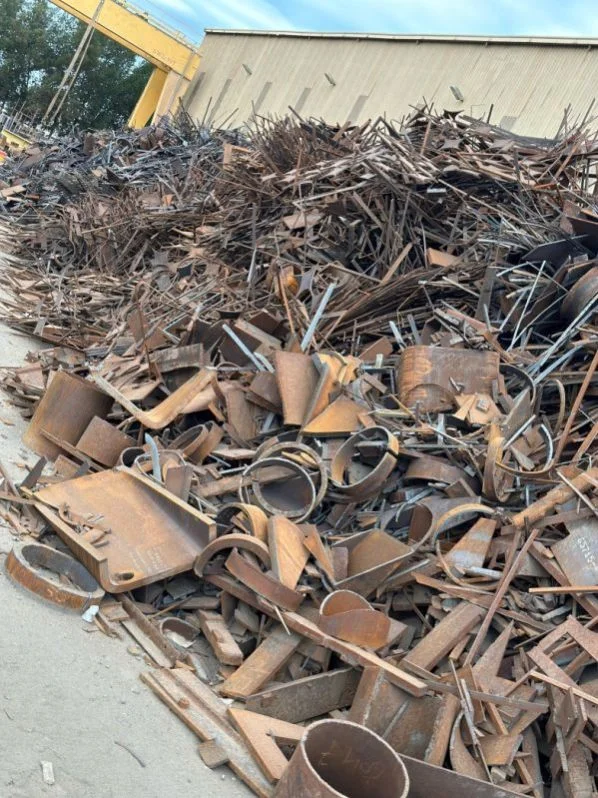
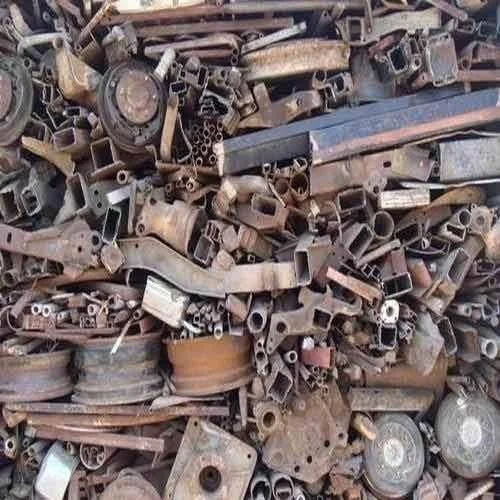
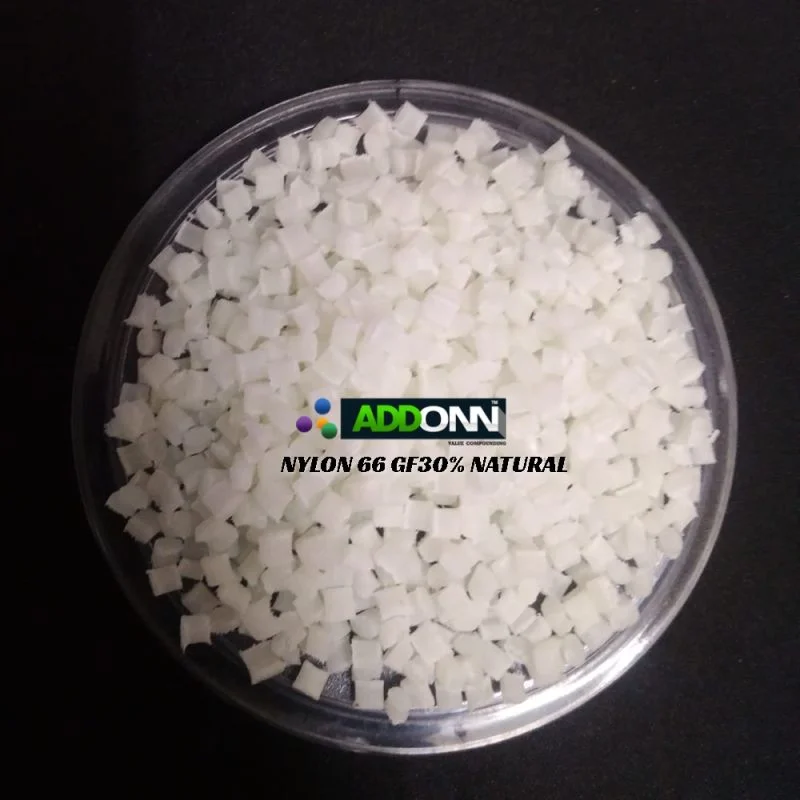
The catalogue includes items such as Cast Iron Scrap (Fe 92‑96 %, C 2‑4 %, Si 1‑3 %) classified under HS 7204.10, Aluminium UBC Scrap (Al 91‑97 %) under HS 7602.00, and mixed RAM module scrap (copper, gold, PCB) under HS 8548.10. In the UK, ferrous scrap is commonly graded as HMS 1, HMS 2, or shredded grades, with typical moisture content below 1 % and density around 4.0‑4.5 t/m³. Aluminium scrap is often sorted by alloy series (e.g., 3003, 6063) and measured for aluminium content above 90 % before melting. Electronic scrap such as RAM or CPU modules is usually evaluated for precious‑metal recovery rates, with gold content ranging from 0.1 % to 0.5 % and copper recovery above 80 %. Plastic raw material entries like LDPE and HDPE are graded by melt flow index (MFI) values, commonly 0.8‑5 g/10 min for extrusion applications.
Trade and Export Information - Scrap Metal Clearance Company Limited
The United Kingdom is a major exporter of ferrous and non‑ferrous scrap to the European Union, Turkey, the United Arab Emirates and several Asian markets, where recycled metal feeds steel mills and aluminium foundries. HS 7204 series items (cast iron, steel) typically require a Certificate of Origin, a material analysis report, and compliance with EU REACH restrictions on heavy metals. Aluminium HS 7602 shipments are often subject to the EU’s Waste Framework Directive and may need documentation of de‑contamination for coatings or paint residues. Electronic scrap under HS 8548 is frequently inspected for hazardous substances under the RoHS directive, and buyers usually request a detailed assay of precious‑metal content. Standard export packaging includes steel bales for ferrous scrap, bulk containers for aluminium ingots, and sealed wooden crates for electronic components, with shipping terms most often quoted as FOB UK port or CIF destination.
Sourcing from Scrap Metal Clearance Company Limited - Buyer Guidance
When sourcing from Scrap Metal Clearance Company Limited, buyers should request a recent material test report that confirms the elemental composition (e.g., Fe % and C % for cast iron, Al % for aluminium UBC) and any moisture or impurity levels. For electronic and battery scrap, a detailed assay covering gold, copper, lithium‑ion chemistries and hazardous‑material compliance is essential before contract award. Buyers are advised to verify the supplier’s Certificate of Origin and, where applicable, REACH or RoHS compliance certificates, as these documents are standard prerequisites for customs clearance in most importing jurisdictions. Confirming the packaging format (e.g., 20‑ft container load, steel bales, sealed crates) and the weight per unit (typically 1‑2 t per bale for ferrous scrap) helps align logistics and handling expectations.
Frequently Asked Questions About Scrap Metal Clearance Company Limited
What HS codes are used for the metal scrap items listed by the supplier?
The supplier tags Cast Iron Scrap with HS 7204.10, Aluminium UBC and shredded aluminium scrap with HS 7602.00, mixed electronic RAM and CPU scrap with HS 8548.10, and Carbon Anode Scrap with HS 8545.11. Ferrous steel grades such as Grade 1 Old Steel and Grade 2 Old Steel are listed under HS 7204.49.
Which certifications should a buyer request for the electronic scrap?
Buyers should request a RoHS compliance statement, a REACH registration summary and an assay report detailing precious‑metal content (gold, copper, palladium) for RAM, CPU and other electronic scrap.
What typical physical specifications apply to aluminium ingot shipments?
Aluminium ingots are usually supplied in 1‑tonne blocks, with aluminium content above 99 % and alloying elements documented. They are shipped in 20‑ft containers on wooden pallets, sealed against moisture.
How is ferrous scrap such as HMS 1 usually graded?
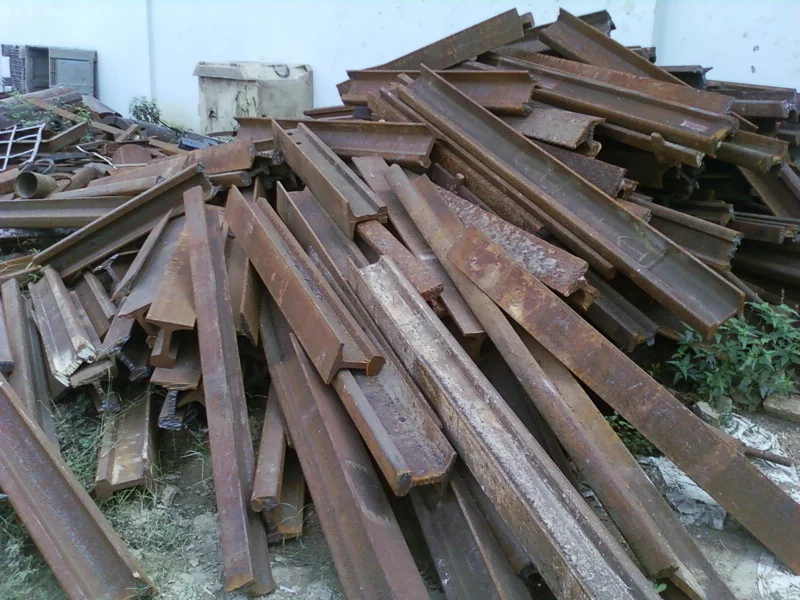
HMS 1 is a clean, low‑sulphur steel scrap with a typical thickness of 5 mm, moisture below 1 %, and a density of about 4.5 t/m³. It is often bundled in steel bales weighing 1‑2 tonnes each.
What documentation is needed for battery scrap imports?
Importers normally require a Certificate of Origin, a hazardous‑waste classification, and a test report showing lead content, electrolyte residuals and compliance with UN 3480/3481 transport regulations.
What are the common incoterms used for UK scrap metal exports?
Suppliers in the United Kingdom typically quote FOB (Free on Board) from major ports such as Immingham or Felixstowe, and CIF (Cost, Insurance, Freight) for destinations in the EU, Middle East and Asia.
What packaging methods are standard for plastic raw material scrap like LDPE or HDPE?
LDPE and HDPE are usually baled or packed in 1‑tonne HDPE drums, with an outer layer of shrink‑wrap to protect against contamination. Containers are sealed and labeled according to the relevant HS code (typically HS 3901).
How can a buyer verify the metal content of aluminium UBC scrap?
The buyer should request a recent spectrometric analysis (e.g., XRF) that confirms aluminium content between 91‑97 % and identifies any residual coating metals such as zinc or tin.




 , United Kingdom