Agriculture›
 Apparel and fashion accessories›
 Construction & real estate›💡Electronic & Electrical›🍎Food & Beverages›🛋️Home furnishing & supplies›⚗️Industrial goods & chemical›🪨Minerals & metals›📦Miscellaneous›Agriculture›Apparel and fashion accessories›Construction & real estate›💡Electronic & Electrical›🍎Food & Beverages›🛋️Home furnishing & supplies›⚗️Industrial goods & chemical›🪨Minerals & metals›📦Miscellaneous›
S3 Exports Product Catalog
About S3 Exports - Cushions & Pillows Supplier in India
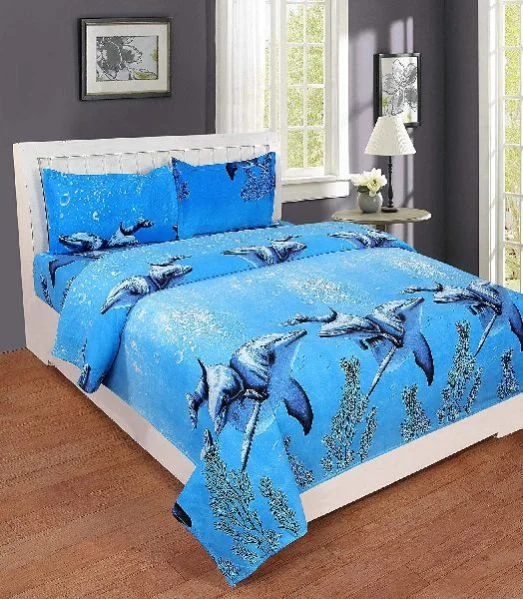
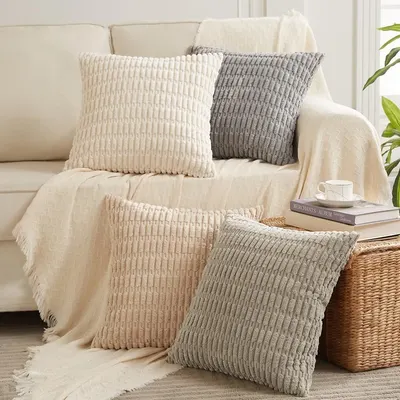
S3 Exports is based in India and lists 22 distinct home‑textile items in its catalogue. The listed items fall under the categories Cushions & Pillows, Cushion Covers, Clothing & Accessories, and Bed Linens/Bed Sheets. Within the cushion segment the company offers a variety of designs such as slub, stripe, textured, pleated, embroidered and foil‑printed cushions. Several of the cushion products are classified under HS chapter 94.04 - “Other furniture and parts thereof”, specifically HS code 9404.90 for cotton or polyester blend covers with fiber fillings. The bed sheet and Christmas stocking items are recorded under HS codes 6302.21 (cotton bed linen) and 9505.10 (festive textiles) respectively.
Product Range and Specialties of S3 Exports
The S3 Exports catalogue lists 22 items, primarily cushion variants such as slub, stripe, textured, pleated, embroidered and foil‑printed designs, together with a printed bed sheet, a Christmas stocking and assorted cushion covers. Most cushion products are classified under HS 9404.90 and feature covers made from cotton, polyester or blended fabrics filled with polyester fibers, while a few embroidered cushions carry HS 6304.90/91 for cotton textile articles. The printed bed sheet is recorded under HS 6302.21 and is described as 100 % cotton or a cotton‑polyester mix, matching common bedding material choices. The Christmas stocking falls under HS 9505.10 and uses polyester felt or cotton blend fabric, a standard composition for festive textile gifts. In the global home‑textile market, cushion covers are typically produced in fabric weights between 150‑250 g/m², with thread counts of 200‑300 for cotton blends and polyester fills measured by loft or density (often 30‑45 kg/m³). Bed sheets marketed internationally usually meet a thread count of 200‑400 and may carry Oeko‑Tex Standard 100 certification to confirm the absence of harmful substances. Buyers often request compliance with fire‑safety standards such as ISO 11601 for upholstered products, and for Indian exports the ISI mark for textile safety can be relevant. Common certifications sought for these categories include ISO 9001 for quality management, Oeko‑Tex, and GOTS when organic cotton is involved; while S3 Exports does not list certifications, purchasers should verify any required certificates before finalising contracts.
Frequently Asked Questions About S3 Exports
What types of cushion designs does S3 Exports offer?
The catalogue includes slub, stripe, textured, pleated, embroidered and foil‑printed cushions, each listed under HS 9404.90 with covers made from cotton, polyester or blended fabrics and polyester fiber filling. These designs are offered as single‑piece decorative items suitable for residential and hospitality settings.
Are the bed sheets supplied as 100 % cotton?
The “Bed Sheet Printed” entry specifies 100 % cotton, though the description notes that a cotton‑polyester blend may also be offered depending on buyer preference. Buyers can select the material composition when placing the order.
Which HS codes are associated with the products?
Cushions are primarily classified under HS 9404.90, while embroidered cotton cushions fall under HS 6304.90 or 6304.91. The printed bed sheet uses HS 6302.21 and the Christmas stocking is recorded under HS 9505.10.
What certifications should a buyer request for these textile items?
Typical certifications for these textile products include Oeko‑Tex Standard 100 for chemical safety and ISO 9001 for quality management systems. In markets with fire‑safety requirements, buyers should also request compliance reports such as ISO 11601.
What is the usual minimum order quantity for cushions?
Indian cushion exporters commonly set minimum order quantities between 500 and 1,000 pieces per design. Exact MOQs may vary depending on the selected fabric and embellishment details.
 India
Related Suppliers & Products
Explore similar suppliers, related products and trending categories