RR Minchem — Supplier
About RR Minchem - Mineral Powder Supplier in India
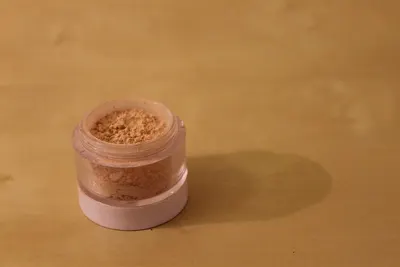
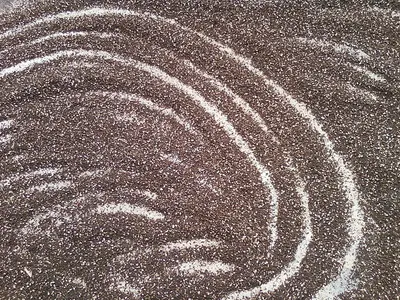
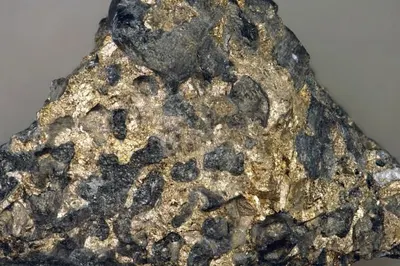
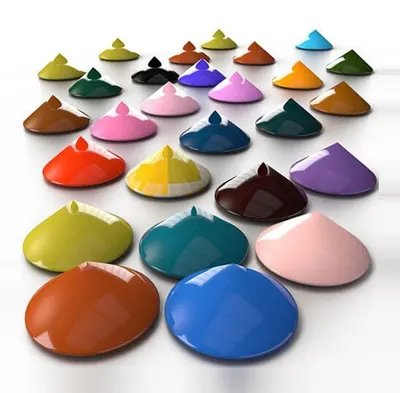
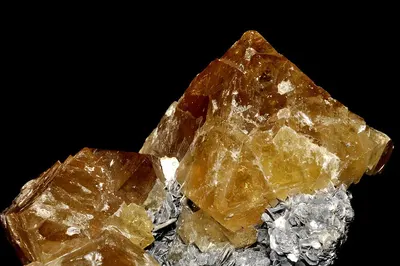
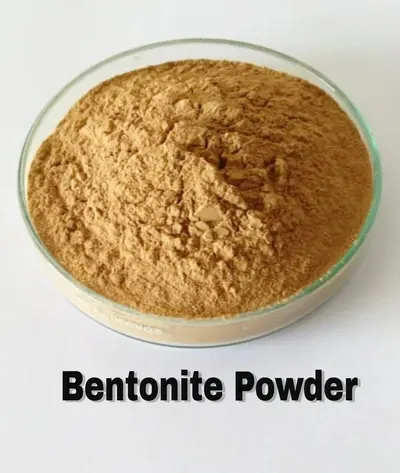
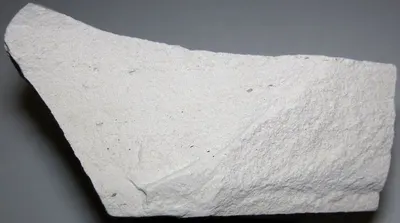
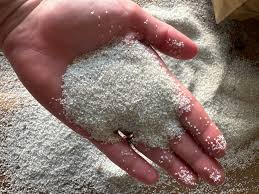
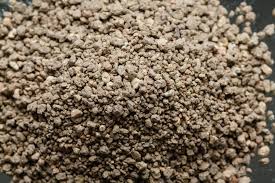
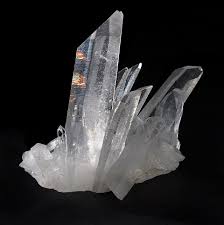
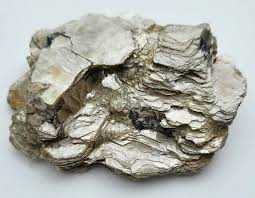
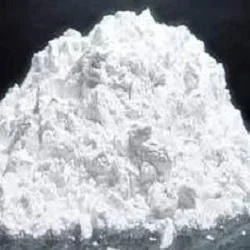
RR Minchem is based in India and lists ten active mineral products. The catalogue covers categories such as Mineral Powder, Stones & Slates, Clay, Quartz, Bentonite, Abrasives, Other Ores & Minerals and Mica. Products include China Clay (HS 2507.00, kaolin Al2Si2O5(OH)4), Quartz Lumps (HS 2506.10, SiO2), Bentonite (HS 2508.10, natural montmorillonite, sodium or calcium based), Earth Ochre Powder (HS 3206.42, natural iron‑oxide clay), Garnet Abrasive Sand (HS 2513.20, almandine garnet), Copper Slag (HS 2620.30, iron‑silicate based with 0.5‑2 % Cu), Diatomaceous Earth Powder (HS 2512.00, amorphous silica), White Pebbles (no HS code listed), Pebbles Colored (no HS code listed) and Mica Flakes, Powder (HS 2525.20, muscovite KAl2(AlSi3O10)(F,OH)2).
These minerals are supplied in forms such as fine powders, coarse lumps, granular sand and flake grades, matching typical industrial specifications. Kaolin and bentonite are commonly used in ceramics, paints and drilling fluids, while quartz and diatomaceous earth serve as raw material for glass manufacturing and filtration. Garnet abrasive sand is graded by hardness and grain size for grinding applications, and copper slag is used in metallurgy and construction as a pozzolanic additive. Mica flakes are valued for their electrical insulation and thermal resistance in electronics and automotive sectors. The product list reflects the HS chapter 25 mineral products and chapter 32 chemical preparations, which are standard tariff categories for such exports.
Product Range and Specialties of RR Minchem
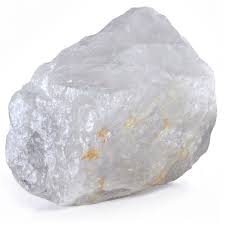
RR Minchem’s catalogue includes kaolin (China Clay) classified under HS 2507.00, which in international trade is offered in grades ranging from ICUMSA 45 to 150, with typical particle sizes between 1 µm and 10 µm and moisture content below 2 %. The quartz lumps (HS 2506.10) are usually supplied with a silica purity of 99.5 % or higher and a grain size distribution of 0.5 mm to 5 mm, suitable for glass and foundry use. Bentonite (HS 2508.10) is offered in sodium or calcium forms, with cation exchange capacity (CEC) values of 80 - 120 meq/100 g and bulk densities around 0.9 t/m³. Earth ochre powder (HS 3206.42) is marketed in red and yellow iron‑oxide grades with pigment strength measured by ISO 12042, typically 50 - 70 % Fe₂O₃. Garnet abrasive sand (HS 2513.20) is supplied in 0.2 mm to 1 mm grain sizes, hardness 7 - 7.5 Mohs, and iron content below 5 %. Copper slag (HS 2620.30) is provided as a coarse aggregate with copper content 0.5 - 2 % and silica content 30 - 45 %. Diatomaceous earth powder (HS 2512.00) commonly meets a silica purity of 90 - 95 % and a bulk density of 0.3 t/m³. Mica flakes and powder (HS 2525.20) are graded by flake thickness (10 µm to 100 µm) and electrostatic resistance, with typical potassium content above 10 %.
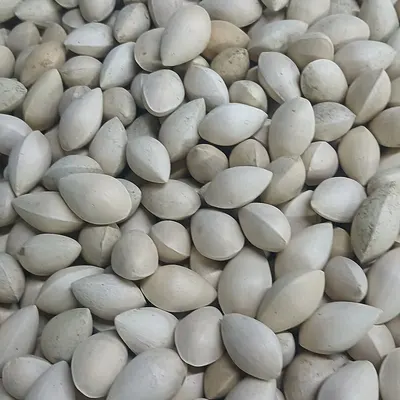
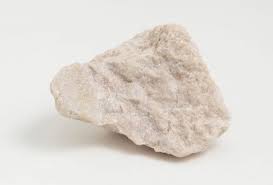
White Pebbles and Pebbles Colored are supplied as bulk aggregates, generally sized 5 mm to 20 mm, packed in bulk bags or 20‑ft containers for construction and landscaping markets.
Trade and Export Information - RR Minchem
India is a recognized exporter of mineral powders and aggregates, with the majority of shipments directed to the European Union, United States, Middle East and Southeast Asian markets. HS chapters 25 and 32 are routinely examined under customs regimes that may require certificates of origin, REACH registration for chemical safety, and ISO 9001 quality management documentation. Buyers typically request laboratory analysis reports confirming purity, particle size distribution and heavy‑metal limits in accordance with ASTM D4809 (kaolin) or ASTM C618 (silica).
Standard export logistics for the listed products involve bulk bagging (1 t or 2 t bags), paper sacks or wooden crates, loaded into 20‑ft or 40‑ft containers under FOB or CIF terms. For powdered materials such as kaolin, bentonite and diatomaceous earth, moisture control and sealed packaging are essential to prevent caking. Regulatory inspections may include sampling by the Indian Directorate General of Foreign Trade (DGFT) and compliance with the Basel Convention for mineral waste such as copper slag.
Sourcing from RR Minchem - Buyer Guidance
Prospective buyers should request a Material Safety Data Sheet (MSDS), recent test reports for each mineral (e.g., silica content, iron‑oxide percentage, cation exchange capacity), and evidence of any REACH or ISO certifications that the supplier can provide. Sampling is commonly offered in 5 kg to 25 kg quantities, allowing verification of particle size, moisture and bulk density before confirming larger orders.
Typical minimum order quantities for bulk powders range from 1 ton to 5 tons, with lead times of 30 - 45 days after receipt of a pro‑forma invoice. Verify packaging specifications - such as polyethylene‑lined bulk bags for moisture‑sensitive powders - and confirm the agreed Incoterm (FOB Mumbai or CIF destination) to align with shipping and insurance responsibilities.
Frequently Asked Questions About RR Minchem
What product specifications are standard for the kaolin offered by RR Minchem?
Kaolin is usually supplied with an ICUMSA grade between 45 and 150, particle size 1‑10 µm, moisture below 2 % and silica content around 45‑55 %.
Which certifications should I ask for when purchasing quartz lumps?
Request an ISO 9001 quality certificate, a recent ASTM C618 test report confirming ≥99.5 % SiO₂ purity, and any REACH registration applicable to silica products.
How is bentonite typically graded and what test reports are relevant?
Bentonite is classified as sodium or calcium type; buyers normally request cation exchange capacity (CEC) values, bulk density, and a moisture content test in accordance with ASTM D5890.
What packaging options are available for diatomaceous earth powder?
The powder is packed in 1‑ton or 2‑ton polyethylene‑lined bulk bags, or in 20‑ft containers with moisture‑proof liners; sealed packaging helps maintain the typical bulk density of 0.3 t/m³.
Are there any import restrictions for copper slag from India?
Importers should verify that the slag complies with local heavy‑metal limits, provide a certificate of analysis for copper (0.5‑2 %), and ensure the shipment meets any environmental permitting requirements of the destination country.
What is the typical lead time and MOQ for mica flakes?
Mica flakes are generally ordered in minimum quantities of 1 ton, with a lead time of 30‑45 days from order confirmation to shipment.
Which HS codes apply to the listed products and why are they important?
The relevant HS codes are 2507.00 for kaolin, 2506.10 for quartz lumps, 2508.10 for bentonite, 3206.42 for earth ochre powder, 2513.20 for garnet abrasive sand, 2620.30 for copper slag, 2512.00 for diatomaceous earth, and 2525.20 for mica; these codes determine tariff rates, required documentation and customs procedures.




 , India