Agriculture›
 Apparel and fashion accessories›
 Construction & real estate›💡Electronic & Electrical›🍎Food & Beverages›🛋️Home furnishing & supplies›⚗️Industrial goods & chemical›🪨Minerals & metals›📦Miscellaneous›Agriculture›Apparel and fashion accessories›Construction & real estate›💡Electronic & Electrical›🍎Food & Beverages›🛋️Home furnishing & supplies›⚗️Industrial goods & chemical›🪨Minerals & metals›📦Miscellaneous›
Rongcheng Huacheng Rubber Co,.Ltd
⚓ Harbor , ChinaNew supplier / no reviews yet
Rongcheng Huacheng Rubber Co,.Ltd Product Catalog

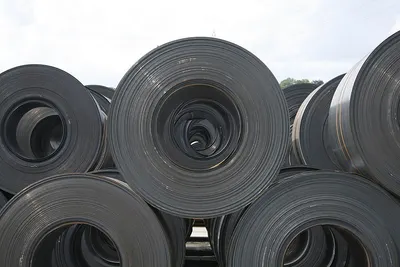
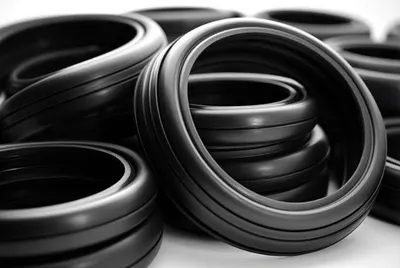
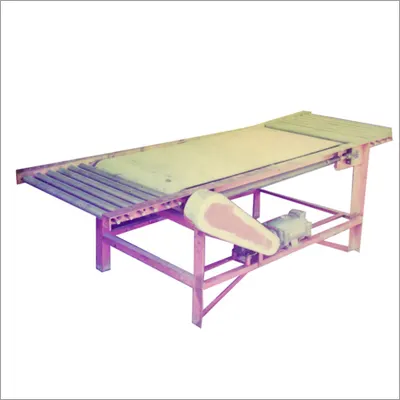
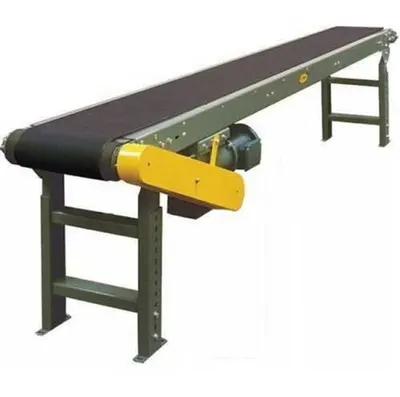


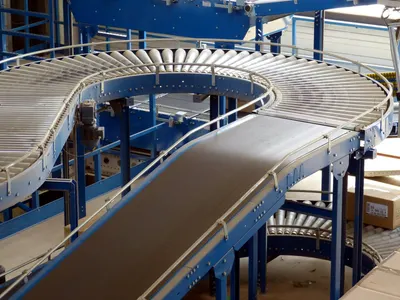
About Rongcheng Huacheng Rubber Co,.Ltd - Conveyor Systems & Parts Supplier in China
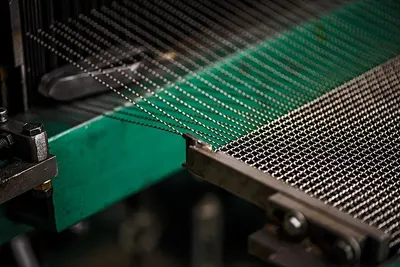
China‑based Rongcheng Huacheng Rubber Co,.Ltd lists 25 active products across the Agriculture and Conveyor Systems & Parts categories. The catalogue includes a variety of conveyor belt types such as fabric belts, flame‑retardant belts, rubber belts for cement and mining, timing belts, polyurethane skirts, nylon‑rubber hybrid belts and NR/BR blend covers. Each product falls under typical HS‑code families for belts, for example chapter 40 (HS 4010 for rubber conveyor belts and HS 4012 for textile‑reinforced belts).
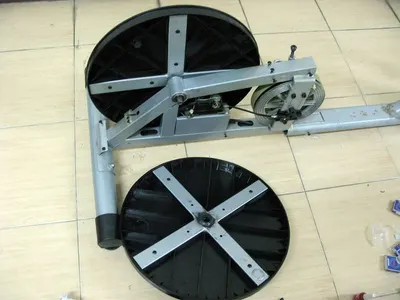
The product list details specific forms like multi‑ply belts, sidewall belts, heat‑ and cold‑resistant belts, EP and EP800/4 rubber belts, textile‑conveyor belts, PVC elevator belts and rubber‑or‑plastic covered belts. The catalogue also mentions specialized items such as chevron belts, flat timing belts and training idlers with rubber coating. This range reflects the common material groups used in bulk material handling - natural rubber, synthetic rubber, PVC, polyurethane and reinforced fabrics.
Product Range and Specialties of Rongcheng Huacheng Rubber Co,.Ltd
The supplier’s catalogue covers fabric‑reinforced belts, rubber compounds for heavy‑industry use, and specialty coatings such as flame‑retardant and heat‑resistant layers. In the conveyor‑belt market, fabric‑reinforced belts typically use polyester or nylon woven fabrics with tensile strengths of 10‑30 MPa and thicknesses from 4 mm to 12 mm. Rubber belts for cement or mining often employ NR/BR blends that provide oil resistance and operate between - 30 °C and 120 °C, while flame‑retardant belts are tested to UL 94 V‑0 or equivalent standards. Polyurethane skirts are used to protect belt edges and are rated for abrasion resistance above 200 kPa. PVC elevator belts are supplied in coil form, usually 0.5 m to 2 m wide, and meet IEC 60204 safety requirements.
Frequently Asked Questions About Rongcheng Huacheng Rubber Co,.Ltd
What types of conveyor belts does Rongcheng Huacheng Rubber list in its catalogue?
The catalogue includes fabric‑reinforced belts, flame‑retardant belts, rubber belts for cement and mining, timing belts, polyurethane side skirts, nylon‑rubber hybrid belts, NR/BR blend covers, multi‑ply and sidewall belts, heat‑ and cold‑resistant belts, EP and EP800/4 belts, textile belts, PVC elevator belts and rubber‑or‑plastic covered belts.
Which HS‑code categories apply to the listed belts?
Typical HS‑code families are 4010 for rubber conveyor belts and 4012 for textile‑reinforced belts; customs may also reference chapter 39 for PVC‑based belts.
What certifications are normally required for these conveyor belts?
Buyers usually request ISO 9001 quality‑management certification, CE marking for EU markets, and fire‑rating certificates such as UL 94 V‑0 or ASTM E84 for flame‑retardant products.
What technical specifications should a buyer verify before ordering?
Key specifications include belt material (rubber type or fabric), tensile strength (10‑30 MPa typical), operating temperature range (‑30 °C to 120 °C), width and thickness tolerances, fire‑rating, and abrasion resistance values.
How can a buyer obtain a sample of a specific belt type?
The supplier can provide a 5 m sample coil for fit verification; the sample request should specify belt width, thickness and any special coating or fire‑rating requirements.
ChinaRelated Suppliers & Products
Explore similar suppliers, related products and trending categories