Agriculture›
 Apparel and fashion accessories›
 Construction & real estate›💡Electronic & Electrical›🍎Food & Beverages›🛋️Home furnishing & supplies›⚗️Industrial goods & chemical›🪨Minerals & metals›📦Miscellaneous›Agriculture›Apparel and fashion accessories›Construction & real estate›💡Electronic & Electrical›🍎Food & Beverages›🛋️Home furnishing & supplies›⚗️Industrial goods & chemical›🪨Minerals & metals›📦Miscellaneous›
Renuka Book Product Catalog




About Renuka Book - Stationery Supplier in India
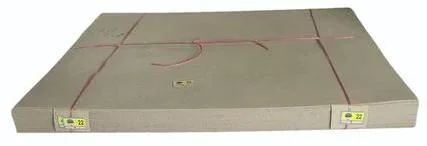
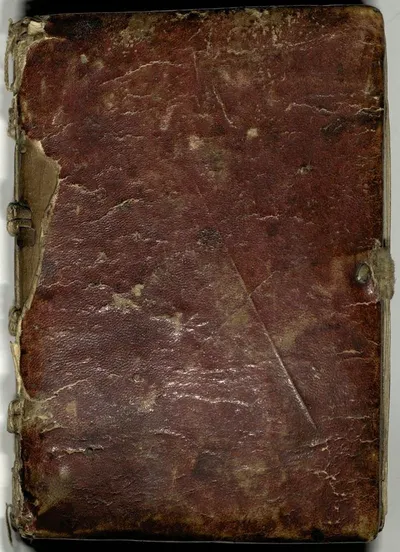
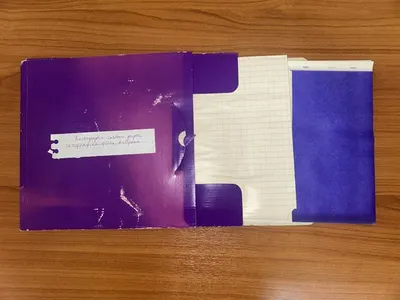
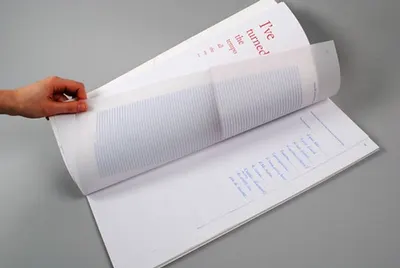
India hosts Renuka Book, an Indian supplier that currently lists 32 distinct products across its catalogue. The supplier’s offerings fall under three top categories: Stationery, Books, Magazines, Music & Entertainment, and Light & Medium Machinery. Within the Stationery segment the catalogue enumerates items such as A/5 notebooks, A/4 notebooks, school and college books, registers, conference pads, slip pads, sketch and drawing books, and related paper raw material. The product list also includes ancillary items like notebook cover pages, box files and office files. Each entry is recorded as an individual product without further sub‑categorisation.
Beyond the stationery list, Renuka Book also references products linked to publishing and light machinery, such as notebook making machines and raw material for notebook paper. Although no HS codes are supplied, the items belong to the HS 4820 family for paper stationery and HS 8443 for printing and writing machines. The catalogue’s breadth reflects typical Indian manufacturers that produce both finished stationery and the equipment needed for in‑house production.
Product Range and Specialties of Renuka Book
The catalogue focuses on a variety of notebooks and registers that are common in the global stationery market. Typical specifications for these items include paper weight ranging from 70 g / m² for sketch pads to 120 g / m² for legal‑size registers, acid‑free or archival quality paper, and binding options such as perfect bind, spiral or stitched binding. Cover materials are often PVC, polypropylene or cardboard with thicknesses between 0.5 mm and 1.2 mm, and many buyers request ISO 9001‑compliant quality management and FSC‑certified paper sources.
In addition to finished stationery, the supplier lists a notebook making machine and raw notebook paper material. Machinery in this category is usually classified under HS 8443 and conforms to IEC safety standards, while raw paper is supplied in bulk rolls or sheets meeting ISO 216 dimensions. Buyers of such equipment typically evaluate motor power (kW), production speed (pages per minute) and warranty terms before purchase.
Frequently Asked Questions About Renuka Book
What types of notebooks are listed in Renuka Book’s catalogue?
The catalogue includes A/5, A/4, legal‑size, school, college, practical, sketch, rough and drawing notebooks, as well as specialized registers and slip pads. Each product appears as a separate entry within the supplier’s 32‑item list.
Which HS code family applies to the stationery items?
Indian stationery products such as notebooks, registers and paper pads are generally classified under HS chapter 48, specifically heading 4820 for paper stationery. Buyers should confirm the exact sub‑heading with the supplier for each SKU.
What specifications do buyers typically require for notebooks?
Typical buyer specifications include paper weight between 70 g / m² and 120 g / m², acid‑free or archival quality, and binding methods like perfect bind, spiral or stitched. Cover material is often PVC, polypropylene or cardboard with a defined thickness.
What certifications are commonly required for Indian stationery exports?
Exporters often provide ISO 9001 quality‑management certification and, where applicable, FSC or PEFC forest‑certified paper documentation. Buyers should ask Renuka Book to supply copies of any relevant certificates.
How are the products usually packaged and shipped?
Notebooks and pads are typically packed in cardboard boxes, with 500‑1000 units per box, and loaded into 20‑ft or 40‑ft containers for sea freight. Standard Incoterms used include FOB Mumbai or CIF to the destination port.
 India
Related Suppliers & Products
Explore similar suppliers, related products and trending categories