Reliance Bcts — Verified Supplier
About Reliance Bcts - Petroleum By Products Supplier in Netherlands
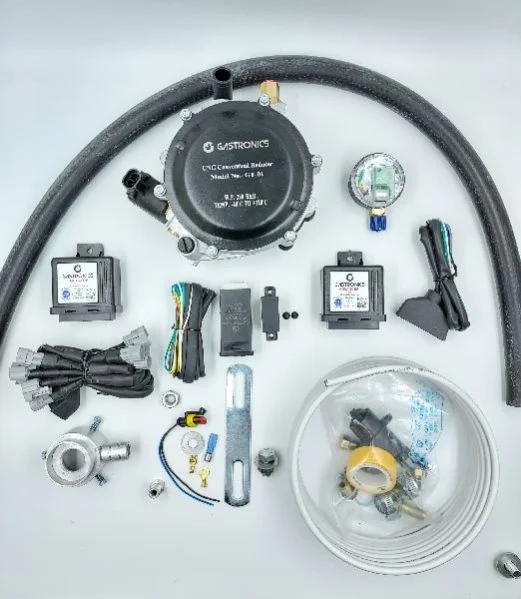
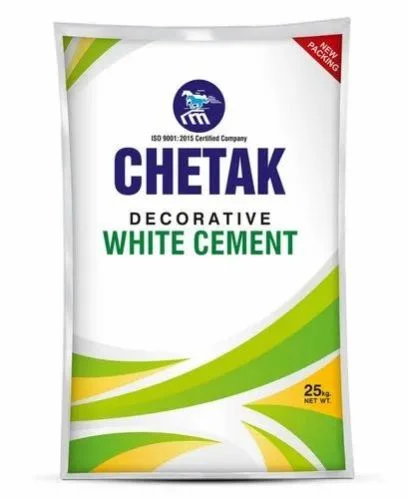
Reliance Bcts is based in the Netherlands and has an active product count of 7. The company lists a variety of products, including Sugar, Cement, EN590 10 ppm, Jet A1, Crude oil, LNG, and LPG. These products fall under the categories of Petroleum By Products, Kerosene Oil, Marine Oil, Crude Oil, LPG/LNG & CNG, Vegetable Oils, Palm Oil, and Petrol. The HS code families for these products include 1701.99 for Sugar, 2523.29 for Cement, 2710.19 for EN590 10 ppm and Jet A1, 2709.00 for Crude oil, 2711.11 for LNG, and 2711.12 for LPG.
The materials used in these products are Refined Beet Sugar C12H22O11 Sucrose 99.9%+ Pure for Sugar, Portland Cement Clinker with Gypsum for Cement, Ultra-Low Sulfur Diesel (ULSD), Distillate Fuel Oil for EN590 10 ppm, Refined Petroleum Kerosene (Jet A1 Grade) for Jet A1, Crude Petroleum Oil for Crude oil, Liquefied Natural Gas (Methane CH4) for LNG, and Liquefied Petroleum Gas (Propane/Butane mixture) for LPG. The company operates in the Netherlands, with its products likely being exported to various regions, including Europe, Asia, and the Americas.
Product Range and Specialties of Reliance Bcts
Reliance Bcts' product range includes Sugar, Cement, EN590 10 ppm, Jet A1, Crude oil, LNG, and LPG. The typical grades and standard specifications for these products are as follows: Sugar is typically graded according to its purity, with a minimum of 99.9% sucrose content. Cement is typically graded according to its strength, with a minimum of 42.5 MPa. EN590 10 ppm and Jet A1 are typically graded according to their sulfur content, with a maximum of 10 ppm. Crude oil is typically graded according to its API gravity, with a range of 15-45 degrees. LNG and LPG are typically graded according to their methane and propane content, with a minimum of 95% methane for LNG and a minimum of 90% propane for LPG.
The common materials and variants used in these products are Refined Beet Sugar C12H22O11 Sucrose 99.9%+ Pure for Sugar, Portland Cement Clinker with Gypsum for Cement, Ultra-Low Sulfur Diesel (ULSD), Distillate Fuel Oil for EN590 10 ppm, Refined Petroleum Kerosene (Jet A1 Grade) for Jet A1, Crude Petroleum Oil for Crude oil, Liquefied Natural Gas (Methane CH4) for LNG, and Liquefied Petroleum Gas (Propane/Butane mixture) for LPG. Buyers should request samples and test reports to verify the quality of these products.
Trade and Export Information - Reliance Bcts
Exporters of Petroleum By Products, such as Reliance Bcts, typically export their products to various regions, including Europe, Asia, and the Americas. The HS code families involved in these exports include 1701.99 for Sugar, 2523.29 for Cement, 2710.19 for EN590 10 ppm and Jet A1, 2709.00 for Crude oil, 2711.11 for LNG, and 2711.12 for LPG. Certifications commonly required for these products include ISO 9001 for quality management and ISO 14001 for environmental management. Relevant regulatory and logistics norms include the EU's REACH regulation and the IMO's MARPOL convention.
Buyers of these products should be aware of the typical packaging and shipping requirements, including the use of ISO tanks for LNG and LPG, and the requirement for ULSD and Jet A1 to be shipped in dedicated tanks. Incoterms commonly used in these exports include CIF and FOB.
Sourcing from Reliance Bcts - Buyer Guidance
When sourcing from Reliance Bcts, buyers should request samples and test reports to verify the quality of the products. They should also request certifications, such as ISO 9001 and ISO 14001, to ensure compliance with regulatory requirements. Additionally, buyers should verify the packaging and shipping requirements, including the use of ISO tanks for LNG and LPG, and the requirement for ULSD and Jet A1 to be shipped in dedicated tanks.
Buyers should also be aware of the typical quality parameters and tests for these products, including the purity of Sugar, the strength of Cement, the sulfur content of EN590 10 ppm and Jet A1, the API gravity of Crude oil, and the methane and propane content of LNG and LPG. They should also verify the MOQ and lead time for each product to ensure timely delivery.
Frequently Asked Questions About Reliance Bcts
What is the typical purity of Sugar?
The typical purity of Sugar is 99.9% sucrose content.
What is the typical strength of Cement?
The typical strength of Cement is 42.5 MPa.
What is the typical sulfur content of EN590 10 ppm and Jet A1?
The typical sulfur content of EN590 10 ppm and Jet A1 is a maximum of 10 ppm.
What is the typical API gravity of Crude oil?
The typical API gravity of Crude oil is a range of 15-45 degrees.
What is the typical methane and propane content of LNG and LPG?
The typical methane and propane content of LNG and LPG is a minimum of 95% methane for LNG and a minimum of 90% propane for LPG.
What are the typical packaging and shipping requirements for these products?
The typical packaging and shipping requirements for these products include the use of ISO tanks for LNG and LPG, and the requirement for ULSD and Jet A1 to be shipped in dedicated tanks.
What certifications should buyers request?
Buyers should request certifications, such as ISO 9001 and ISO 14001, to ensure compliance with regulatory requirements.
What is the MOQ and lead time for each product?
The MOQ and lead time for each product vary, but buyers should verify this information with Reliance Bcts to ensure timely delivery.




 , Netherlands