Raw Trade Ghana Limited — Verified Supplier
About Raw Trade Ghana Limited - Fresh Produce Supplier in Ghana
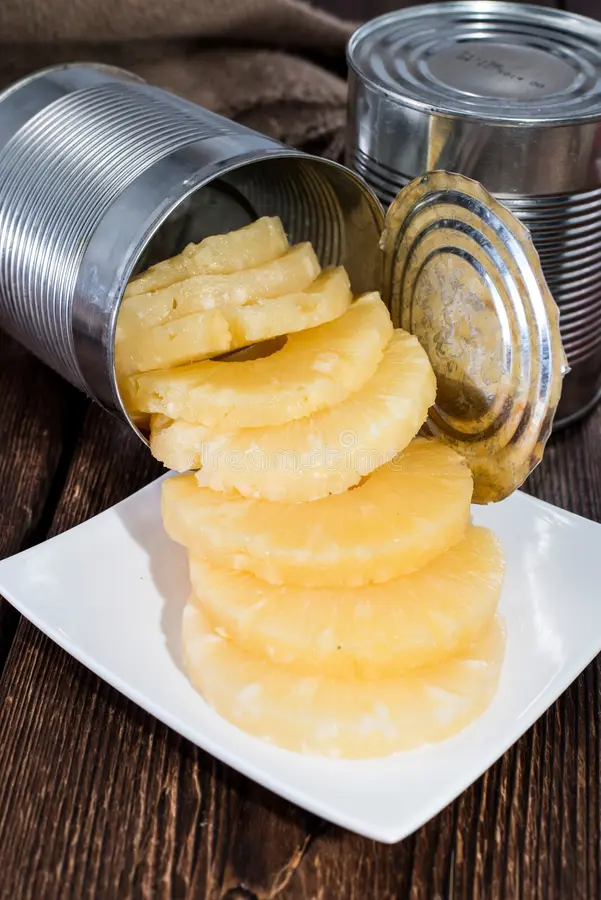
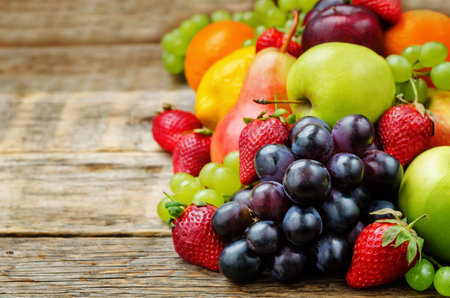
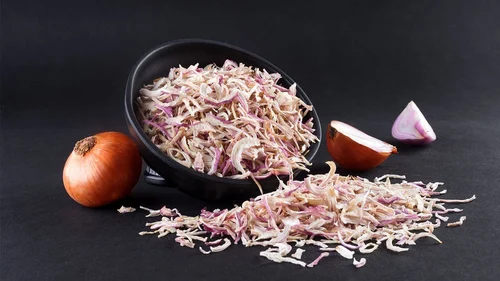
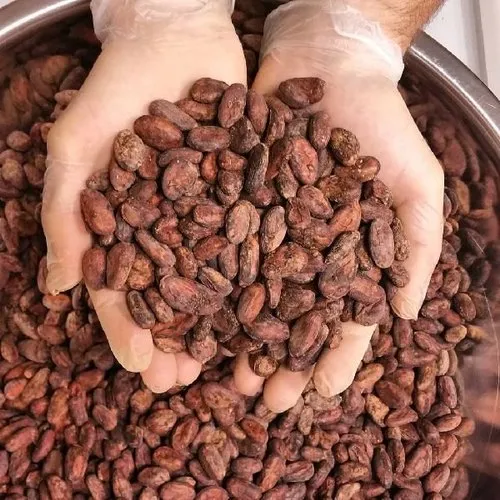
Raw Trade Ghana Limited operates out of Ghana and lists eight active products. The catalogue includes Fresh Pineapple, Fresh Puna Yam, Fresh Mango, Fresh Palm Oil, Fresh Papaya, Fresh Red Onion, Cocoa Beans and Ginger. These items cover the primary categories of tropical fruit, root vegetables, oil crops, bulb vegetables and cocoa beans. Each product is presented under the relevant HS‑code families used for customs classification, such as chapter 08 for fresh fruit, chapter 07 for onions, chapter 09 for ginger, chapter 15 for palm oil and chapter 18 for cocoa beans.
The supplier’s portfolio reflects Ghana’s agricultural export base, focusing on perishable commodities that require temperature‑controlled logistics. The eight products are listed without additional processing, indicating they are supplied as fresh or raw bulk goods. Buyers can expect standard export packaging formats that align with the HS chapters mentioned, facilitating smoother customs handling across destination markets. The company’s trust tier is recorded as “harbor,” which signals a moderate level of verification in the trade platform.
Product Range and Specialties of Raw Trade Ghana Limited
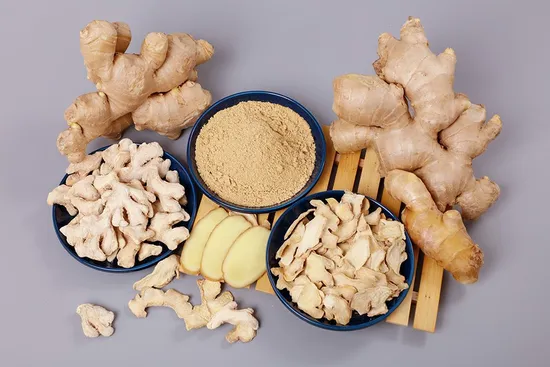
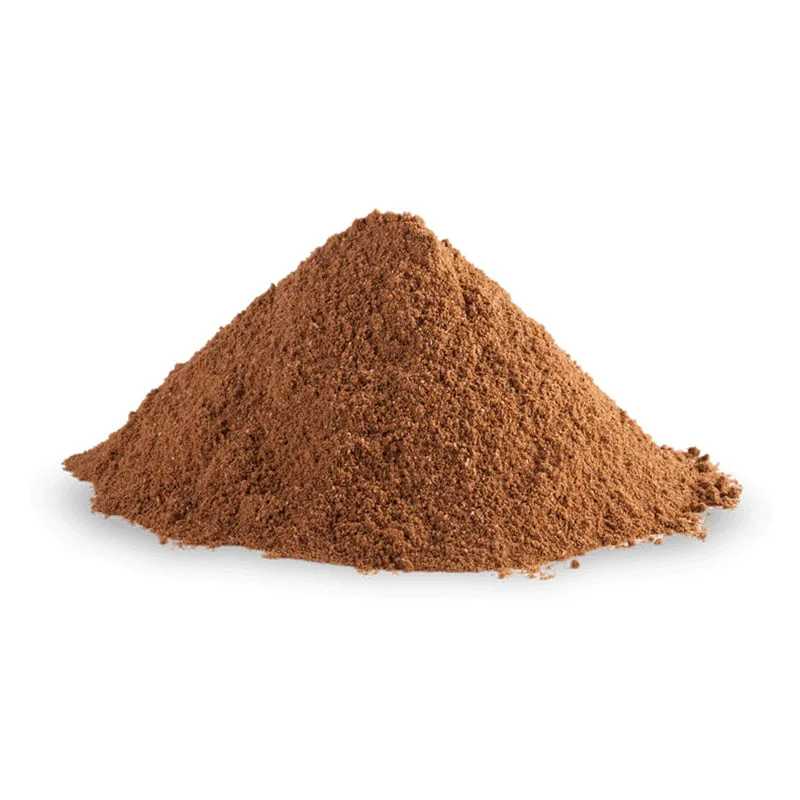
The product list comprises Fresh Pineapple (typically graded B or higher for size, sugar content and visual appearance), Fresh Puna Yam (root size 150‑250 mm, moisture 20‑22 %), Fresh Mango (often A or B grade, flesh firmness 5‑7 kg cm‑2, Brix ≥ 12), Fresh Papaya (grade A/B, skin colour yellow‑orange, Brix ≥ 10), Fresh Red Onion (size 40‑60 mm, moisture ≤ 10 %), Ginger (root length ≥ 50 mm, moisture ≤ 12 %) and raw Cocoa Beans (fermented, dried to ≤ 7 % moisture, size 12‑18 mm). Fresh Palm Oil is supplied as crude oil with free fatty acid < 0.1 % and iodine value around 50‑55. Typical export packaging includes 20 kg cardboard cartons for fruit and vegetables, 25 kg jute bags for palm oil and bulk 50 kg polypropylene bags for cocoa beans.
Industry standards for these categories often reference GlobalGAP for horticultural produce, ISO 22000/HACCP for food safety, and specific quality parameters such as Brix for fruit sweetness, moisture content for onions and ginger, and free‑fatty‑acid limits for palm oil. Buyers usually request certificates of analysis confirming these metrics before shipment.
Trade and Export Information - Raw Trade Ghana Limited
Ghana’s fresh produce and commodity exports are commonly shipped to the European Union, the Middle East, North Africa and parts of Asia where demand for tropical fruit, cocoa and palm oil is high. HS 080450 covers fresh pineapple, mango and papaya; HS 070310 applies to fresh onions; HS 0910 to ginger; HS 1511 to crude palm oil; and HS 1801 to cocoa beans. Importers typically require a phytosanitary certificate, a certificate of origin and, where applicable, GlobalGAP or ISO 22000 compliance. Reefers in 20‑ft or 40‑ft containers are standard for fruit, while bulk bags are used for palm oil and cocoa beans, often under FOB or CIF terms.
Export logistics from Ghana benefit from the country’s Atlantic ports, with most shipments cleared under standard customs procedures that reference the HS codes above. Buyers should verify that the supplier can provide the necessary pre‑shipment inspections and that packaging meets the target market’s temperature and humidity specifications to preserve product quality during transit.
Sourcing from Raw Trade Ghana Limited - Buyer Guidance
When sourcing from Raw Trade Ghana Limited, request a recent phytosanitary certificate and, if available, GlobalGAP or ISO 22000 audit reports to confirm food‑safety compliance. For fruit, ask for Brix readings (e.g., pineapple ≥ 12 °, mango ≥ 12 °) and visual grade photographs; for onions and ginger, verify moisture percentages below 10 % and 12 % respectively. Cocoa beans should be accompanied by a moisture analysis (≤ 7 %) and a description of fermentation status, while palm oil shipments should include free‑fatty‑acid levels (< 0.1 %) and iodine value data.
Confirm container type (reefers for perishable fruit, dry containers for bulk oil or beans) and ensure that the supplier can meet the typical lead time of 30‑45 days from order confirmation to shipment. Before placing a full order, obtain a small‑size sample for laboratory testing against the buyer’s specification sheet, and request a draft commercial invoice that lists the correct HS codes and Incoterms.
Frequently Asked Questions About Raw Trade Ghana Limited
What HS codes are used for the fresh fruit items you export?
Fresh Pineapple, Mango and Papaya are classified under HS 080450, while Fresh Puna Yam falls under HS 070190. These codes are standard for fresh tropical fruit in most destination markets.
Which food‑safety certifications should I request from Raw Trade Ghana Limited?
Buyers should request copies of any GlobalGAP or ISO 22000/HACCP certifications the supplier holds, as well as a phytosanitary certificate for each consignment. These documents are commonly required for EU and Gulf imports of fresh produce.
How are the fresh mangoes packaged for export?
Mangoes are typically packed in 20 kg ventilated cardboard cartons, stacked in 20‑ft reefers with temperature set between 10 °C and 13 °C. This packaging maintains firmness and prevents premature ripening during sea transit.
What are the minimum order quantities and typical lead times?
The supplier lists eight product lines but does not publish fixed MOQs; however, bulk shipments usually start at one 20‑ft container (≈ 10 t of fruit). Lead times from order confirmation to shipment are generally 30‑45 days, depending on harvest schedules.
How is the quality of the cocoa beans verified?
Cocoa beans are sampled for moisture content (≤ 7 %), bean size (12‑18 mm) and fermentation status. A certificate of analysis from an accredited lab should accompany each shipment.
What documentation is required for customs clearance in the EU?
Customs authorities typically require a commercial invoice, packing list, certificate of origin, phytosanitary certificate and any applicable food‑safety certificates. The correct HS code must be listed on the invoice for each product line.
Which markets does Raw Trade Ghana Limited primarily serve?
While the supplier does not list specific destinations, Ghanaian exporters of fresh fruit, onions and cocoa beans commonly ship to the EU, the United Kingdom, the United Arab Emirates and Asian markets such as Japan and South Korea.
How is fresh palm oil prepared for shipment?
Fresh (crude) palm oil is loaded into 25 kg food‑grade jute bags or 1 000 L steel drums, sealed to prevent oxidation. The product meets typical export standards of free‑fatty‑acid < 0.1 % and is shipped in dry containers under FOB or CIF terms.




 , Ghana