Agriculture›
 Apparel and fashion accessories›
 Construction & real estate›💡Electronic & Electrical›🍎Food & Beverages›🛋️Home furnishing & supplies›⚗️Industrial goods & chemical›🪨Minerals & metals›📦Miscellaneous›Agriculture›Apparel and fashion accessories›Construction & real estate›💡Electronic & Electrical›🍎Food & Beverages›🛋️Home furnishing & supplies›⚗️Industrial goods & chemical›🪨Minerals & metals›📦Miscellaneous›
Quanzhou Kaibs Intelligent Equipment Co., Ltd
⚓ Harbor , ChinaNew supplier / no reviews yet
Quanzhou Kaibs Intelligent Equipment Co., Ltd Product Catalog

About Quanzhou Kaibs Intelligent Equipment Co., Ltd - Remote Controls Supplier in China
China, Quanzhou hosts Quanzhou Kaibs Intelligent Equipment Co., Ltd, which currently lists five active products. The catalogue is organized under the Remote Controls and Agriculture categories, with the remote‑control line covering RF transmission modules and telephone‑based controllers. The company’s product portfolio is limited to electronic control hardware, and no additional categories are reported in the supplied data. All items fall under the broader HS‑code families for radio‑frequency equipment and electronic control devices, which are commonly classified under chapters 85 and 84 for customs purposes.
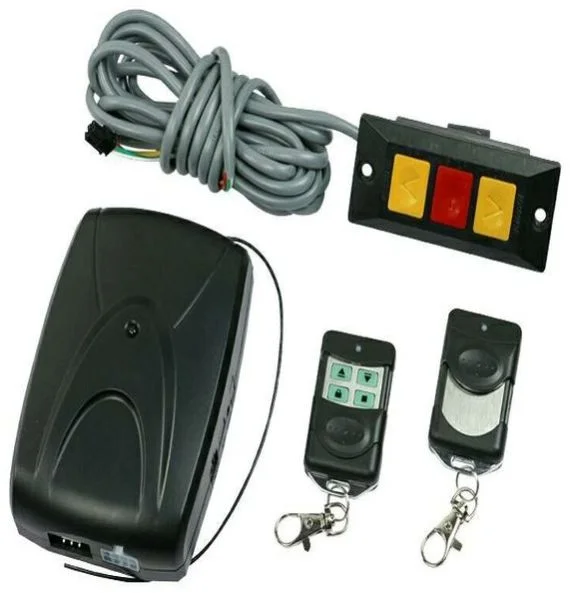
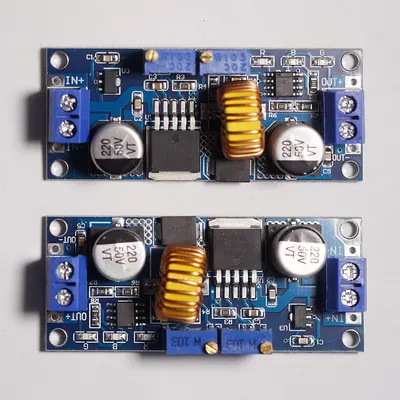
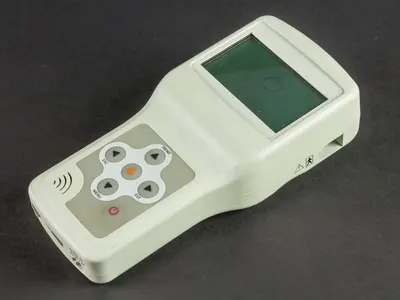
The listed items include an RF single‑way high‑power module, an RF outside receiver module, a Remote control duplicator, an RF signal enhancer, and a Telephone Remote Controller. Each product is described only by its functional name, without detailed technical specifications in the source data. The catalogue does not mention any certifications held by the supplier, so buyers should verify compliance with applicable standards before purchase.
Product Range and Specialties of Quanzhou Kaibs Intelligent Equipment Co., Ltd
The catalogue focuses on RF‑based remote‑control hardware: a high‑power transmission module, a receiver module for external antennas, a duplicator unit that copies control codes, a signal‑enhancement device, and a telephone‑interface controller. In the remote‑control market, such devices are typically built to operate on frequencies between 315 MHz and 433 MHz, with output powers ranging from 10 mW to 1 W for consumer applications and up to several watts for industrial use. Common industry grades include FCC Part 15 compliance for the United States, CE marking for the European Union, and IEC 61000 electromagnetic compatibility standards. Materials usually involve printed‑circuit boards with surface‑mount components, housed in ABS or polycarbonate enclosures rated for operating temperatures from - 20 °C to +70 °C.
Buyers of RF control modules often request data sheets that list carrier frequency, output power, modulation type (e.g., ASK or OOK), and antenna impedance. Typical specifications also cover voltage supply (3.3 V to 12 V DC), current consumption (10 mA to 200 mA), and environmental ratings such as IP20 or IP54 for dust and splash protection. The telephone remote controller generally integrates a DTMF decoder and may follow ITU‑E standards for tone signaling.
Frequently Asked Questions About Quanzhou Kaibs Intelligent Equipment Co., Ltd
What types of remote‑control products does Quanzhou Kaibs list in its catalogue?
The catalogue includes an RF single‑way high‑power transmission module, an RF outside receiver module, a Remote control duplicator, an RF signal enhancer, and a Telephone Remote Controller, all classified under remote‑control electronics.
Which HS‑code categories are most relevant for these products?
These items typically fall under HS chapter 85, specifically codes 8526.91 for radio receivers and 8527.99 for other radio transmitters, which are used for customs classification of RF equipment.
What certifications should a buyer request for these RF modules?
Buyers should ask for FCC Part 15 compliance reports for the United States, CE marking documentation for the European Union, and a RoHS compliance statement to ensure restricted substances limits are met.
Is a sample available before placing a bulk order?
A pre‑production sample can be requested to verify frequency, power output, connector type, and firmware compatibility. Sample lead time is usually 7‑14 days after order confirmation.
What are typical minimum order quantities and lead times?
Minimum order quantities generally range from 500 to 1,000 units per model, with standard production lead times of 30‑45 days once the sample is approved and the purchase order is confirmed.
ChinaRelated Suppliers & Products
Explore similar suppliers, related products and trending categories