Agriculture›
 Apparel and fashion accessories›
 Construction & real estate›💡Electronic & Electrical›🍎Food & Beverages›🛋️Home furnishing & supplies›⚗️Industrial goods & chemical›🪨Minerals & metals›📦Miscellaneous›Agriculture›Apparel and fashion accessories›Construction & real estate›💡Electronic & Electrical›🍎Food & Beverages›🛋️Home furnishing & supplies›⚗️Industrial goods & chemical›🪨Minerals & metals›📦Miscellaneous›
Qoptum Private Limited Product Catalog


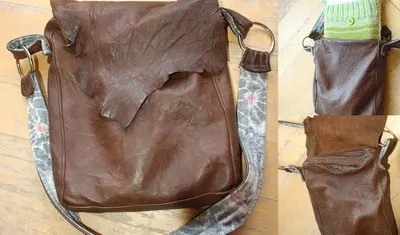

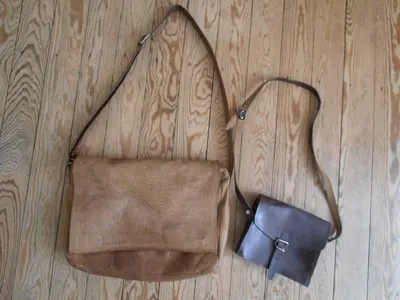
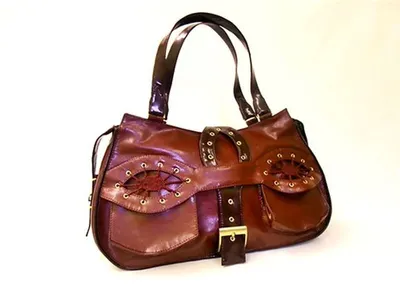
About Qoptum Private Limited - Leather Bags Supplier in India
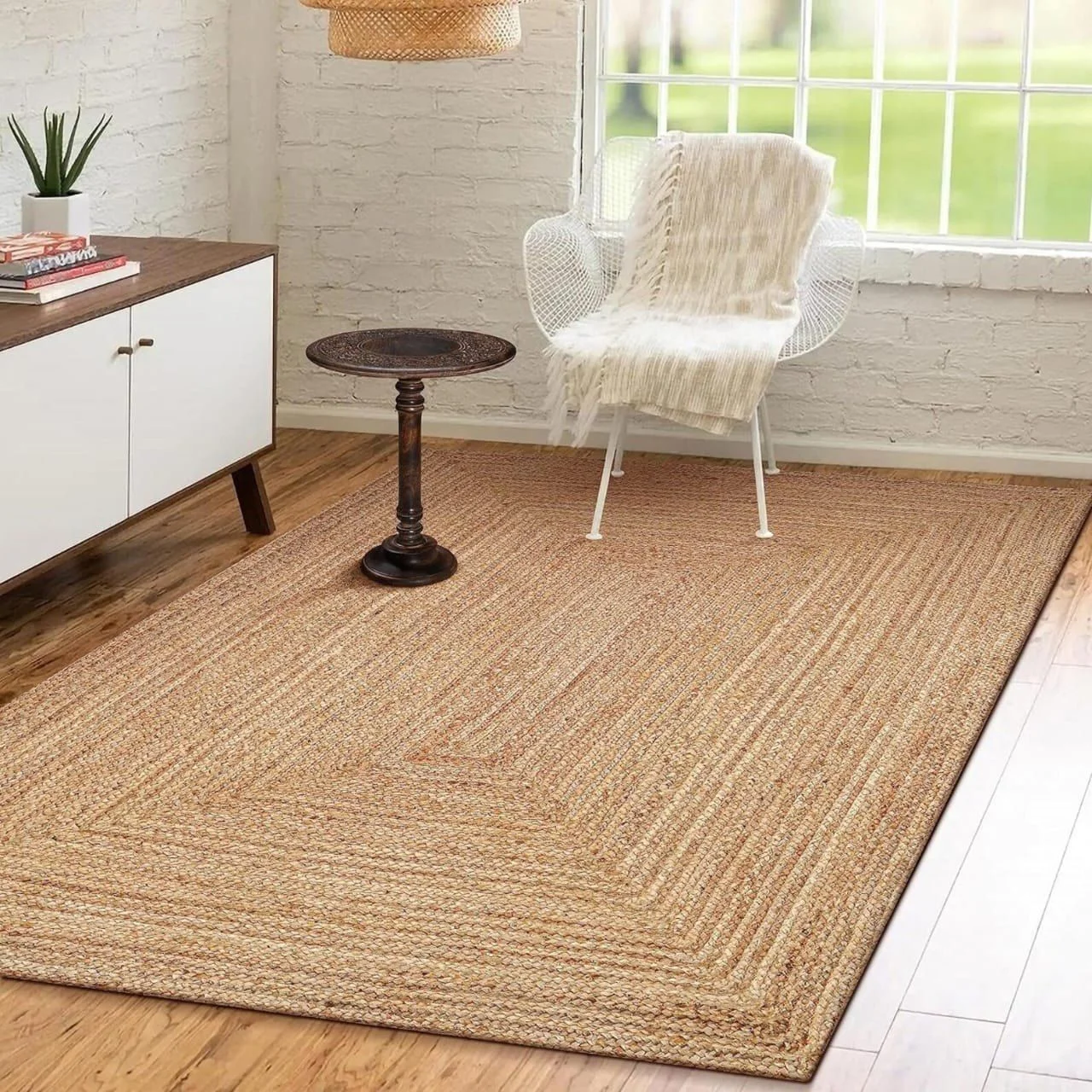
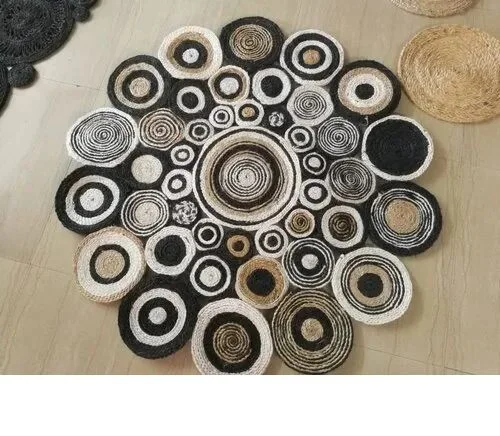
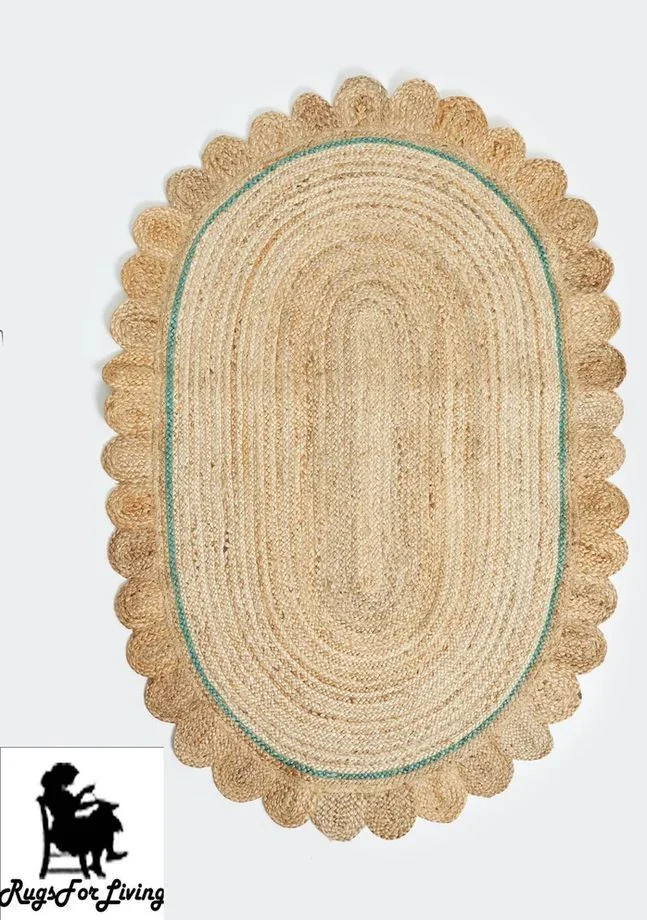
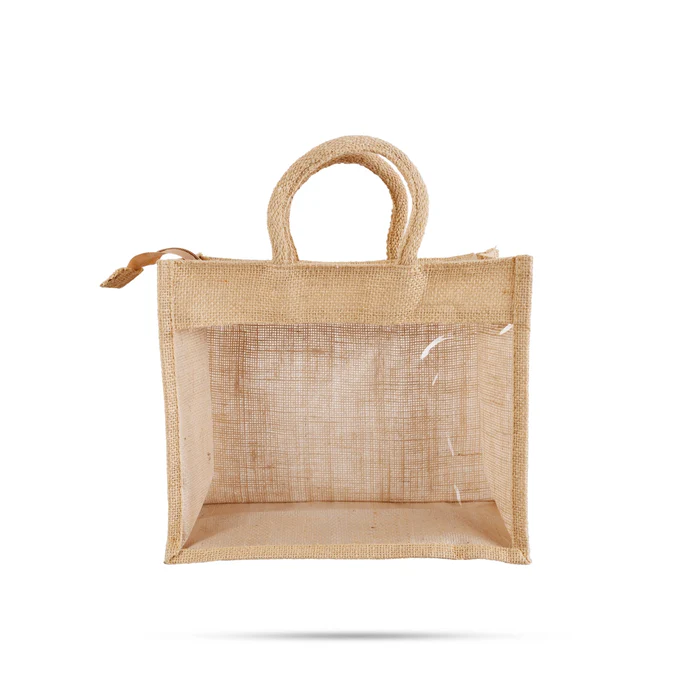
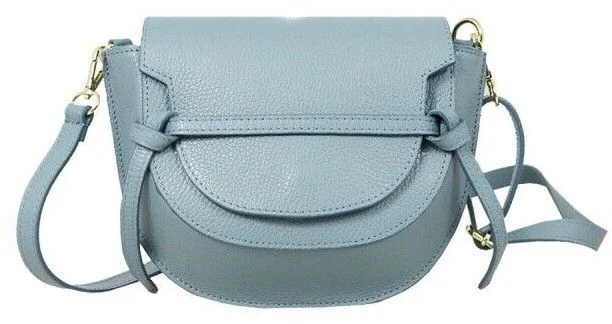
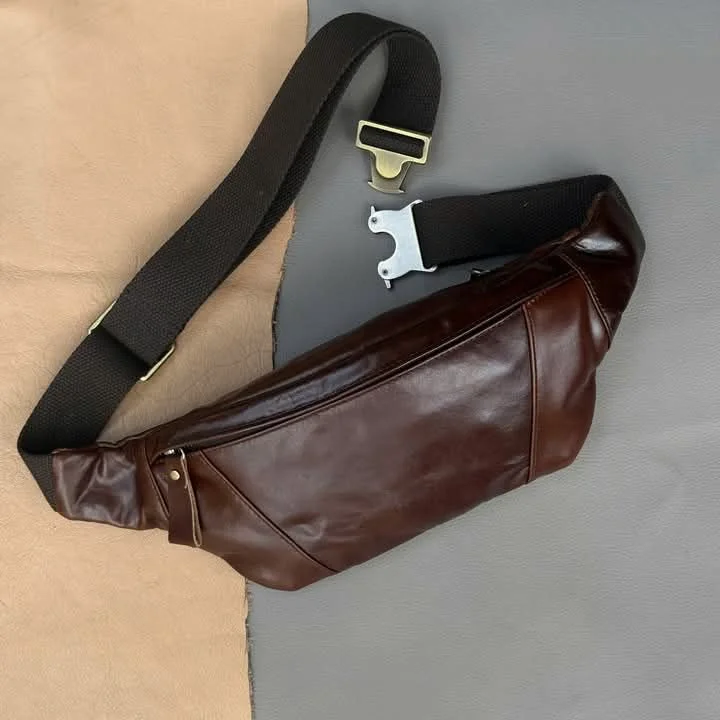
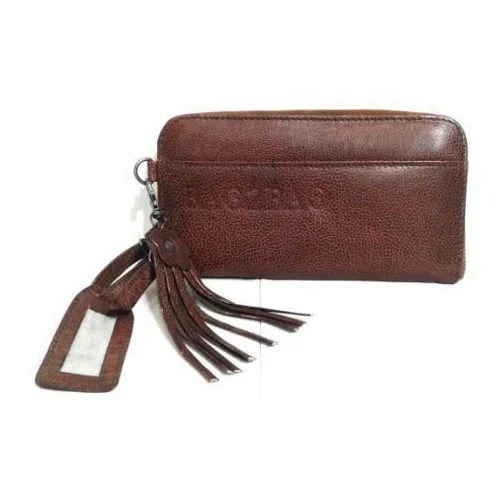
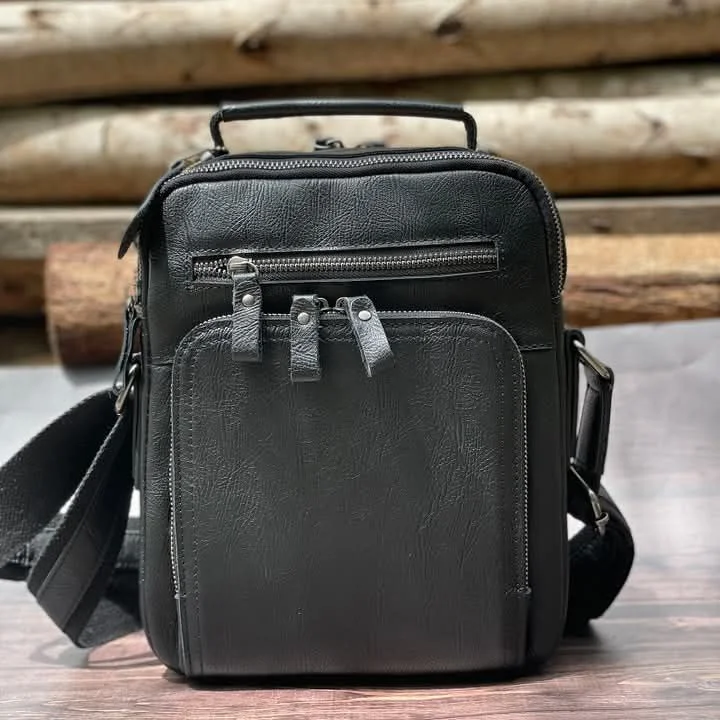
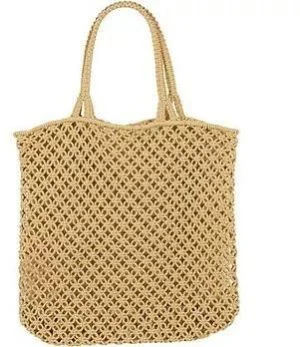
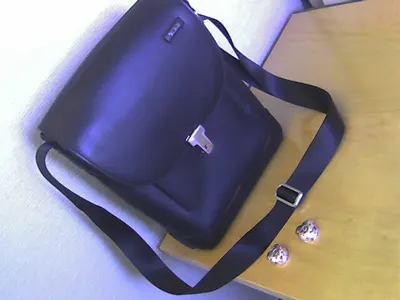
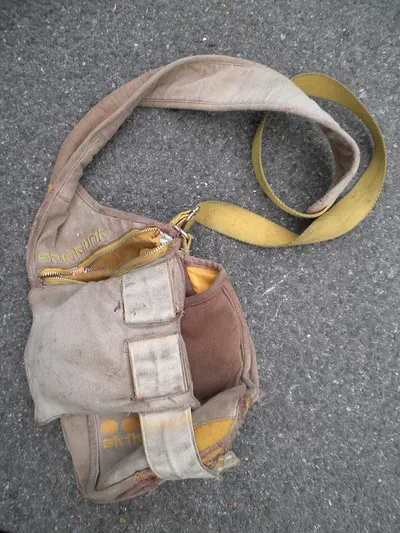
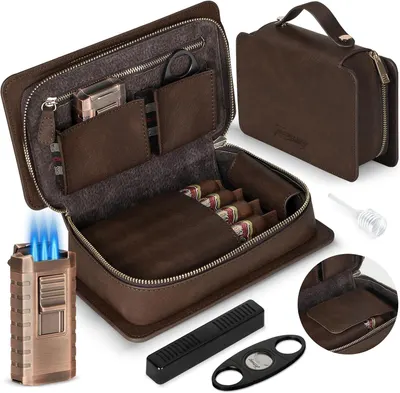
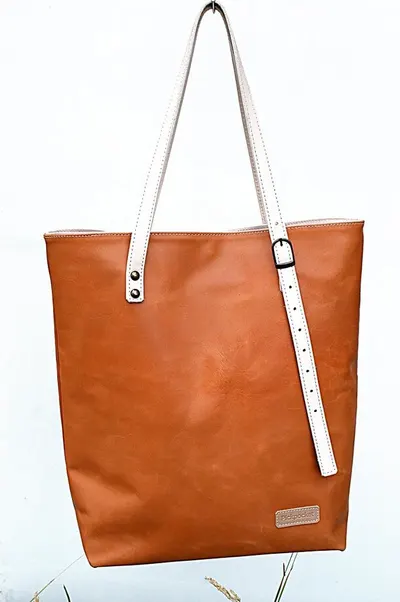
Qoptum Private Limited is based in India and lists 78 active products across several home‑decor and accessories categories. The catalogue includes items such as leather cushion covers, various handcrafted bags, bamboo stools, wooden chess sets, and a range of jute and cotton rugs. Product listings fall under categories like Leather Bags, Jute Rugs, Shoulder Bags, Backpacks, Handbags, Cushion Covers, Rugs and Carpets. Each item is described by its material composition, for example leather, bamboo, jute, cotton or wood, and is identified with the appropriate HS‑code family for the material (e.g., HS chapter 42 for leather goods, chapter 63 for textiles, chapter 44 for wood products). The supplier’s active product count of 78 reflects a diversified portfolio within these material groups.
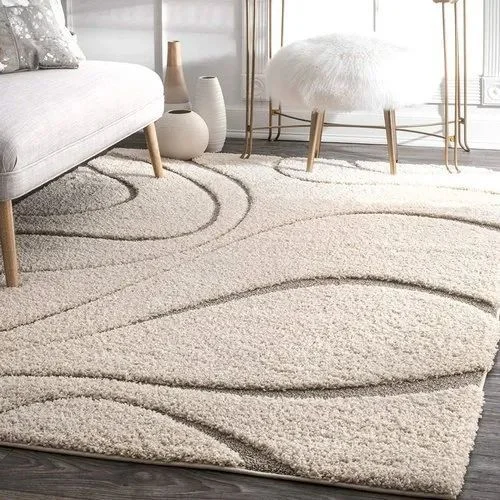
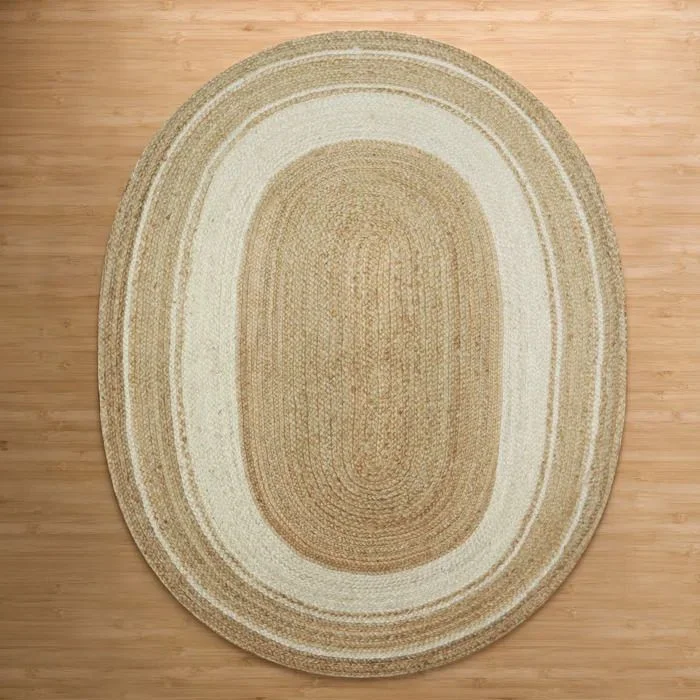
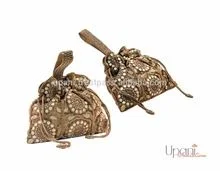
The supplier’s inventory contains multiple sub‑types, such as drawstring potli bags, embroidered clutches, metallic wall‑hanging décor, and various sizes of jute rugs ranging from small area mats to larger rectangular carpets. The product list also includes polyester decorative shaggy carpet, digital print window curtains, and reversible quilts, each classified under the relevant HS chapters for synthetic textiles (chapter 39) or cotton blends (chapter 52). No additional company history, revenue or employee figures are provided beyond the product count and category focus.
Product Range and Specialties of Qoptum Private Limited
Qoptum Private Limited’s catalogue spans leather accessories, handcrafted bags, bamboo seating, wooden game sets and a broad selection of jute and cotton textiles such as rugs, carpets and cushion covers. In the leather segment, buyers typically look for full‑grain or top‑grain leather with thickness between 0.9‑1.2 mm and colour‑fast finishes; jute rugs are commonly graded A‑B with a weight of 200‑350 g/m² and reinforced edge stitching; cotton textiles are measured by thread count (e.g., 200‑300 TC) and GSM 250‑400 for durability. Synthetic polyester items like the decorative shaggy carpet usually meet ISO 9001 quality management and have a pile height of 5‑10 mm. These industry standards help buyers compare the supplier’s items against typical market specifications.
Frequently Asked Questions About Qoptum Private Limited
What product categories does Qoptum Private Limited offer?
The supplier lists items in leather accessories, handcrafted bags, bamboo furniture, wooden games, and a variety of jute and cotton textiles including rugs, carpets and cushion covers.
Which HS‑code families apply to the listed products?
Leather goods fall under HS chapter 42, wooden items under chapter 44, jute and cotton textiles under chapters 63 and 52 respectively, and synthetic polyester products under chapter 39.
What typical quality specifications should a buyer verify for jute rugs?
Buyers usually check the jute fibre grade (e.g., grade A or B), rug weight between 200‑350 g/m², edge stitching strength, and compliance with fire‑safety standards such as EN 13501‑1.
Are certifications required for the leather accessories?
Importers often request leather‑related certifications such as ISO 9001 for quality management, and may ask for a leather‑tanning chemical compliance certificate (e.g., REACH or RoHS) to confirm absence of hazardous substances.
What documentation is standard for wooden products like the chess board?
Standard documents include a phytosanitary certificate, FSC or PEFC sustainability declaration, and a product specification sheet indicating wood type, dimensions and finish.
 India
Related Suppliers & Products
Explore similar suppliers, related products and trending categories