PT Svarga Agro Indonesia — Verified Supplier
About PT Svarga Agro Indonesia - Desiccated Coconut Supplier in Indonesia
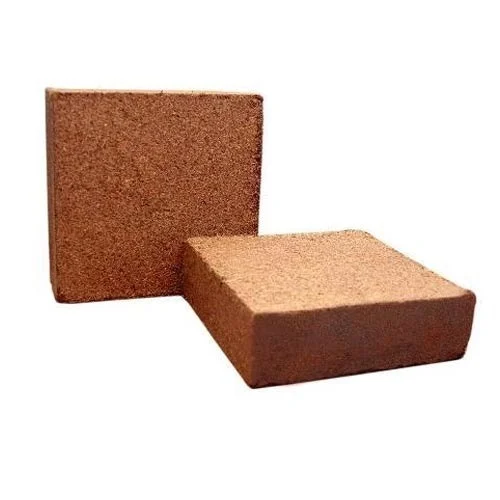
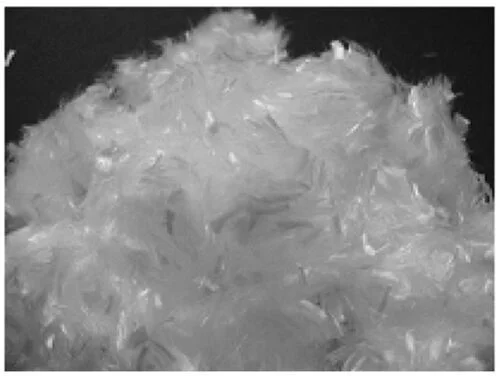
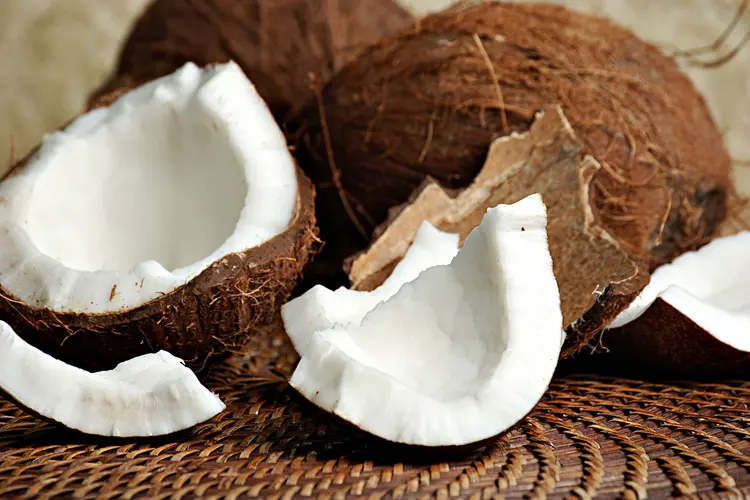
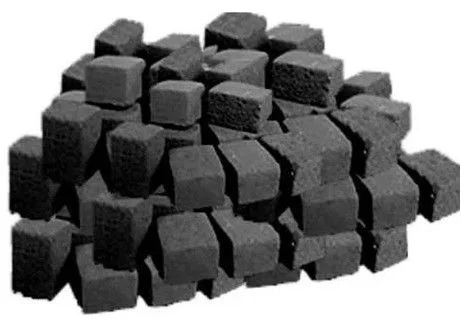
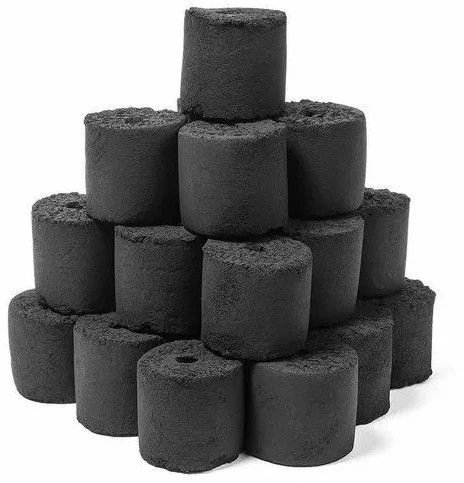
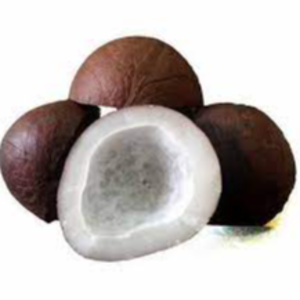
Indonesia, home to PT Svarga Agro Indonesia, lists eleven active products across coconut‑derived goods and live mud crab. The catalogue includes low‑fat desiccated coconut and high‑fat desiccated coconut, organic coconut sugar, coconut water, coconut milk/cream, two types of charcoal briquettes (shisha‑grade and hexagonal barbecue), coco peat, coco fiber (recorded under HS 5305.21 as coconut fiber/coir), coco chip and live mud crab. Each product is identified by its conventional commodity name and aligns with the HS chapters used for coconut and charcoal trade.
The desiccated coconut items fall under HS chapter 0804, while coconut water and coconut milk are classified in HS 2009. Charcoal products are recorded under HS 1201, and coir fibre under HS 5305.21 as shown. The live mud crab is treated under HS 0306 for crustaceans. The supplier’s portfolio therefore spans multiple HS families commonly encountered in tropical agricultural export.
Product Range and Specialties of PT Svarga Agro Indonesia
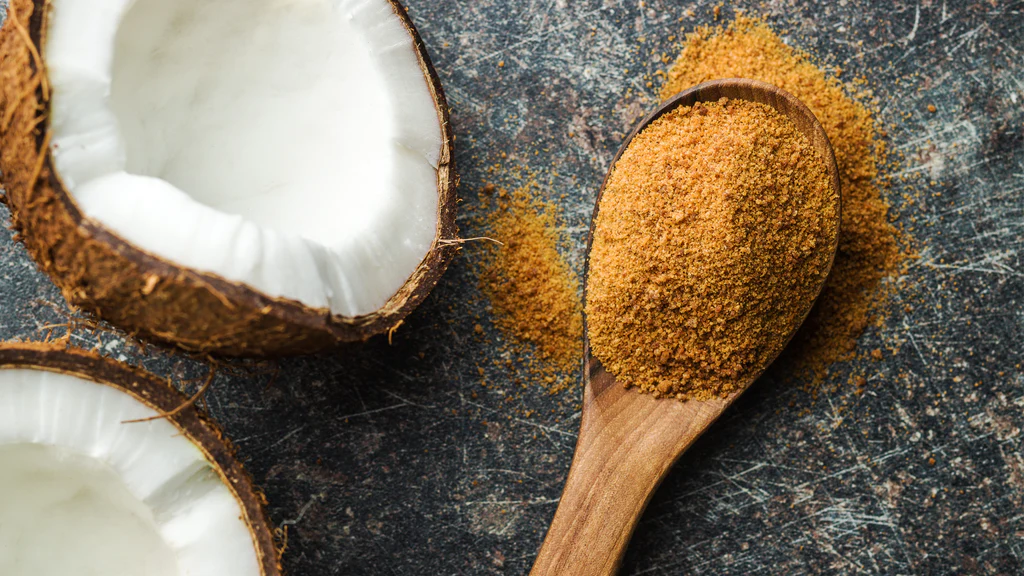
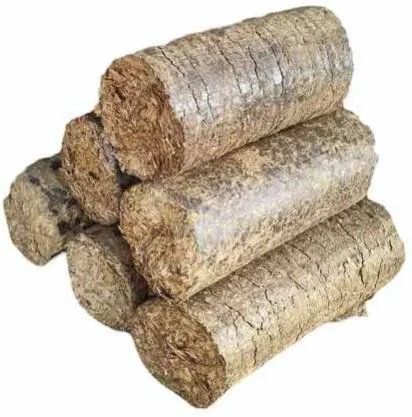
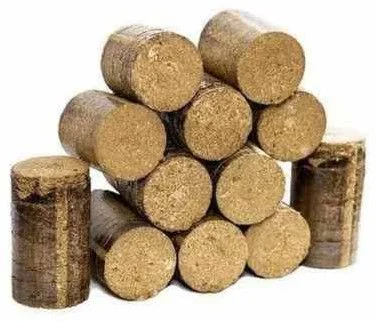
The listed catalogue covers low‑fat desiccated coconut (fat ≤ 5 %, moisture ≤ 5 %), high‑fat desiccated coconut (fat ≥ 50 %), organic coconut sugar (often ICUMSA 45‑70 grade), coconut water with Brix 4‑8 % and natural pH 5‑6, and coconut milk/cream with fat content 15‑20 %. The two charcoal briquettes are sized for shisha (≈ 30 mm × 12 mm) and barbecue (hexagonal, ≈ 40 mm × 15 mm) and typically meet a carbon content ≥ 80 % and ash ≤ 5 %. Coco peat is supplied with moisture 30‑40 % and pH 5‑6.5, while coco fibre (HS 5305.21) is graded by length 50‑100 mm and bulk density 0.12‑0.18 t/m³. Live mud crab is offered as whole, active specimens, commonly sized 300‑500 g each.
Trade and Export Information - PT Svarga Agro Indonesia
Indonesia is a major exporter of coconut products to the European Union, United States, China and Middle‑Eastern markets. Desiccated coconut (HS 0804) is shipped in 20‑ft or 40‑ft containers on export‑grade plywood pallets, often vacuum‑sealed in multilayer bags of 20‑25 kg. Coconut water and milk are usually packed in food‑grade PET or Tetra Pak cartons, complying with HACCP and ISO 22000 food‑safety standards. Charcoal briquettes (HS 1201) are exported to hospitality and tobacco‑related industries, typically in bulk bags of 1 ton, with a requirement for carbon‑content test certificates and low‑ash analysis. Coir fibre and coco peat (HS 5305) are supplied to horticultural and geotechnical sectors; buyers often request phytosanitary certificates and compliance with ISPM 15 for wood‑palletized shipments. Live mud crab (HS 0306) is subject to strict sanitary and veterinary certification, and shipments are usually chilled in insulated containers with a minimum of 48 hours transit time to preserve freshness.
Sourcing from PT Svarga Agro Indonesia - Buyer Guidance
When sourcing from PT Svarga Agro Indonesia, request a product data sheet that includes moisture, fat, Brix, pH and particle‑size specifications for each coconut item, and carbon‑content/ash results for charcoal. For coir fibre and coco peat, ask for bulk density, length distribution and moisture‑content test reports; a phytosanitary certificate is standard for horticultural imports. Live mud crab buyers should obtain a veterinary health certificate, a zero‑tolerance report for prohibited pathogens, and confirm that the crabs are shipped in temperature‑controlled containers at 0‑4 °C. Verify that any organic coconut sugar carries an accredited organic certification (e.g., EU‑EUROPEAN ORGANIC) before placing a bulk order.
Frequently Asked Questions About PT Svarga Agro Indonesia
What coconut products does PT Svarga Agro Indonesia list in its catalogue?
The catalogue includes low‑fat and high‑fat desiccated coconut, organic coconut sugar, coconut water, coconut milk/cream, two types of charcoal briquettes, coco peat, coco fibre (HS 5305.21) and coco chip.
Is a HS code provided for any of the products?
Yes, coco fibre is listed with HS 5305.21 and identified as coconut fiber (coir). Other products fall under standard HS chapters such as 0804 for desiccated coconut and 1201 for charcoal.
What certifications should a buyer request for the coconut sugar?
Buyers should request an organic certification document (e.g., EU‑organic or USDA‑organic) and a food‑safety audit report such as ISO 22000 or HACCP.
What are the typical packaging formats for the charcoal briquettes?
Shisha‑grade briquettes are usually packed in 20 kg paper bags, while hexagonal barbecue briquettes are shipped in 25 kg bulk bags, both placed on export‑grade pallets for container loading.
What documentation is required for importing live mud crab?
A veterinary health certificate, a phytosanitary certificate and a temperature‑controlled shipment plan are standard requirements for live crustacean imports.
What are common minimum order quantities (MOQ) for desiccated coconut?
Exporters often set an MOQ of one 20‑ft container, roughly 12‑14 metric tons, but smaller bulk‑bag orders can be negotiated depending on the buyer’s logistics.
Which markets typically import Indonesian coir fibre?
Coir fibre from Indonesia is commonly shipped to horticultural growers in the United States, Europe and Southeast Asia, where it is used for potting mixes, erosion control and geotextiles.




 , Indonesia