PT. Bintang Mandiri Bermitra — Supplier

About PT. Bintang Mandiri Bermitra - Beans Supplier in Indonesia

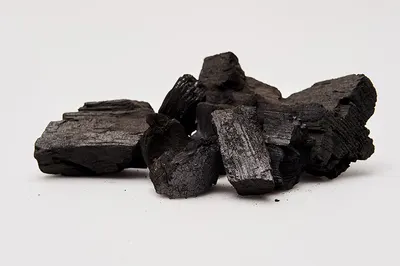
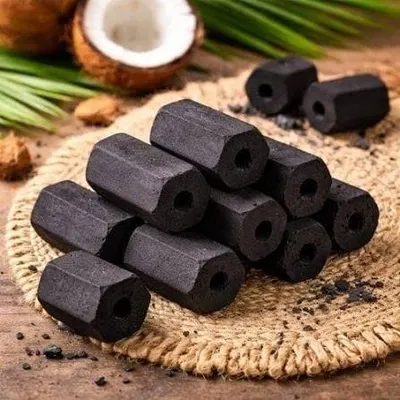
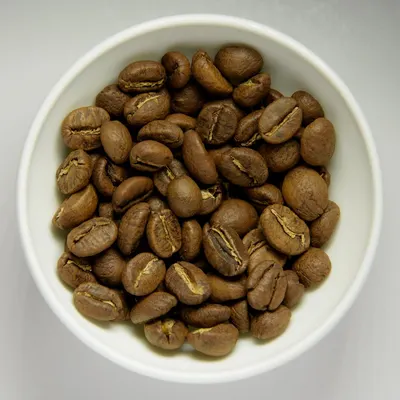
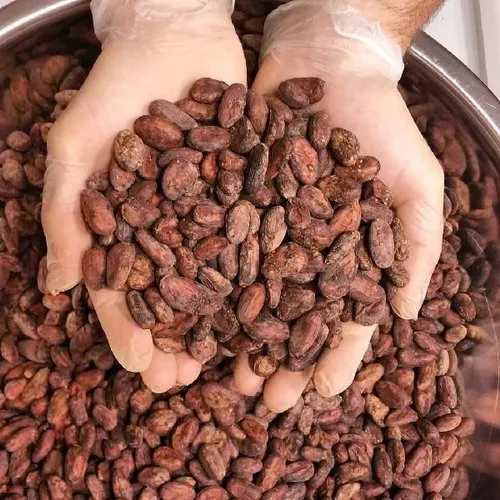
Indonesia is the source country for PT. Bintang Mandiri Bermitra, which currently lists six active products in its catalogue. The portfolio includes two coffee bean types - Roasted Bean and Green Bean - identified under HS codes 0901.21 and 0901.11 respectively. Both products are derived from Coffea arabica and Coffea canephora varieties and are commonly traded as bulk commodities. In addition, the supplier offers wood‑derived charcoal products, a grass‑based straw, and two briquette forms made from coconut and Halaban wood. The catalogue does not provide HS codes for the latter four items, but they fall within typical HS chapters for charcoal and agricultural residues.

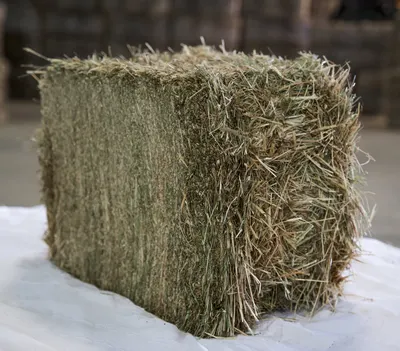
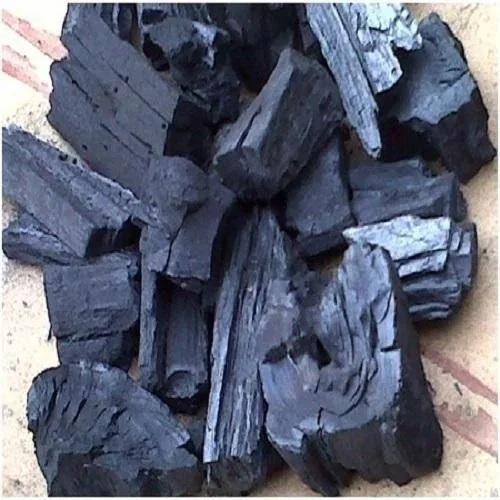
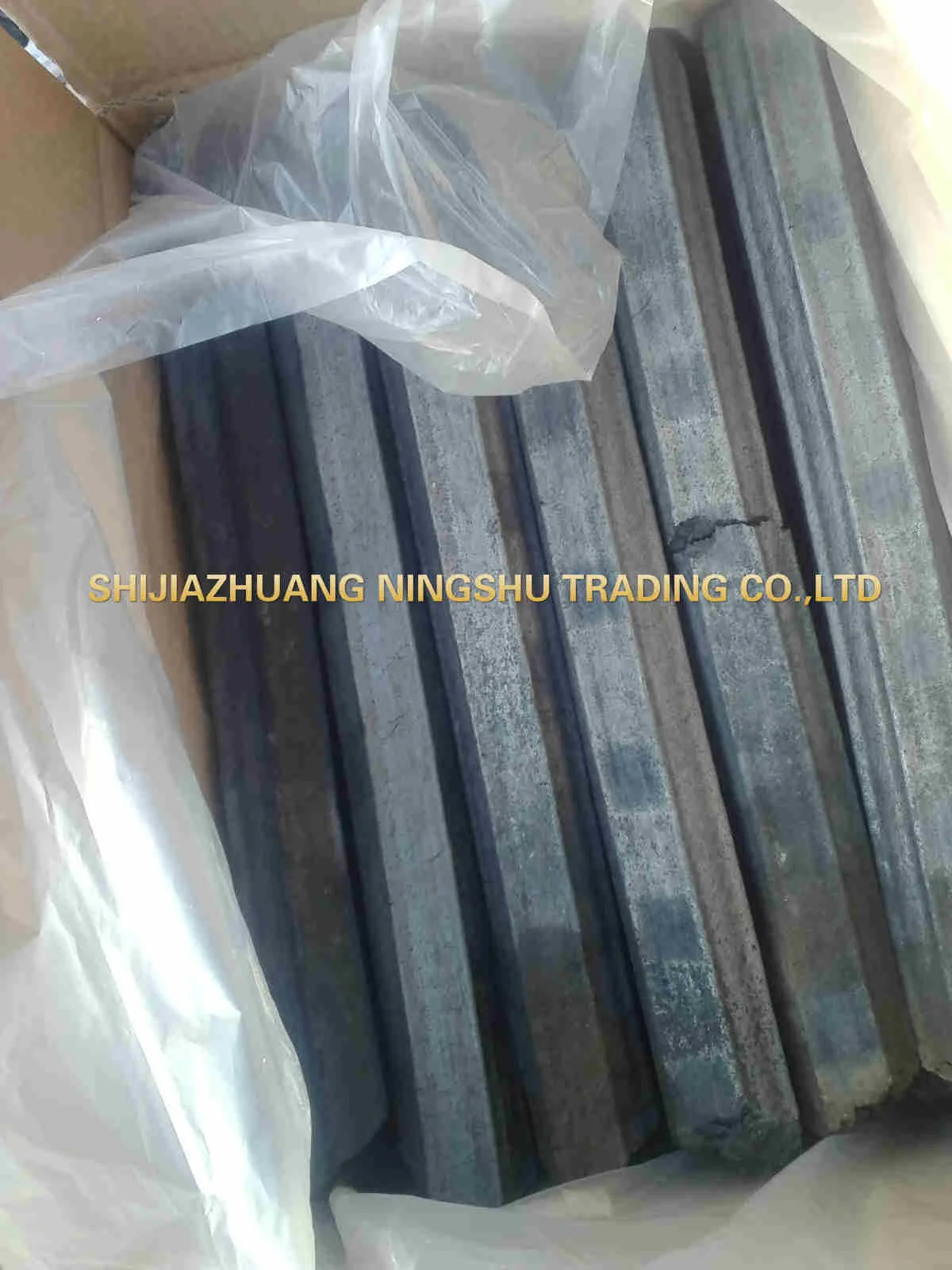
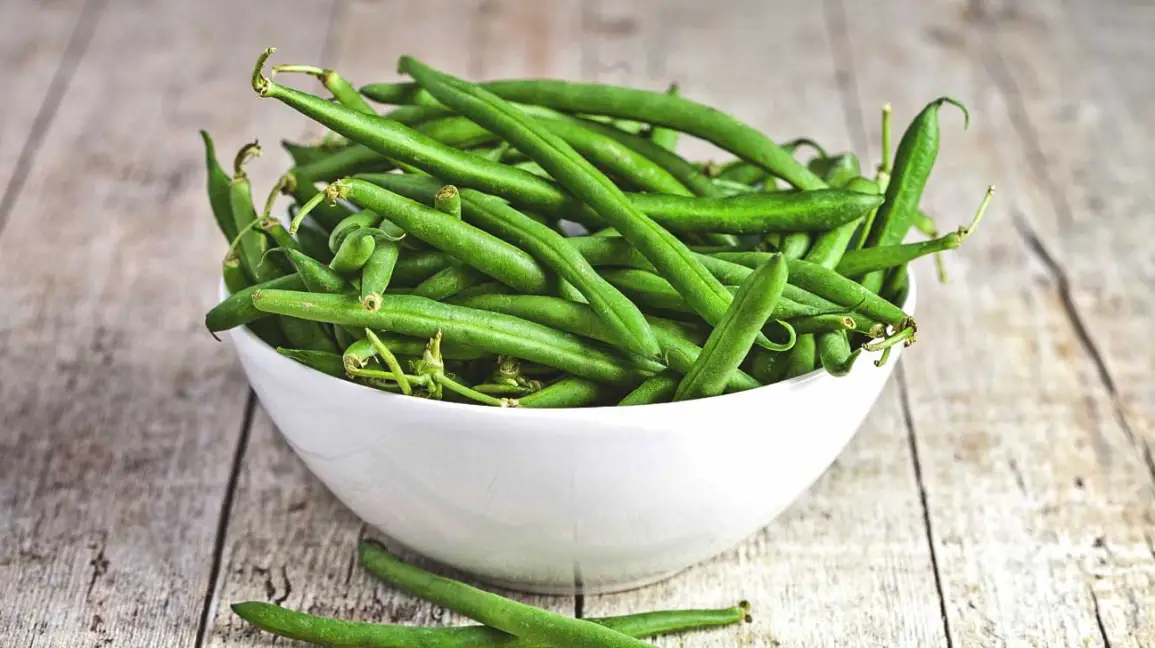
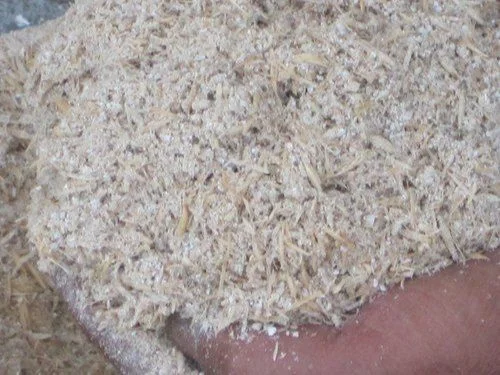
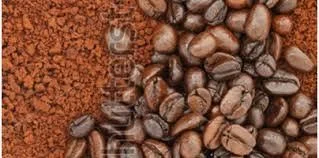
The Roasted Bean entry refers to processed coffee beans ready for brewing, while the Green Bean entry denotes unroasted Robusta beans used for further roasting or industrial extraction. Wood Charcoal is presented as a generic product, often measured by calorific value and ash content in trade. Grass Straw, likely an agricultural residue, is typically exported for animal bedding or bio‑fuel applications. Coconut Briquette and Halaban Charcoal are forms of compressed biomass used for domestic heating or industrial kilns, usually supplied in 20 ft or 40 ft containers. All six items together illustrate the supplier’s focus on agricultural and biomass commodities.

Product Range and Specialties of PT. Bintang Mandiri Bermitra

PT. Bintang Mandiri Bermitra’s catalogue comprises Roasted Bean (0901.21), Green Bean (0901.11), Wood Charcoal, Grass Straw, Coconut Briquette and Halaban Charcoal. The coffee entries cover both roasted and green Arabica/Robusta beans, which are standard export commodities from Indonesia. Wood Charcoal is generally produced from hardwood and traded based on bulk weight and calorific rating. Grass Straw represents dried grass residues that can be packed in bale or bulk form. The two briquette products are compressed forms of coconut shell and Halaban wood, respectively, and are commonly shipped in 1‑ton bags or bulk containers.

International buyers of roasted coffee beans usually require a moisture content below 12 % and a screen size of 12 - 16 mm, with specialty grades such as “Specialty Arabica” or “Robusta Grade 1” referenced by cup score. Green Robusta beans are often classified by ICUMSA whiteness values (e.g., ICUMSA 45 - 55) and require a moisture level under 13 %. For hardwood charcoal, trade specifications frequently cite a calorific value of 26 - 30 MJ kg⁻¹ and an ash content not exceeding 6 %. Briquettes are evaluated by bulk density (400 - 550 kg m⁻³), compressive strength (≥ 5 MPa), and a moisture limit of 8 % to ensure stable combustion. Grass straw used for bedding or bio‑fuel typically carries a moisture content of 10 - 15 % and may be bound by phytosanitary clearance.

Trade and Export Information - PT. Bintang Mandiri Bermitra

Indonesia ranks among the world’s largest exporters of coffee beans, with the majority of shipments directed to the European Union, the United States and Japan. The HS 0901 series used for the supplier’s roasted and green beans is subject to standard customs duties and may require a phytosanitary certificate for entry into most markets. Wood‑based charcoal and briquette products are classified under HS 4401 and HS 4403 respectively, and are commonly imported by countries in Southeast Asia, the Middle East and Africa for industrial heating and power generation. Grass straw, falling under HS 1211, is often shipped to livestock‑intensive regions for bedding or feedstock. Indonesian exporters typically handle these commodities in 20 ft or 40 ft containers, using jute or polypropylene bags for coffee and bulk pallets for charcoal and briquettes.

Buyers usually request ISO 22000 or FSSC 22000 certification for roasted coffee, and a Certificate of Origin to verify Indonesian provenance. For charcoal and briquette products, FSC certification of the source wood and a calorific value test report are standard documentation. Packaging norms include 60 kg jute bags for coffee beans, sealed polypropylene bags for briquettes, and bulk pallets wrapped in stretch film for wood charcoal. Incoterms such as FOB Jakarta or CIF Dubai are frequently employed, with freight forwarders handling container loading and customs clearance. Compliance with the Indonesian Ministry of Trade export licensing procedures is required for all six product lines.

Sourcing from PT. Bintang Mandiri Bermitra - Buyer Guidance

Importers sourcing coffee beans from PT. Bintang Mandiri Bermitra should request a recent laboratory analysis confirming moisture level, caffeine content and any residual pesticide limits, as these parameters are routinely checked by EU and US regulators. A phytosanitary certificate and a certificate of origin must be obtained before shipment to satisfy customs requirements in most destination countries. For charcoal and briquette orders, buyers should ask for a calorific value test, ash content measurement and, where applicable, an FSC chain‑of‑custody statement to verify sustainable sourcing. Verifying the packing list against the HS codes (0901.21, 0901.11, 4401, 4403) helps prevent misclassification charges. Prior to finalizing volume, requesting a sample batch and reviewing the supplier’s export documentation can confirm product conformity with the buyer’s specifications.

Typical minimum order quantities for roasted coffee range from 10 MT, while green beans may be ordered in 5 MT increments; charcoal and briquette orders often start at a single 20 ft container (approximately 15 MT). Lead times in Indonesia are generally 30 - 45 days from order confirmation, subject to export licensing and port congestion. Buyers should ensure that the supplier can provide the required test reports in English and that the packaging meets the destination country’s moisture and pest‑free standards. When shipping by sea, selecting a reputable freight forwarder familiar with HS 0901 and HS 4401 handling reduces the risk of delays. Continuous communication regarding batch specifications and documentation will streamline customs clearance upon arrival.

Frequently Asked Questions About PT. Bintang Mandiri Bermitra

What coffee bean varieties does PT. Bintang Mandiri Bermitra offer and under which HS codes?

The supplier lists Roasted Bean (HS 0901.21) derived from Coffea arabica or Coffea canephora, and Green Bean (HS 0901.11) which is unroasted Robusta (Coffea canephora).

How can I verify the quality of the roasted coffee beans?

Request a recent lab report showing moisture content below 12 %, a cup score or specialty grade, and confirmation that pesticide residues meet the limits of the importing country. These documents are standard for coffee import compliance.

What documentation is required for importing the wood charcoal products?

Buyers should ask for a calorific value test (typically 26 - 30 MJ kg⁻¹), ash content analysis (< 6 %), an FSC or equivalent sustainable‑source certificate, and any phytosanitary or export health certificate required by the destination market.

In what packaging are the coconut briquette and Halaban charcoal shipped?

Both briquette types are commonly packed in 1‑ton polypropylene bags or bulk pallets, sealed to protect moisture, and loaded into 20 ft or 40 ft containers for sea freight.

What are the typical minimum order quantities and lead times for the supplier’s products?

Minimum orders generally start at 10 metric tonnes for roasted coffee, 5 metric tonnes for green beans, and a single 20 ft container (≈ 15 MT) for charcoal or briquette products. Lead times are usually 30 - 45 days from order confirmation.

Which HS code applies to the grass straw product and what are its usual end‑uses?

Grass straw falls under HS 1211 and is typically exported as dried agricultural residue for animal bedding, bio‑fuel or compost, usually shipped in bulk bales or wrapped pallets.

What Incoterms does PT. Bintang Mandiri Bermitra commonly use for its shipments?

The supplier commonly offers FOB Jakarta for buyers who prefer to arrange freight, as well as CIF to ports such as Dubai or Rotterdam for those who want freight and insurance included.


Featured Products from this Supplier

Other Suppliers in Primary Category

Top Trusted Suppliers

Related Products

Trending in Parent Category

More Suppliers in Category

Related Products

Other Suppliers

EximNext
7.2K+ live requirements
Register Free🎁 Reach global buyers
Post Requirement
🌍 Trusted by 225K+ businesses in 200+ countries|
7.2K+ active requirements right now
✉️ [email protected]
|
Sell on EximNextPost Requirement
EximNext
AgricultureApparelConstructionElectronicFoodHomeIndustrialMineralsMiscellaneous
🔥 Deals|✨ AI Match|🏭 Suppliers|📋 Buy Leads|💰 Trade Finance
7.2K+ live RFQs·194.8K+ suppliers
🎁 Reach global buyers →
EximNext
EximNext
Register Free
🎁 Reach global buyers
Sign In
📋Post Requirement💬Get Quotes✨AI Match📋RFQ Marketplace
All Categories
Services & Tools
🏭Supplier Directory🔥Today's Deals💰Trade Finance
Sell on EximNext →
AboutContactBlogHelp
Agriculture & Food  ·  Indonesia
6
products listed

PT. Bintang Mandiri Bermitra

⚓ Harbor
Country flag , IndonesiaNew supplier / no reviews yet
🛡️
54/100
Trust Score

PT. Bintang Mandiri Bermitra Product Catalog

Showing 6 of 6 products
View all products →
Halaban Charcoal
⚓ Harbor
Halaban Charcoal
Contact
MOQ: 1 Unit
Coconut Briquette
⚓ Harbor
Coconut Briquette
Contact
MOQ: 1 Unit
Wood Charcoal
⚓ Harbor
Wood Charcoal
Contact
MOQ: 1 Unit
Grass Straw
⚓ Harbor
Grass Straw
Contact
MOQ: 1 Unit
Green Bean
⚓ Harbor
Green Bean
Contact
MOQ: 1 Unit
Roasted Bean
⚓ Harbor
Roasted Bean
Contact
MOQ: 1 Unit

About PT. Bintang Mandiri Bermitra - Beans Supplier in Indonesia

Indonesia is the source country for PT. Bintang Mandiri Bermitra, which currently lists six active products in its catalogue. The portfolio includes two coffee bean types - Roasted Bean and Green Bean - identified under HS codes 0901.21 and 0901.11 respectively. Both products are derived from Coffea arabica and Coffea canephora varieties and are commonly traded as bulk commodities. In addition, the supplier offers wood‑derived charcoal products, a grass‑based straw, and two briquette forms made from coconut and Halaban wood. The catalogue does not provide HS codes for the latter four items, but they fall within typical HS chapters for charcoal and agricultural residues.

The Roasted Bean entry refers to processed coffee beans ready for brewing, while the Green Bean entry denotes unroasted Robusta beans used for further roasting or industrial extraction. Wood Charcoal is presented as a generic product, often measured by calorific value and ash content in trade. Grass Straw, likely an agricultural residue, is typically exported for animal bedding or bio‑fuel applications. Coconut Briquette and Halaban Charcoal are forms of compressed biomass used for domestic heating or industrial kilns, usually supplied in 20 ft or 40 ft containers. All six items together illustrate the supplier’s focus on agricultural and biomass commodities.

Product Range and Specialties of PT. Bintang Mandiri Bermitra

PT. Bintang Mandiri Bermitra’s catalogue comprises Roasted Bean (0901.21), Green Bean (0901.11), Wood Charcoal, Grass Straw, Coconut Briquette and Halaban Charcoal. The coffee entries cover both roasted and green Arabica/Robusta beans, which are standard export commodities from Indonesia. Wood Charcoal is generally produced from hardwood and traded based on bulk weight and calorific rating. Grass Straw represents dried grass residues that can be packed in bale or bulk form. The two briquette products are compressed forms of coconut shell and Halaban wood, respectively, and are commonly shipped in 1‑ton bags or bulk containers.

International buyers of roasted coffee beans usually require a moisture content below 12 % and a screen size of 12 - 16 mm, with specialty grades such as “Specialty Arabica” or “Robusta Grade 1” referenced by cup score. Green Robusta beans are often classified by ICUMSA whiteness values (e.g., ICUMSA 45 - 55) and require a moisture level under 13 %. For hardwood charcoal, trade specifications frequently cite a calorific value of 26 - 30 MJ kg⁻¹ and an ash content not exceeding 6 %. Briquettes are evaluated by bulk density (400 - 550 kg m⁻³), compressive strength (≥ 5 MPa), and a moisture limit of 8 % to ensure stable combustion. Grass straw used for bedding or bio‑fuel typically carries a moisture content of 10 - 15 % and may be bound by phytosanitary clearance.

Trade and Export Information - PT. Bintang Mandiri Bermitra

Indonesia ranks among the world’s largest exporters of coffee beans, with the majority of shipments directed to the European Union, the United States and Japan. The HS 0901 series used for the supplier’s roasted and green beans is subject to standard customs duties and may require a phytosanitary certificate for entry into most markets. Wood‑based charcoal and briquette products are classified under HS 4401 and HS 4403 respectively, and are commonly imported by countries in Southeast Asia, the Middle East and Africa for industrial heating and power generation. Grass straw, falling under HS 1211, is often shipped to livestock‑intensive regions for bedding or feedstock. Indonesian exporters typically handle these commodities in 20 ft or 40 ft containers, using jute or polypropylene bags for coffee and bulk pallets for charcoal and briquettes.

Buyers usually request ISO 22000 or FSSC 22000 certification for roasted coffee, and a Certificate of Origin to verify Indonesian provenance. For charcoal and briquette products, FSC certification of the source wood and a calorific value test report are standard documentation. Packaging norms include 60 kg jute bags for coffee beans, sealed polypropylene bags for briquettes, and bulk pallets wrapped in stretch film for wood charcoal. Incoterms such as FOB Jakarta or CIF Dubai are frequently employed, with freight forwarders handling container loading and customs clearance. Compliance with the Indonesian Ministry of Trade export licensing procedures is required for all six product lines.

Sourcing from PT. Bintang Mandiri Bermitra - Buyer Guidance

Importers sourcing coffee beans from PT. Bintang Mandiri Bermitra should request a recent laboratory analysis confirming moisture level, caffeine content and any residual pesticide limits, as these parameters are routinely checked by EU and US regulators. A phytosanitary certificate and a certificate of origin must be obtained before shipment to satisfy customs requirements in most destination countries. For charcoal and briquette orders, buyers should ask for a calorific value test, ash content measurement and, where applicable, an FSC chain‑of‑custody statement to verify sustainable sourcing. Verifying the packing list against the HS codes (0901.21, 0901.11, 4401, 4403) helps prevent misclassification charges. Prior to finalizing volume, requesting a sample batch and reviewing the supplier’s export documentation can confirm product conformity with the buyer’s specifications.

Typical minimum order quantities for roasted coffee range from 10 MT, while green beans may be ordered in 5 MT increments; charcoal and briquette orders often start at a single 20 ft container (approximately 15 MT). Lead times in Indonesia are generally 30 - 45 days from order confirmation, subject to export licensing and port congestion. Buyers should ensure that the supplier can provide the required test reports in English and that the packaging meets the destination country’s moisture and pest‑free standards. When shipping by sea, selecting a reputable freight forwarder familiar with HS 0901 and HS 4401 handling reduces the risk of delays. Continuous communication regarding batch specifications and documentation will streamline customs clearance upon arrival.

Frequently Asked Questions About PT. Bintang Mandiri Bermitra

What coffee bean varieties does PT. Bintang Mandiri Bermitra offer and under which HS codes?

The supplier lists Roasted Bean (HS 0901.21) derived from Coffea arabica or Coffea canephora, and Green Bean (HS 0901.11) which is unroasted Robusta (Coffea canephora).

How can I verify the quality of the roasted coffee beans?

Request a recent lab report showing moisture content below 12 %, a cup score or specialty grade, and confirmation that pesticide residues meet the limits of the importing country. These documents are standard for coffee import compliance.

What documentation is required for importing the wood charcoal products?

Buyers should ask for a calorific value test (typically 26 - 30 MJ kg⁻¹), ash content analysis (< 6 %), an FSC or equivalent sustainable‑source certificate, and any phytosanitary or export health certificate required by the destination market.

In what packaging are the coconut briquette and Halaban charcoal shipped?

Both briquette types are commonly packed in 1‑ton polypropylene bags or bulk pallets, sealed to protect moisture, and loaded into 20 ft or 40 ft containers for sea freight.

What are the typical minimum order quantities and lead times for the supplier’s products?

Minimum orders generally start at 10 metric tonnes for roasted coffee, 5 metric tonnes for green beans, and a single 20 ft container (≈ 15 MT) for charcoal or briquette products. Lead times are usually 30 - 45 days from order confirmation.

Which HS code applies to the grass straw product and what are its usual end‑uses?

Grass straw falls under HS 1211 and is typically exported as dried agricultural residue for animal bedding, bio‑fuel or compost, usually shipped in bulk bales or wrapped pallets.

What Incoterms does PT. Bintang Mandiri Bermitra commonly use for its shipments?

The supplier commonly offers FOB Jakarta for buyers who prefer to arrange freight, as well as CIF to ports such as Dubai or Rotterdam for those who want freight and insurance included.

About PT. Bintang Mandiri Bermitra - Beans Supplier in Indonesia

Indonesia is the source country for PT. Bintang Mandiri Bermitra, which currently lists six active products in its catalogue. The portfolio includes two coffee bean types - Roasted Bean and Green Bean - identified under HS codes 0901.21 and 0901.11 respectively. Both products are derived from Coffea arabica and Coffea canephora varieties and are commonly traded as bulk commodities. In addition, the supplier offers wood‑derived charcoal products, a grass‑based straw, and two briquette forms made from coconut and Halaban wood. The catalogue does not provide HS codes for the latter four items, but they fall within typical HS chapters for charcoal and agricultural residues.

The Roasted Bean entry refers to processed coffee beans ready for brewing, while the Green Bean entry denotes unroasted Robusta beans used for further roasting or industrial extraction. Wood Charcoal is presented as a generic product, often measured by calorific value and ash content in trade. Grass Straw, likely an agricultural residue, is typically exported for animal bedding or bio‑fuel applications. Coconut Briquette and Halaban Charcoal are forms of compressed biomass used for domestic heating or industrial kilns, usually supplied in 20 ft or 40 ft containers. All six items together illustrate the supplier’s focus on agricultural and biomass commodities.

Product Range and Specialties of PT. Bintang Mandiri Bermitra

PT. Bintang Mandiri Bermitra’s catalogue comprises Roasted Bean (0901.21), Green Bean (0901.11), Wood Charcoal, Grass Straw, Coconut Briquette and Halaban Charcoal. The coffee entries cover both roasted and green Arabica/Robusta beans, which are standard export commodities from Indonesia. Wood Charcoal is generally produced from hardwood and traded based on bulk weight and calorific rating. Grass Straw represents dried grass residues that can be packed in bale or bulk form. The two briquette products are compressed forms of coconut shell and Halaban wood, respectively, and are commonly shipped in 1‑ton bags or bulk containers.

International buyers of roasted coffee beans usually require a moisture content below 12 % and a screen size of 12 - 16 mm, with specialty grades such as “Specialty Arabica” or “Robusta Grade 1” referenced by cup score. Green Robusta beans are often classified by ICUMSA whiteness values (e.g., ICUMSA 45 - 55) and require a moisture level under 13 %. For hardwood charcoal, trade specifications frequently cite a calorific value of 26 - 30 MJ kg⁻¹ and an ash content not exceeding 6 %. Briquettes are evaluated by bulk density (400 - 550 kg m⁻³), compressive strength (≥ 5 MPa), and a moisture limit of 8 % to ensure stable combustion. Grass straw used for bedding or bio‑fuel typically carries a moisture content of 10 - 15 % and may be bound by phytosanitary clearance.

Trade and Export Information - PT. Bintang Mandiri Bermitra

Indonesia ranks among the world’s largest exporters of coffee beans, with the majority of shipments directed to the European Union, the United States and Japan. The HS 0901 series used for the supplier’s roasted and green beans is subject to standard customs duties and may require a phytosanitary certificate for entry into most markets. Wood‑based charcoal and briquette products are classified under HS 4401 and HS 4403 respectively, and are commonly imported by countries in Southeast Asia, the Middle East and Africa for industrial heating and power generation. Grass straw, falling under HS 1211, is often shipped to livestock‑intensive regions for bedding or feedstock. Indonesian exporters typically handle these commodities in 20 ft or 40 ft containers, using jute or polypropylene bags for coffee and bulk pallets for charcoal and briquettes.

Buyers usually request ISO 22000 or FSSC 22000 certification for roasted coffee, and a Certificate of Origin to verify Indonesian provenance. For charcoal and briquette products, FSC certification of the source wood and a calorific value test report are standard documentation. Packaging norms include 60 kg jute bags for coffee beans, sealed polypropylene bags for briquettes, and bulk pallets wrapped in stretch film for wood charcoal. Incoterms such as FOB Jakarta or CIF Dubai are frequently employed, with freight forwarders handling container loading and customs clearance. Compliance with the Indonesian Ministry of Trade export licensing procedures is required for all six product lines.

Sourcing from PT. Bintang Mandiri Bermitra - Buyer Guidance

Importers sourcing coffee beans from PT. Bintang Mandiri Bermitra should request a recent laboratory analysis confirming moisture level, caffeine content and any residual pesticide limits, as these parameters are routinely checked by EU and US regulators. A phytosanitary certificate and a certificate of origin must be obtained before shipment to satisfy customs requirements in most destination countries. For charcoal and briquette orders, buyers should ask for a calorific value test, ash content measurement and, where applicable, an FSC chain‑of‑custody statement to verify sustainable sourcing. Verifying the packing list against the HS codes (0901.21, 0901.11, 4401, 4403) helps prevent misclassification charges. Prior to finalizing volume, requesting a sample batch and reviewing the supplier’s export documentation can confirm product conformity with the buyer’s specifications.

Typical minimum order quantities for roasted coffee range from 10 MT, while green beans may be ordered in 5 MT increments; charcoal and briquette orders often start at a single 20 ft container (approximately 15 MT). Lead times in Indonesia are generally 30 - 45 days from order confirmation, subject to export licensing and port congestion. Buyers should ensure that the supplier can provide the required test reports in English and that the packaging meets the destination country’s moisture and pest‑free standards. When shipping by sea, selecting a reputable freight forwarder familiar with HS 0901 and HS 4401 handling reduces the risk of delays. Continuous communication regarding batch specifications and documentation will streamline customs clearance upon arrival.

Frequently Asked Questions About PT. Bintang Mandiri Bermitra
What coffee bean varieties does PT. Bintang Mandiri Bermitra offer and under which HS codes?
The supplier lists Roasted Bean (HS 0901.21) derived from Coffea arabica or Coffea canephora, and Green Bean (HS 0901.11) which is unroasted Robusta (Coffea canephora).
How can I verify the quality of the roasted coffee beans?
Request a recent lab report showing moisture content below 12 %, a cup score or specialty grade, and confirmation that pesticide residues meet the limits of the importing country. These documents are standard for coffee import compliance.
What documentation is required for importing the wood charcoal products?
Buyers should ask for a calorific value test (typically 26 - 30 MJ kg⁻¹), ash content analysis (< 6 %), an FSC or equivalent sustainable‑source certificate, and any phytosanitary or export health certificate required by the destination market.
In what packaging are the coconut briquette and Halaban charcoal shipped?
Both briquette types are commonly packed in 1‑ton polypropylene bags or bulk pallets, sealed to protect moisture, and loaded into 20 ft or 40 ft containers for sea freight.
What are the typical minimum order quantities and lead times for the supplier’s products?
Minimum orders generally start at 10 metric tonnes for roasted coffee, 5 metric tonnes for green beans, and a single 20 ft container (≈ 15 MT) for charcoal or briquette products. Lead times are usually 30 - 45 days from order confirmation.
Which HS code applies to the grass straw product and what are its usual end‑uses?
Grass straw falls under HS 1211 and is typically exported as dried agricultural residue for animal bedding, bio‑fuel or compost, usually shipped in bulk bales or wrapped pallets.
What Incoterms does PT. Bintang Mandiri Bermitra commonly use for its shipments?
The supplier commonly offers FOB Jakarta for buyers who prefer to arrange freight, as well as CIF to ports such as Dubai or Rotterdam for those who want freight and insurance included.

PT. Bintang Mandiri Bermitra
Country flag Indonesia
⚓ HarborAgriculture & Food
54/100
Trust Score
6
Products
✓ Free to contact — no commission
✓ Escrow payment available
✓ Verified business identity
Compare more suppliers
Post a requirement — get 10 quotes free
Let verified suppliers compete for your business. Free, fast, no commitment.
Due Diligence
Verify this supplier's real shipping history.
Every shipment, every buyer, every port. Trade data that can't be faked.
Run due diligence →
Discover More

Related Suppliers & Products

Explore similar suppliers, related products and trending categories

Featured Products from this Supplier

Other Suppliers in Primary Category

Top Trusted Suppliers

Related Products

Trending in Parent Category

More Suppliers in Category

Stay ahead in global trade
Weekly market insights & new supplier alerts.
EximNext
Exim Next is a leading global B2B marketplace, connecting over 220,000 registered suppliers and buyers across 200+ countries. As a trusted import export marketplace, it serves as the essential B2B portal for businesses worldwide, empowering them to expand their international reach. With Exim Next, businesses can trade smarter and grow faster.
SECURE PAYMENTS
VISAMastercardPayPalSWIFTL/CEscrow
Follow us
© 2026 EximNext