Prior Protector Technology Co., Ltd. — Supplier
About Prior Protector Technology Co., Ltd. - Industrial Safety Shoes Supplier in China
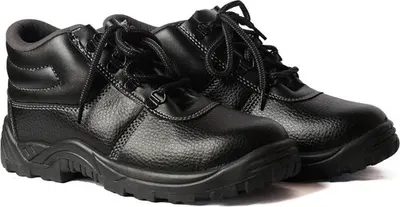
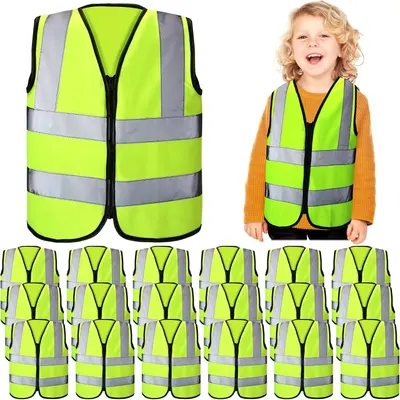
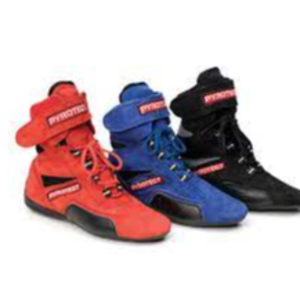
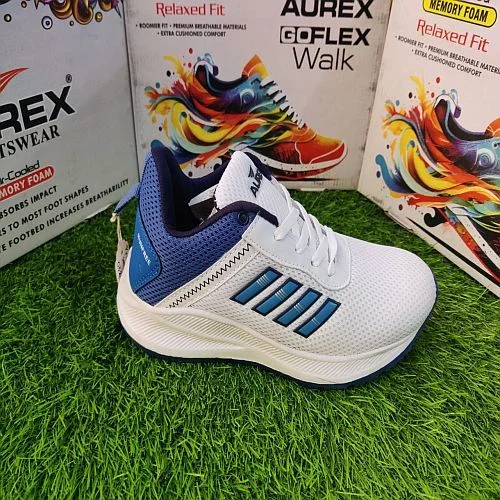
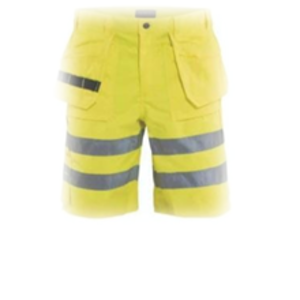
China‑based Prior Protector Technology Co., Ltd. lists ten active products. The catalogue is organized under the categories Industrial Safety Shoes, Leather Jackets, and Shoes (Personal). The product list includes models such as Safety shoes 1832, Safety shoes 1905, Safety shoes 9200, Safety Shoes 6502k, Safety shoes 709Plus, Safety shoes 1701, Safety shoes G210, and Nurse Shoes S070. In addition, the supplier offers two reflective vest models, V301 and V302, aimed at high‑visibility applications. No other product types are indicated in the supplied data.
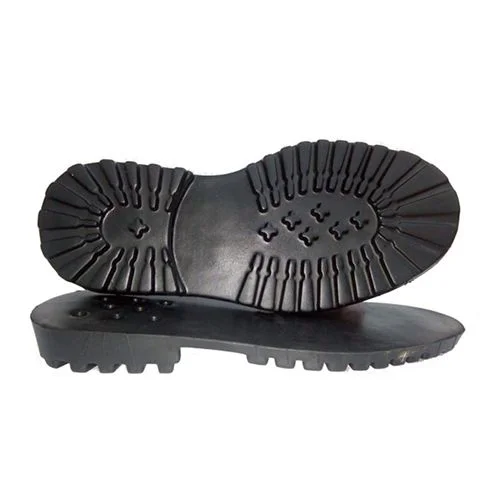
The industrial safety shoes are intended for workplace hazard protection and typically incorporate features such as steel or composite toe caps, slip‑resistant outsoles, and puncture‑resistant midsoles. The reflective vests are manufactured with high‑visibility tape or yarn to meet visibility standards for low‑light environments. The safety shoe models cover variations like anti‑static soles, oil‑resistant outsoles and waterproof uppers, while the vests provide Class 2 visibility according to common high‑visibility standards. The ten‑product count reflects a focused offering rather than a broad apparel line. The supplier does not list additional accessories or footwear components.
Product Range and Specialties of Prior Protector Technology Co., Ltd.
The catalogue comprises eight safety‑shoe models - Safety shoes 1832, 1905, 9200, 6502k, 709Plus, 1701, G210 and the Nurse Shoes S070 - and two high‑visibility vests (V301 and V302). In the industry, safety footwear of this type is commonly graded to ISO 20345 Grade 1 or ASTM F2413‑15 Level 1, providing steel‑toe or composite‑toe protection, slip resistance (SRA), and electrical hazard rating (EH). Materials typically include full‑grain leather, polyurethane (PU) or textile uppers, and rubber or PU midsoles. Reflective vests are generally produced to EN ISO 20471 standards, with Class 2 visibility achieved through minimum 50 % surface coverage of reflective material and a base fabric weight of 140‑180 g/m².
Buyers of Chinese‑origin safety footwear often request test reports for impact resistance, compression resistance, and slip‑resistance values, as well as certificates for CE marking, ISO 20345 compliance and any required ASTM test data. For reflective vests, buyers usually verify compliance with EN ISO 20471 or ANSI/ISEA 107, and may request photometric test results that demonstrate minimum 300‑lux reflectivity. Packaging for these items typically involves sealed poly‑bags placed in corrugated cartons, with 20‑ft containers holding approximately 1 200 pairs of shoes or 1 500 vests depending on packing density.
Trade and Export Information - Prior Protector Technology Co., Ltd.
China is a leading exporter of industrial safety footwear and high‑visibility protective apparel, supplying construction, manufacturing, oil‑and‑gas and logistics sectors worldwide. Major import regions include North America, the European Union, the Middle East and Southeast Asia, where buyers frequently require CE marking, ISO 20345 (for shoes) or EN ISO 20471 (for vests) and conformity to local occupational health and safety regulations. Shipping is commonly arranged on a CIF or FOB basis, with 20‑ft containers holding roughly 1 200 pairs of safety shoes or 1 500 vests, and 40‑ft containers doubling that capacity. Export documentation generally includes a commercial invoice, packing list, certificate of origin, test reports and any applicable conformity certificates.
The Chinese export environment for protective equipment emphasizes compliance with international standards and pre‑shipment inspection by agencies such as SGS or BV. Buyers typically request third‑party test reports confirming impact resistance (minimum 200 J for steel‑toe shoes), slip‑resistance (SRA ≥ 0.6), and water resistance (minimum 5 mm water column). For reflective vests, photometric test data and material durability specifications are standard. These requirements help ensure that the products meet the safety criteria of the importing market and facilitate customs clearance under the appropriate HS chapters for footwear (chapter 64) and protective clothing (chapter 62).
Sourcing from Prior Protector Technology Co., Ltd. - Buyer Guidance
When sourcing from this supplier, request the specific safety standard certificates that apply to each shoe model, such as ISO 20345, CE marking or ASTM F2413 test reports, and verify the toe‑type (steel or composite) and any additional features like anti‑static or waterproof construction. For the reflective vests, ask for EN ISO 20471 compliance documentation, class designation, and photometric test results that confirm the required reflectivity levels. Obtain material data sheets that detail upper material (leather, PU or textile), sole composition, and stitching quality, as these affect durability and regulatory acceptance.
Confirm packaging details - whether shoes are packed in sealed poly‑bags, the number of pairs per carton, and the carton dimensions - to calculate container loading and freight costs. Verify lead times for production runs, especially if custom color or logo options are needed, and establish minimum order quantities that align with container capacity. Request a pre‑shipment inspection report from an accredited third‑party lab to ensure the batch meets the declared standards before shipment. These steps reduce the risk of non‑conformity and streamline customs clearance in the destination market.
Frequently Asked Questions About Prior Protector Technology Co., Ltd.
What safety standards do the listed safety shoes comply with?
The safety shoes are typically produced to meet ISO 20345 Grade 1 or ASTM F2413‑15 Level 1 requirements, which cover steel‑toe or composite‑toe impact resistance, slip resistance and electrical hazard protection.
Are the reflective vests certified to any visibility standards?
Yes, the vests are manufactured to comply with EN ISO 20471, generally achieving Class 2 visibility through a minimum of 50 % reflective surface coverage.
What material is used for the uppers of the safety shoes?
The catalogue does not specify, but industrial safety shoes from China commonly use full‑grain leather, PU‑coated textile or pure PU uppers depending on the model.
Can I receive a sample before placing a full order?
Buyers can request a sample unit of any listed shoe or vest; the supplier usually ships a single pair or one vest in a sealed poly‑bag for evaluation of fit, finish and compliance documentation.
Which documents should I ask for before confirming an order?
Request the CE or ISO conformity certificate, third‑party test reports for impact, compression and slip resistance (for shoes) or photometric test results (for vests), and a material safety data sheet if chemical treatments are used.
What are the typical packaging and container loading details?
Shoes are packed in sealed poly‑bags placed in standard corrugated cartons, with about 12 - 15 pairs per carton; a 20‑ft container can hold roughly 1 200 pairs. Vests are similarly packed, allowing around 1 500 units per 20‑ft container.
Which regions import these types of protective equipment most frequently?
North America, the European Union, the Middle East and Southeast Asia are the primary import markets for Chinese‑origin safety footwear and high‑visibility apparel.
What Incoterms are commonly used for shipping these products?
Buyers and the supplier often agree on FOB (Free on Board) or CIF (Cost, Insurance, Freight) terms, allowing the buyer to arrange freight forwarder services from the Chinese port of loading.




 , China