Agriculture›
 Apparel and fashion accessories›
 Construction & real estate›💡Electronic & Electrical›🍎Food & Beverages›🛋️Home furnishing & supplies›⚗️Industrial goods & chemical›🪨Minerals & metals›📦Miscellaneous›Agriculture›Apparel and fashion accessories›Construction & real estate›💡Electronic & Electrical›🍎Food & Beverages›🛋️Home furnishing & supplies›⚗️Industrial goods & chemical›🪨Minerals & metals›📦Miscellaneous›
Prime Energy Llc Product Catalog

About Prime Energy Llc - Petroleum By Products Supplier in Ukraine
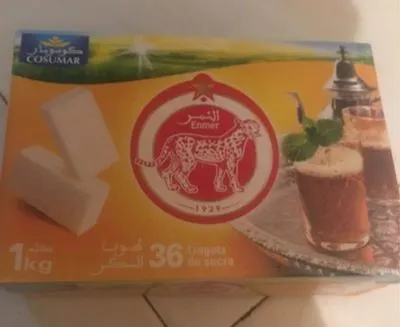
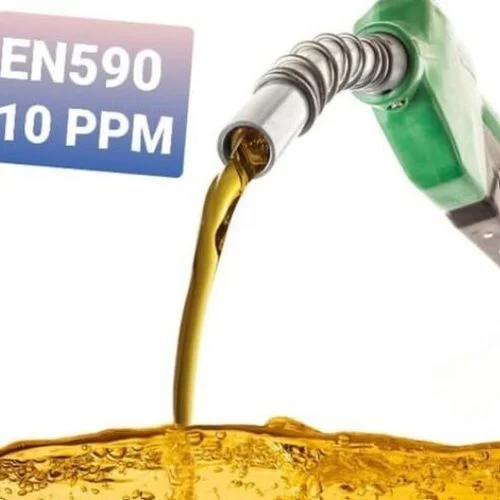
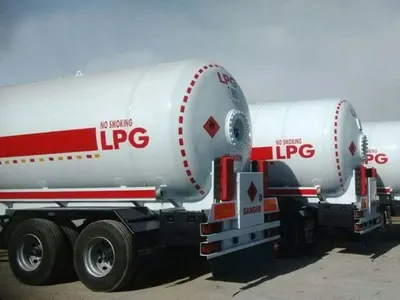
Prime Energy Llc is based in Ukraine and currently lists 18 distinct products in its catalogue. The portfolio covers a breadth of petroleum by‑products, including various grades of crude oil, diesel, gasoline, aviation kerosene, LPG, LNG, and coke, as well as related chemicals such as urea, sulphur and refined cane sugar. The listed items are identified by their conventional trade names such as Russia Virgin Fuel Oil D6, Gasolene 89 Octanes, Ultra Low Sulfur Diesel Fuel EN590 and refined cane sugar ICUMSA‑45. The catalogue groups products under the HS‑code chapters 27 (Petroleum and related products) and 31 (Fertilizers) where applicable. No additional product categories beyond those enumerated are indicated.
The supplier’s active product count of 18 includes both fuel grades and ancillary petro‑chemical commodities. Fuel items span light cycle oil, base oil, mazut M100, and the Russian Export Blend Crude Oil GOST 51, while the chemical side lists urea 46 % prilled & granular and granular sulphur. The inclusion of LPG, liquidified natural gas and aviation kerosene reflects typical downstream offerings for bulk energy traders. The catalogue does not specify certifications or capacity figures, limiting the description to the product names and standard industry classifications.
Product Range and Specialties of Prime Energy Llc
The catalogue lists specific products such as Russia Virgin Fuel Oil D6 (heavy fuel oil with viscosity around 180 mm²/s at 50 °C), Gasolene 89 Octanes (regular gasoline meeting ASTM D4814 octane rating), Ultra Low Sulfur Diesel EN590 (sulphur ≤10 ppm, cetane number ≥51) and Aviation Kerosene Colonial Grade A1 (ASTM D1655 jet fuel specifications). Additional items include LPG (propane‑butane mix typically 45 % propane, 55 % butane), liquidified natural gas (LNG) with methane purity >95 %, petroleum coke (ash content usually 10‑15 %), urea 46 % (N content 46 % by weight) and granular sulphur (purity ≥99.5 %). Refined cane sugar ICUMSA‑45 indicates a sucrose purity of 45 % on the ICUMSA scale, a common export grade for bulk sugar shipments.
Industry standards for these categories commonly reference API specifications for fuel oils (e.g., API 2 for diesel), ASTM D1655 for jet fuel, ISO 9001 for quality management and ISO 14001 for environmental compliance. Fertilizer grades such as urea are often certified to the FAO/UN Urea standard, while sulphur shipments may be verified against ISO 9002 for bulk chemicals. Buyers typically expect material safety data sheets (MSDS) for chemicals and a Certificate of Analysis (CoA) that confirms parameters such as sulphur content, moisture, and ash levels.
Frequently Asked Questions About Prime Energy Llc
What specifications apply to the Ultra Low Sulfur Diesel listed by Prime Energy Llc?
The diesel conforms to the EN590 standard, which limits sulphur to 10 ppm, requires a cetane number of at least 51 and sets specific limits for density, viscosity and flash point. Buyers should request an API 2 CoA and an SGS test report confirming these parameters.
Does Prime Energy Llc provide documentation for its LPG product?
LPG shipments are normally accompanied by a Certificate of Analysis, an MSDS and a Certificate of Origin. The CoA will list the propane‑butane ratio, heating value (typically 45‑50 MJ/kg) and sulphur content (usually below 0.01 %).
What grade of refined cane sugar is offered and how is it measured?
The supplier lists refined cane sugar ICUMSA‑45, which indicates a sucrose purity of 45 % on the International Commission for Uniform Methods of Sugar Analysis scale. An ICUMSA laboratory report will detail colour, ash and moisture percentages.
Are there standard certifications buyers should request for the urea product?
Typical certifications include an FAO‑Urea specification sheet, an SGS inspection report and a Certificate of Analysis showing 46 % nitrogen content, moisture below 0.5 % and particle size distribution for the prilled or granular form.
What HS codes correspond to the petroleum coke and sulphur items?
Petroleum coke is generally classified under HS 2709 10, while granular sulphur falls under HS 2503 90. Buyers should verify the exact sub‑heading on the commercial invoice to ensure correct customs treatment.
 Ukraine
Related Suppliers & Products
Explore similar suppliers, related products and trending categories