Pipes And Cabless — Verified Supplier

About Pipes And Cabless - Pipe & Fitting Supplier in India

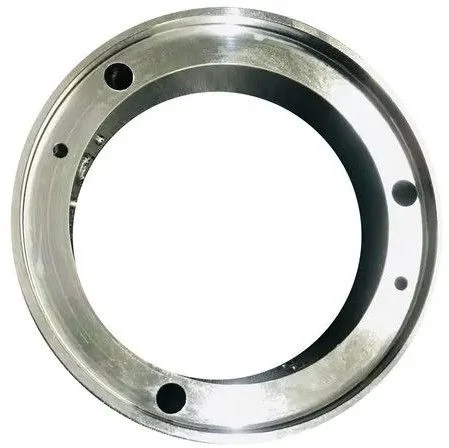
Based in India, Pipes And Cabless lists 15 active products across polymer pipe and fitting categories. The catalogue includes PVC, uPVC, CPVC, PPR, HDPE, DWC and specialty fire‑safety CPVC systems, each recorded under HS chapter 39 (e.g., 3917.21, 3917.23, 3917.40, 3917.39, 3917.29) and material specifications such as unplasticized polyvinyl chloride, chlorinated PVC, polypropylene random copolymer and high‑density polyethylene. In addition, the supplier mentions flanges and electric modular switches as top categories, though detailed HS codes are not supplied for those items. All product entries specify the polymer grade or compound used, providing a clear technical baseline for buyers. The supplier’s active product count of 15 reflects a focused portfolio that covers both standard water distribution pipes and niche applications such as borewell casings, rain‑water gutter systems and cable duct hoses. Each entry includes the relevant HS code and material description, allowing importers to match customs documentation and material compliance requirements without relying on generic listings. This factual snapshot supports buyers needing precise product identification for customs clearance and quality verification.

Product Range and Specialties of Pipes And Cabless

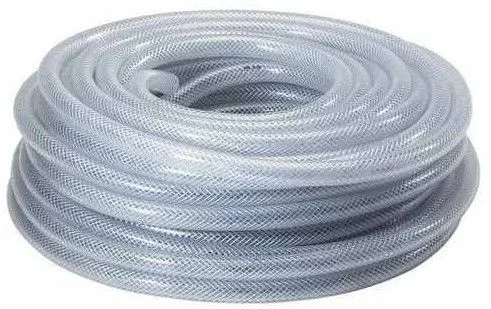
The catalogue presents a variety of polymer pipe systems: PVC pipe & fittings (HS 3917.40, grey uPVC), CPVC pipe & fittings (HS 3917.23, CPVC compound), UPVC ASTM pipe (HS 3917.23, UPVC Grade 1 PVC 1120), PPR pipe & fittings (HS 3917.23, PP‑R Type 3), HDPE pipe & fittings (HS 3917.21, PE 63/80/100), DWC pipe & fittings (HS 3917.39, HDPE/PP blend), and specialty items such as flame‑guard CPVC fire‑safety systems, SWR uPVC pipes, borewell casings (PVC or mild steel) and rain‑water roof gutter systems (HS 3917.29). Industry practice for these products includes standard pressure ratings (PN 6‑16 for PVC, PN 10‑25 for HDPE), compliance with ISO 1452 for PVC, ISO 4427 for HDPE, and ASTM D1785 for CPVC. Typical dimensions range from DN 20 mm up to DN 1200 mm, with wall thicknesses defined by SDR or pressure class. Buyers commonly request certifications such as ISO 9001 quality management, ISO 14001 environmental, and CE marking for EU markets, as well as test reports for hydrostatic pressure, dimensional tolerance (±0.5 % of nominal), and chemical resistance. Polymer pipe manufacturers often provide material safety data sheets (MSDS) and batch‑wise traceability certificates. Although Pipes And Cabless does not list specific certifications, the product descriptions align with the specifications that international buyers typically evaluate.

Trade and Export Information - Pipes And Cabless

India is a major exporter of polymer pipe systems, supplying construction, irrigation and infrastructure projects in the Middle East, Africa, Southeast Asia and Latin America. HS chapter 39 codes (3917.xx) are routinely inspected by customs authorities for correct material declaration, weight and packaging compliance. Export shipments are usually packed in wooden pallets, shrink‑wrapped bundles, or bulk rolls for hoses, and loaded into 20‑ft or 40‑ft containers; a 20‑ft container can hold approximately 1 000 kg of HDPE pipe bundles, while a 40‑ft container may accommodate up to 2 200 kg of mixed PVC/HDPE items. Importers often require pre‑shipment inspection reports (e.g., SGS, Bureau Veritas) and certificates of conformity to standards such as ISO 9001, ISO 14001 or regional CE/UL marks. Typical Incoterms used by Indian pipe exporters are FOB (Port of Mumbai or Chennai) and CIF for destination ports in Africa and the Gulf region. Buyers should also verify that the exported goods meet local building codes, for example the Indian Standard IS 1239 for PVC pipes or the Saudi Arabian SASO standards for imported polymer piping.

Sourcing from Pipes And Cabless - Buyer Guidance

When sourcing from Pipes And Cabless, request the product data sheet that lists the exact polymer grade, pressure rating (PN), dimension tolerances and recommended installation temperature range. Ask for an independent test report covering hydrostatic pressure at the specified PN, impact resistance and chemical resistance, as these are standard acceptance criteria for PVC, CPVC and HDPE piping. Confirm that the supplier can provide batch‑level certification such as ISO 9001 or a third‑party conformity certificate; absence of these documents should be clarified before order confirmation. Verify packaging details - whether pipes are bundled, palletized or shipped as bulk rolls - and ensure that the chosen Incoterm aligns with your logistics plan. Request a sample of the material (e.g., a 2‑meter pipe section) if possible, to perform in‑house dimensional and pressure testing before committing to full container volumes.

Frequently Asked Questions About Pipes And Cabless

What polymer materials are offered by Pipes And Cabless for pipe and fitting products?

The catalogue includes unplasticized PVC (uPVC/UPVC), chlorinated PVC (CPVC), polypropylene random copolymer (PPR), high‑density polyethylene (HDPE) and blends of HDPE/PP. Each material is identified with its standard grade, such as PE 63, PE 80, PE 100 for HDPE, or CPVC compound for fire‑safety systems.

Which HS codes correspond to the PVC and HDPE pipe products?

PVC pipe & fittings are listed under HS 3917.40, while HDPE pipe & fittings fall under HS 3917.21. Additional polymer pipe variants such as CPVC, PPR and DWC are recorded under HS 3917.23, and specialty items like rain‑water gutter systems use HS 3917.29.

What pressure ratings are typical for the PVC and HDPE pipes in the catalogue?

Indian PVC pipe manufacturers usually supply products rated PN 6 to PN 16, whereas HDPE pipes are commonly offered at PN 10, PN 16 or PN 25, corresponding to the pipe’s wall thickness and SDR class. Buyers should verify the exact PN rating on the supplier’s data sheet.

Are certifications such as ISO 9001 or CE required for these polymer pipes?

While the supplier’s facts do not list specific certifications, international buyers typically request ISO 9001 quality‑management certification and, for EU destinations, CE conformity. It is advisable to ask the supplier to provide copies of any relevant certificates before placing an order.

How are the pipes and hoses packaged for international shipment?

Polymer pipes are generally bundled in wooden pallets, shrink‑wrapped, and loaded into 20‑ft or 40‑ft containers. Hoses and flexible PVC items may be packed in bulk rolls or cartons, also palletized for stability during transit.

What documentation should a buyer request before importing these products?

Buyers should obtain a commercial invoice, packing list, material safety data sheet (MSDS), test reports for hydrostatic pressure and dimensional tolerance, and any third‑party inspection certificates. Including the HS code and country of origin on all customs documents is mandatory for smooth clearance.

What are the typical lead times for orders of PVC or HDPE pipe systems from India?

Lead times for polymer pipe orders from Indian manufacturers generally range from 30 to 60 days, depending on product specifications, order volume and any required pre‑shipment inspections. Larger container loads or custom‑grade pipes may extend the timeline.

Can I obtain sample pipe sections before placing a full order?

Suppliers of polymer piping often provide short pipe sections (e.g., 2 m) as samples for dimensional and pressure testing. Requesting a sample allows verification of material grade, wall thickness and compliance with standards prior to committing to a container shipment.


Featured Products from this Supplier

Other Suppliers in Primary Category

Top Trusted Suppliers

Related Products

Trending in Parent Category

More Suppliers in Category

Related Products

Other Suppliers

EximNext
58.5K+ live requirements
Register Free🎁 Reach verified global buyers
Post Requirement
🌍 Trusted by 224.6K+ businesses in 200+ countries|
58.5K+ active requirements right now
✉️ [email protected]
|
Sell on EximNextPost Requirement
EximNext
AgricultureApparelConstructionElectronicFoodHomeIndustrialMineralsMiscellaneous
🔥 Deals|✨ AI Match|🏭 Suppliers|📋 Buy Leads|💰 Trade Finance
58.5K+ live RFQs·194.6K+ suppliers
🎁 Reach global buyers →
EximNext
EximNext
Register Free
🎁 Reach verified global buyers
Sign In
📋Post Requirement💬Get QuotesAI Match📋RFQ Marketplace
All Categories
Services & Tools
🏭Supplier Directory🔥Today's Deals💰Trade Finance
Sell on EximNext
AboutContactBlogHelp
🏭

Pipes And Cabless

Harbor
Country flag , India
🛡️
55/100
Trust Score

Pipes And Cabless Product Catalog

Showing 12 of 15 products
View all products →
PVC Pipe & Fittings
Harbor
PVC Pipe & Fittings
Contact
MOQ: 1 Unit
CPVC Pipe & Fittings
Harbor
CPVC Pipe & Fittings
Contact
MOQ: 1 Unit
UPVC ASTM Pipe & Fittings
Harbor
UPVC ASTM Pipe & Fittings
Contact
MOQ: 1 Unit
PPR Pipes And Fittings
Harbor
PPR Pipes And Fittings
Contact
MOQ: 1 Unit
Flameguard CPVC Sytem For Fire Safety
Harbor
Flameguard CPVC Sytem For Fire Safety
Contact
MOQ: 1 Unit
SWR Pipe & Fittings
Harbor
SWR Pipe & Fittings
Contact
MOQ: 1 Unit
HDPE Pipes & Fittings
Harbor
HDPE Pipes & Fittings
Contact
MOQ: 1 Unit
DWC Pipes And Fittings
Harbor
DWC Pipes And Fittings
Contact
MOQ: 1 Unit
Cable Duct Pipe / Hose
Harbor
Cable Duct Pipe / Hose
Contact
MOQ: 1 Unit
Borewell Casing Pipe
Harbor
Borewell Casing Pipe
Contact
MOQ: 1 Unit
UPVC Column Pipes
Harbor
UPVC Column Pipes
Contact
MOQ: 1 Unit
Rain Water Roof Gutter System
Harbor
Rain Water Roof Gutter System
Contact
MOQ: 1 Unit

About Pipes And Cabless - Pipe & Fitting Supplier in India

Based in India, Pipes And Cabless lists 15 active products across polymer pipe and fitting categories. The catalogue includes PVC, uPVC, CPVC, PPR, HDPE, DWC and specialty fire‑safety CPVC systems, each recorded under HS chapter 39 (e.g., 3917.21, 3917.23, 3917.40, 3917.39, 3917.29) and material specifications such as unplasticized polyvinyl chloride, chlorinated PVC, polypropylene random copolymer and high‑density polyethylene. In addition, the supplier mentions flanges and electric modular switches as top categories, though detailed HS codes are not supplied for those items. All product entries specify the polymer grade or compound used, providing a clear technical baseline for buyers. The supplier’s active product count of 15 reflects a focused portfolio that covers both standard water distribution pipes and niche applications such as borewell casings, rain‑water gutter systems and cable duct hoses. Each entry includes the relevant HS code and material description, allowing importers to match customs documentation and material compliance requirements without relying on generic listings. This factual snapshot supports buyers needing precise product identification for customs clearance and quality verification.

Product Range and Specialties of Pipes And Cabless

The catalogue presents a variety of polymer pipe systems: PVC pipe & fittings (HS 3917.40, grey uPVC), CPVC pipe & fittings (HS 3917.23, CPVC compound), UPVC ASTM pipe (HS 3917.23, UPVC Grade 1 PVC 1120), PPR pipe & fittings (HS 3917.23, PP‑R Type 3), HDPE pipe & fittings (HS 3917.21, PE 63/80/100), DWC pipe & fittings (HS 3917.39, HDPE/PP blend), and specialty items such as flame‑guard CPVC fire‑safety systems, SWR uPVC pipes, borewell casings (PVC or mild steel) and rain‑water roof gutter systems (HS 3917.29). Industry practice for these products includes standard pressure ratings (PN 6‑16 for PVC, PN 10‑25 for HDPE), compliance with ISO 1452 for PVC, ISO 4427 for HDPE, and ASTM D1785 for CPVC. Typical dimensions range from DN 20 mm up to DN 1200 mm, with wall thicknesses defined by SDR or pressure class. Buyers commonly request certifications such as ISO 9001 quality management, ISO 14001 environmental, and CE marking for EU markets, as well as test reports for hydrostatic pressure, dimensional tolerance (±0.5 % of nominal), and chemical resistance. Polymer pipe manufacturers often provide material safety data sheets (MSDS) and batch‑wise traceability certificates. Although Pipes And Cabless does not list specific certifications, the product descriptions align with the specifications that international buyers typically evaluate.

Trade and Export Information - Pipes And Cabless

India is a major exporter of polymer pipe systems, supplying construction, irrigation and infrastructure projects in the Middle East, Africa, Southeast Asia and Latin America. HS chapter 39 codes (3917.xx) are routinely inspected by customs authorities for correct material declaration, weight and packaging compliance. Export shipments are usually packed in wooden pallets, shrink‑wrapped bundles, or bulk rolls for hoses, and loaded into 20‑ft or 40‑ft containers; a 20‑ft container can hold approximately 1 000 kg of HDPE pipe bundles, while a 40‑ft container may accommodate up to 2 200 kg of mixed PVC/HDPE items. Importers often require pre‑shipment inspection reports (e.g., SGS, Bureau Veritas) and certificates of conformity to standards such as ISO 9001, ISO 14001 or regional CE/UL marks. Typical Incoterms used by Indian pipe exporters are FOB (Port of Mumbai or Chennai) and CIF for destination ports in Africa and the Gulf region. Buyers should also verify that the exported goods meet local building codes, for example the Indian Standard IS 1239 for PVC pipes or the Saudi Arabian SASO standards for imported polymer piping.

Sourcing from Pipes And Cabless - Buyer Guidance

When sourcing from Pipes And Cabless, request the product data sheet that lists the exact polymer grade, pressure rating (PN), dimension tolerances and recommended installation temperature range. Ask for an independent test report covering hydrostatic pressure at the specified PN, impact resistance and chemical resistance, as these are standard acceptance criteria for PVC, CPVC and HDPE piping. Confirm that the supplier can provide batch‑level certification such as ISO 9001 or a third‑party conformity certificate; absence of these documents should be clarified before order confirmation. Verify packaging details - whether pipes are bundled, palletized or shipped as bulk rolls - and ensure that the chosen Incoterm aligns with your logistics plan. Request a sample of the material (e.g., a 2‑meter pipe section) if possible, to perform in‑house dimensional and pressure testing before committing to full container volumes.

Frequently Asked Questions About Pipes And Cabless

What polymer materials are offered by Pipes And Cabless for pipe and fitting products?

The catalogue includes unplasticized PVC (uPVC/UPVC), chlorinated PVC (CPVC), polypropylene random copolymer (PPR), high‑density polyethylene (HDPE) and blends of HDPE/PP. Each material is identified with its standard grade, such as PE 63, PE 80, PE 100 for HDPE, or CPVC compound for fire‑safety systems.

Which HS codes correspond to the PVC and HDPE pipe products?

PVC pipe & fittings are listed under HS 3917.40, while HDPE pipe & fittings fall under HS 3917.21. Additional polymer pipe variants such as CPVC, PPR and DWC are recorded under HS 3917.23, and specialty items like rain‑water gutter systems use HS 3917.29.

What pressure ratings are typical for the PVC and HDPE pipes in the catalogue?

Indian PVC pipe manufacturers usually supply products rated PN 6 to PN 16, whereas HDPE pipes are commonly offered at PN 10, PN 16 or PN 25, corresponding to the pipe’s wall thickness and SDR class. Buyers should verify the exact PN rating on the supplier’s data sheet.

Are certifications such as ISO 9001 or CE required for these polymer pipes?

While the supplier’s facts do not list specific certifications, international buyers typically request ISO 9001 quality‑management certification and, for EU destinations, CE conformity. It is advisable to ask the supplier to provide copies of any relevant certificates before placing an order.

How are the pipes and hoses packaged for international shipment?

Polymer pipes are generally bundled in wooden pallets, shrink‑wrapped, and loaded into 20‑ft or 40‑ft containers. Hoses and flexible PVC items may be packed in bulk rolls or cartons, also palletized for stability during transit.

What documentation should a buyer request before importing these products?

Buyers should obtain a commercial invoice, packing list, material safety data sheet (MSDS), test reports for hydrostatic pressure and dimensional tolerance, and any third‑party inspection certificates. Including the HS code and country of origin on all customs documents is mandatory for smooth clearance.

What are the typical lead times for orders of PVC or HDPE pipe systems from India?

Lead times for polymer pipe orders from Indian manufacturers generally range from 30 to 60 days, depending on product specifications, order volume and any required pre‑shipment inspections. Larger container loads or custom‑grade pipes may extend the timeline.

Can I obtain sample pipe sections before placing a full order?

Suppliers of polymer piping often provide short pipe sections (e.g., 2 m) as samples for dimensional and pressure testing. Requesting a sample allows verification of material grade, wall thickness and compliance with standards prior to committing to a container shipment.

About Pipes And Cabless - Pipe & Fitting Supplier in India

Based in India, Pipes And Cabless lists 15 active products across polymer pipe and fitting categories. The catalogue includes PVC, uPVC, CPVC, PPR, HDPE, DWC and specialty fire‑safety CPVC systems, each recorded under HS chapter 39 (e.g., 3917.21, 3917.23, 3917.40, 3917.39, 3917.29) and material specifications such as unplasticized polyvinyl chloride, chlorinated PVC, polypropylene random copolymer and high‑density polyethylene. In addition, the supplier mentions flanges and electric modular switches as top categories, though detailed HS codes are not supplied for those items. All product entries specify the polymer grade or compound used, providing a clear technical baseline for buyers. The supplier’s active product count of 15 reflects a focused portfolio that covers both standard water distribution pipes and niche applications such as borewell casings, rain‑water gutter systems and cable duct hoses. Each entry includes the relevant HS code and material description, allowing importers to match customs documentation and material compliance requirements without relying on generic listings. This factual snapshot supports buyers needing precise product identification for customs clearance and quality verification.

Product Range and Specialties of Pipes And Cabless

The catalogue presents a variety of polymer pipe systems: PVC pipe & fittings (HS 3917.40, grey uPVC), CPVC pipe & fittings (HS 3917.23, CPVC compound), UPVC ASTM pipe (HS 3917.23, UPVC Grade 1 PVC 1120), PPR pipe & fittings (HS 3917.23, PP‑R Type 3), HDPE pipe & fittings (HS 3917.21, PE 63/80/100), DWC pipe & fittings (HS 3917.39, HDPE/PP blend), and specialty items such as flame‑guard CPVC fire‑safety systems, SWR uPVC pipes, borewell casings (PVC or mild steel) and rain‑water roof gutter systems (HS 3917.29). Industry practice for these products includes standard pressure ratings (PN 6‑16 for PVC, PN 10‑25 for HDPE), compliance with ISO 1452 for PVC, ISO 4427 for HDPE, and ASTM D1785 for CPVC. Typical dimensions range from DN 20 mm up to DN 1200 mm, with wall thicknesses defined by SDR or pressure class. Buyers commonly request certifications such as ISO 9001 quality management, ISO 14001 environmental, and CE marking for EU markets, as well as test reports for hydrostatic pressure, dimensional tolerance (±0.5 % of nominal), and chemical resistance. Polymer pipe manufacturers often provide material safety data sheets (MSDS) and batch‑wise traceability certificates. Although Pipes And Cabless does not list specific certifications, the product descriptions align with the specifications that international buyers typically evaluate.

Trade and Export Information - Pipes And Cabless

India is a major exporter of polymer pipe systems, supplying construction, irrigation and infrastructure projects in the Middle East, Africa, Southeast Asia and Latin America. HS chapter 39 codes (3917.xx) are routinely inspected by customs authorities for correct material declaration, weight and packaging compliance. Export shipments are usually packed in wooden pallets, shrink‑wrapped bundles, or bulk rolls for hoses, and loaded into 20‑ft or 40‑ft containers; a 20‑ft container can hold approximately 1 000 kg of HDPE pipe bundles, while a 40‑ft container may accommodate up to 2 200 kg of mixed PVC/HDPE items. Importers often require pre‑shipment inspection reports (e.g., SGS, Bureau Veritas) and certificates of conformity to standards such as ISO 9001, ISO 14001 or regional CE/UL marks. Typical Incoterms used by Indian pipe exporters are FOB (Port of Mumbai or Chennai) and CIF for destination ports in Africa and the Gulf region. Buyers should also verify that the exported goods meet local building codes, for example the Indian Standard IS 1239 for PVC pipes or the Saudi Arabian SASO standards for imported polymer piping.

Sourcing from Pipes And Cabless - Buyer Guidance

When sourcing from Pipes And Cabless, request the product data sheet that lists the exact polymer grade, pressure rating (PN), dimension tolerances and recommended installation temperature range. Ask for an independent test report covering hydrostatic pressure at the specified PN, impact resistance and chemical resistance, as these are standard acceptance criteria for PVC, CPVC and HDPE piping. Confirm that the supplier can provide batch‑level certification such as ISO 9001 or a third‑party conformity certificate; absence of these documents should be clarified before order confirmation. Verify packaging details - whether pipes are bundled, palletized or shipped as bulk rolls - and ensure that the chosen Incoterm aligns with your logistics plan. Request a sample of the material (e.g., a 2‑meter pipe section) if possible, to perform in‑house dimensional and pressure testing before committing to full container volumes.

Frequently Asked Questions About Pipes And Cabless
What polymer materials are offered by Pipes And Cabless for pipe and fitting products?
The catalogue includes unplasticized PVC (uPVC/UPVC), chlorinated PVC (CPVC), polypropylene random copolymer (PPR), high‑density polyethylene (HDPE) and blends of HDPE/PP. Each material is identified with its standard grade, such as PE 63, PE 80, PE 100 for HDPE, or CPVC compound for fire‑safety systems.
Which HS codes correspond to the PVC and HDPE pipe products?
PVC pipe & fittings are listed under HS 3917.40, while HDPE pipe & fittings fall under HS 3917.21. Additional polymer pipe variants such as CPVC, PPR and DWC are recorded under HS 3917.23, and specialty items like rain‑water gutter systems use HS 3917.29.
What pressure ratings are typical for the PVC and HDPE pipes in the catalogue?
Indian PVC pipe manufacturers usually supply products rated PN 6 to PN 16, whereas HDPE pipes are commonly offered at PN 10, PN 16 or PN 25, corresponding to the pipe’s wall thickness and SDR class. Buyers should verify the exact PN rating on the supplier’s data sheet.
Are certifications such as ISO 9001 or CE required for these polymer pipes?
While the supplier’s facts do not list specific certifications, international buyers typically request ISO 9001 quality‑management certification and, for EU destinations, CE conformity. It is advisable to ask the supplier to provide copies of any relevant certificates before placing an order.
How are the pipes and hoses packaged for international shipment?
Polymer pipes are generally bundled in wooden pallets, shrink‑wrapped, and loaded into 20‑ft or 40‑ft containers. Hoses and flexible PVC items may be packed in bulk rolls or cartons, also palletized for stability during transit.
What documentation should a buyer request before importing these products?
Buyers should obtain a commercial invoice, packing list, material safety data sheet (MSDS), test reports for hydrostatic pressure and dimensional tolerance, and any third‑party inspection certificates. Including the HS code and country of origin on all customs documents is mandatory for smooth clearance.
What are the typical lead times for orders of PVC or HDPE pipe systems from India?
Lead times for polymer pipe orders from Indian manufacturers generally range from 30 to 60 days, depending on product specifications, order volume and any required pre‑shipment inspections. Larger container loads or custom‑grade pipes may extend the timeline.
Can I obtain sample pipe sections before placing a full order?
Suppliers of polymer piping often provide short pipe sections (e.g., 2 m) as samples for dimensional and pressure testing. Requesting a sample allows verification of material grade, wall thickness and compliance with standards prior to committing to a container shipment.

🏭
Pipes And Cabless
Country flag , India
Harbor
55/100
Trust Score
📦
15
Products
Free to contact — no commission
Escrow payment available
Verified business identity
Compare more suppliers
Post a requirement — get 10 quotes free
Let verified suppliers compete for your business. Free, fast, no commitment.
EximNext Verified Supplier
Business identity verified
Physical address confirmed
Financial history checked
Certifications authenticated
Trade references validated
Due Diligence
Verify this supplier's real shipping history.
Every shipment, every buyer, every port. Trade data that can't be faked.
Run due diligence →
Discover More

Related Suppliers & Products

Explore similar suppliers, related products and trending categories

Featured Products from this Supplier

Other Suppliers in Primary Category

Top Trusted Suppliers

Related Products

Trending in Parent Category

More Suppliers in Category

Stay ahead in global trade
Weekly market insights & new supplier alerts.
EximNext
Exim Next is a leading global B2B marketplace, connecting over 205,000 verified suppliers and buyers across 200+ countries. As a trusted import export marketplace, it serves as the essential B2B portal for businesses worldwide, empowering them to expand their international reach. With Exim Next, businesses can trade smarter and grow faster.
SECURE PAYMENTS
VISAMastercardPayPalSWIFTL/CEscrow
Follow us
© 2026 EximNext